 Free shipping on orders over £29,85
  Shipping Tracking!


 Google
 Facebook
← Back to How do you colour polyester resin?
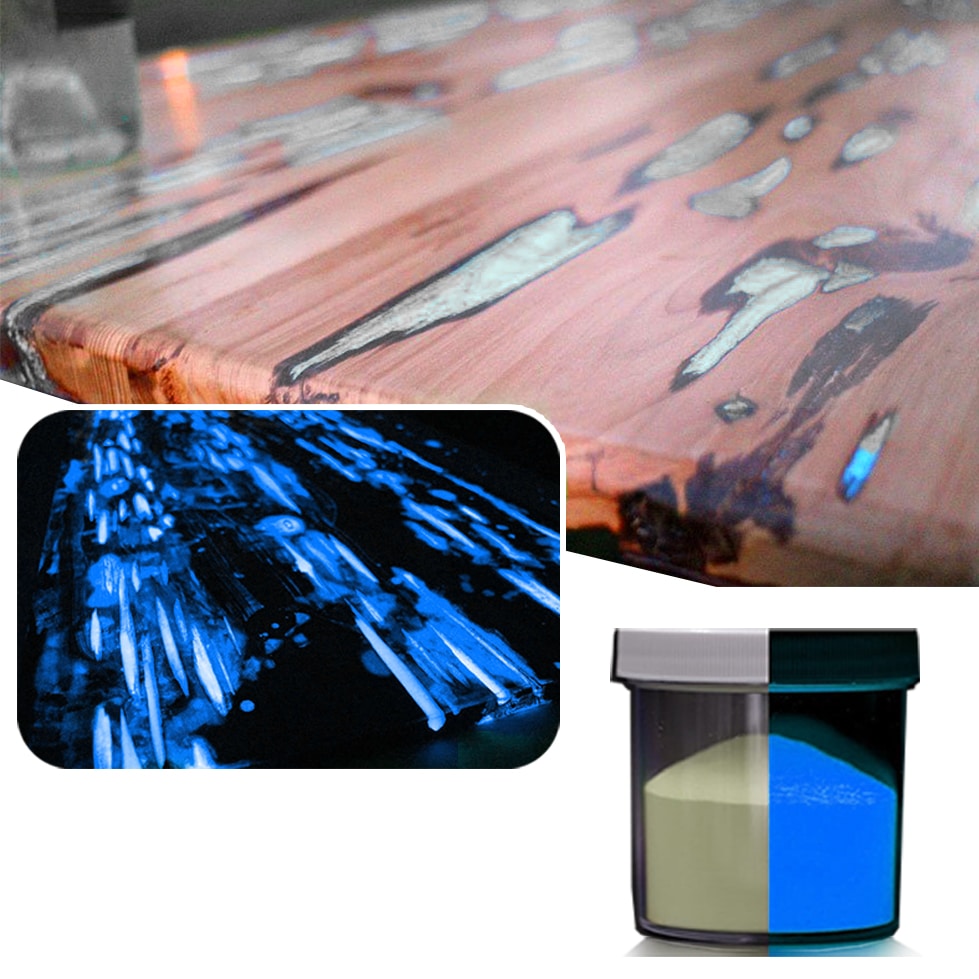
When colouring polyester resin, it’s important to understand how pigment levels can influence the curing process and final properties of your creation.
How Excess Pigment Affects Curing
Polyester resin relies on a precise chemical reaction to harden properly. Adding too much pigment can disrupt this reaction, leading to issues such as incomplete curing, tackiness, or a surface that never fully hardens. The resin may also lose its clarity or become overly soft, which impacts not just appearance but functional strength.
Recommended Pigment Ratios and Best Practices
To avoid problems, always use pigment according to the recommended ratios specified by either the pigment or resin manufacturer. Exceeding these guidelines increases the risk that the resin mixture will underperform. When using powder pigments, such as the “Iridron” Pearline Pigments, measure carefully and mix thoroughly to achieve an even, controlled colour without compromising the cure.
When This Matters Most
The risk of curing issues rises with intricate, thin-cast, or decorative resin work where looks and strength matter. If your project demands a clear, hard, and durable finish, staying within pigment recommendations is especially important.
Related products
Related guides
Paying attention to pigment amounts is key for successful, professional-looking coloured polyester resin. For more tips on creative colouring, explore our main guide on how to colour polyester resin.