 Free shipping on orders over £29,85
  Shipping Tracking!


 Google
 Facebook
← Back to What types of prints should be used for epoxy resin?
When embedding prints or artwork under epoxy resin, concerns around ink stability are common. Selecting the right print type and preparation methods ensures your finished piece stays vibrant and free from unwanted smudging or bleeding.
How Different Print Types Behave Under Resin
Printed materials such as photographs, artwork, or decals can react differently when coated with epoxy. Laser prints and pigment-based inks generally hold up well, while inkjet prints using dye-based inks are prone to bleeding if not properly sealed. Before using any printed material, test a small section if possible to see how it behaves.
Sealing Prints to Prevent Ink Bleeding
The key to ink stability is sealing. Most prints should be protected with several thin coats of a clear acrylic spray lacquer. Allow each layer to dry fully before applying the next. This barrier helps prevent the resin from interacting with the ink and causing blurs or runs. It is especially important when working with porous papers or uncoated inkjet prints.
Choosing the Right Resin for Clarity and Protection
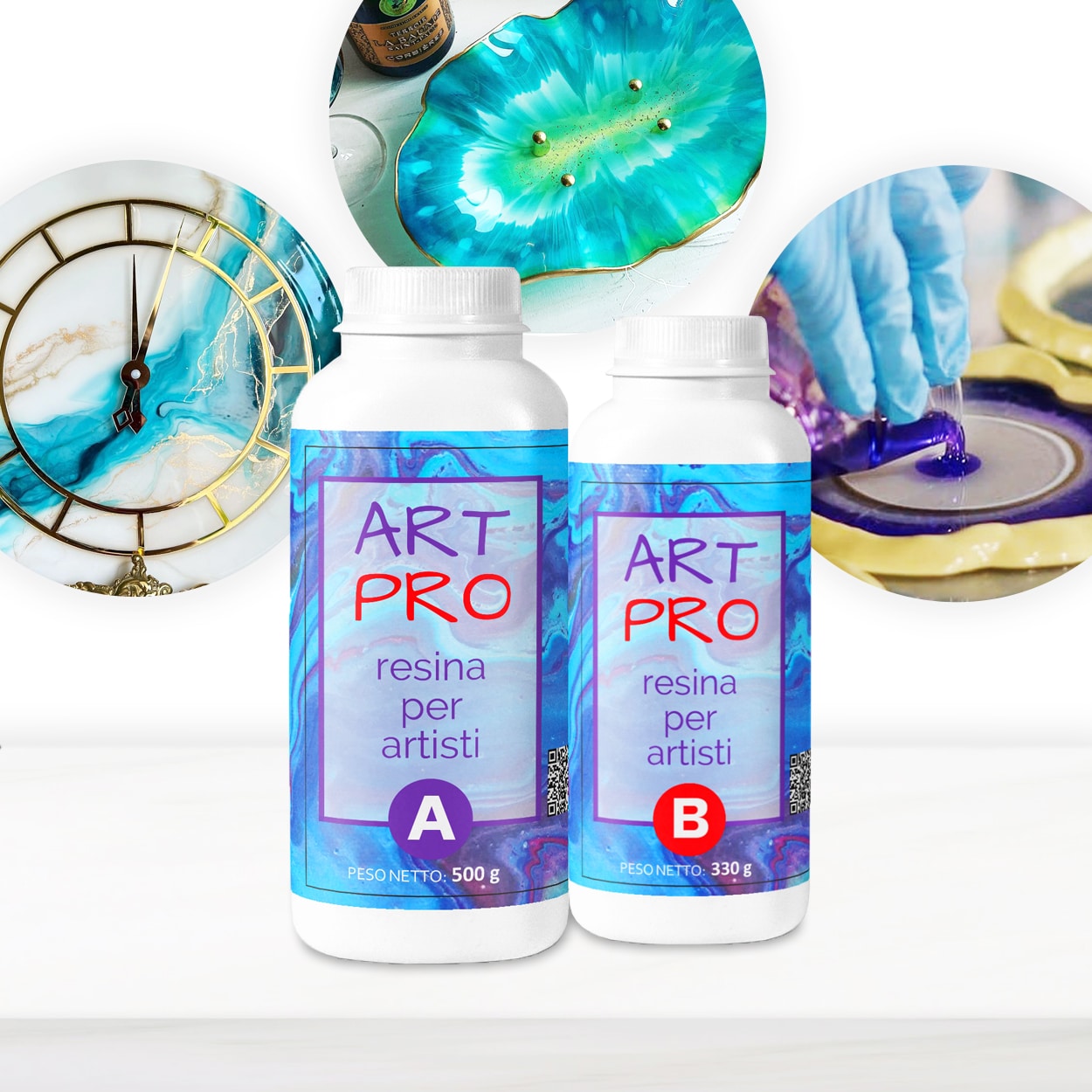
For optimal results, choose a resin formulated for art projects and transparent coatings, such as Art Pro. These products provide high clarity and UV resistance, essential for displaying prints accurately and helping to keep colours stable over time. Always follow the manufacturer’s directions for mixing and pouring to reduce the chance of disturbing underlying prints.
When Ink Stability Matters Most
- Creating keepsakes or gifts where longevity is key
- Using detailed photographs or fine line art
- Working on multi-layer projects where smudges could be hard to fix
Related products
Related guides
Prioritising ink stability preserves the quality of your creative work when using epoxy resin. For further advice on print compatibility and techniques, see our guide on what types of prints should be used for epoxy resin.