 Free shipping on orders over £29,85
  Shipping Tracking!


 Google
 Facebook
What types of prints should be used for epoxy resin?
Choose the right prints and resin for flawless embedded artwork

Embedding prints under epoxy resin can produce stunning effects and durable, glass-like surfaces, making it a popular technique across the art, craft, and decor world. However, the type of print you select plays a big role in how well it withstands the resin application. This guide will help you compare the most common print types and choose suitable epoxy resins for your project goals, whether you are crafting coasters, trays, jewellery, or bespoke wall art.
Print Types Under Epoxy Resin: Key Differences & Considerations
When working with epoxy resin, certain print types offer better visual clarity and durability. The two main issues to consider are:
- Ink stability: Standard inkjet prints, if not sealed, may bleed or blur under resin, while laser prints or professionally developed photographs are typically more stable.
- Paper or media quality: Thicker, coated, or water-resistant papers generally bond better with resin and reduce wrinkling or bubbles.
If using inkjet prints, sealing with several coats of clear acrylic lacquer is advised before pouring resin. For vibrant, long-lasting results, opt for laser-printed images, photo lab prints, or specialist waterproof media whenever possible. The choice of resin—whether prioritising odourless formulas, quick setting, or thick casting—also impacts your success.

Print Sealing and Prepping for Resin
Acrylic spray lacquer is highly recommended for sealing inkjet prints and delicate papers before embedding under resin. This step creates a waterproof barrier, preventing ink bleeding and ensuring crisp, vibrant artwork after resin curing. Always let the sealant dry fully between coats and prior to resin application.
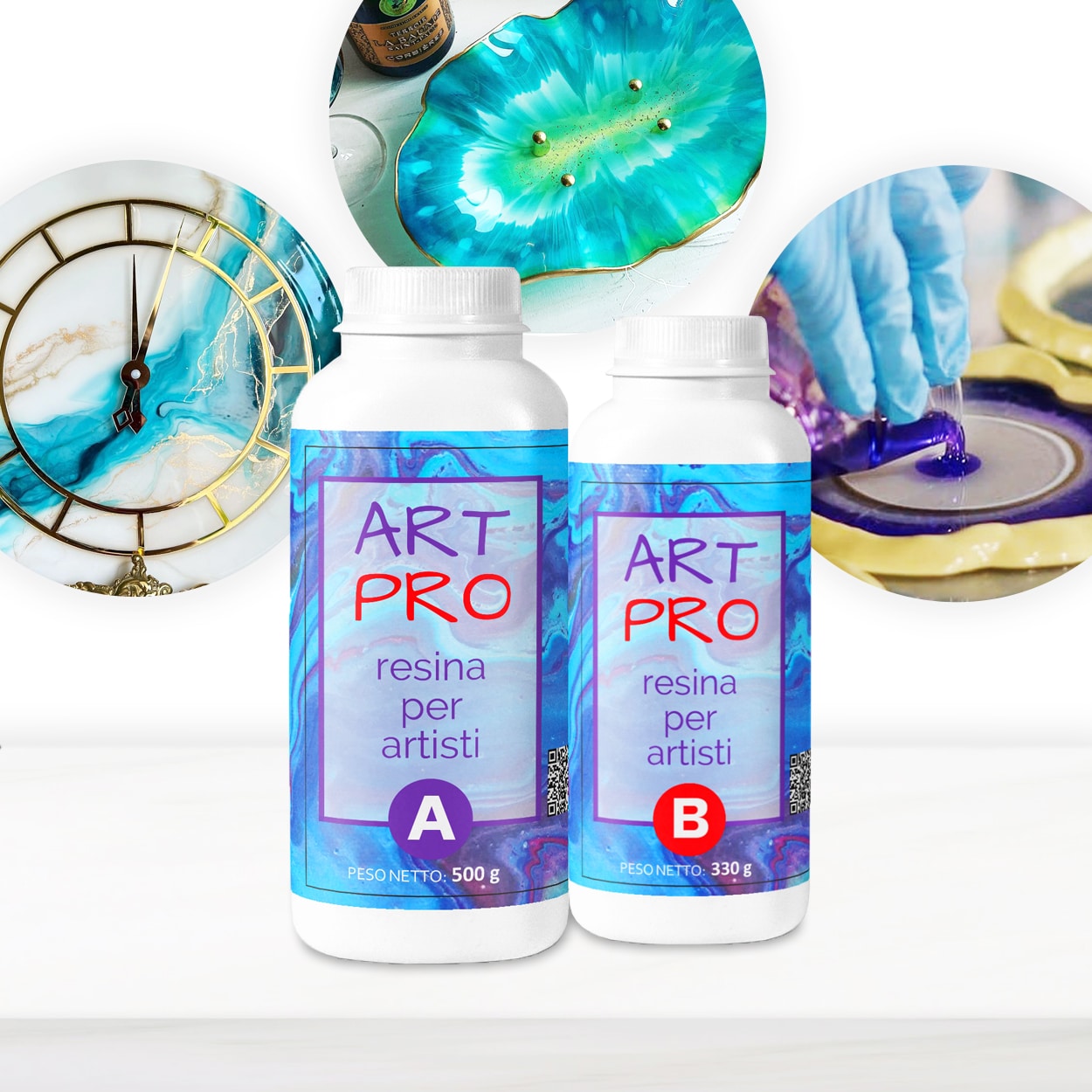
“Art Pro” – Clear Epoxy Resin for Artists and Surface Coating
Art Pro – Clear Epoxy Resin for Artists and Surface Coating delivers exceptional clarity and a durable, scratch-resistant surface finish, making it ideal for showcasing embedded prints. Designed with a dense, non-drip formula and an easy 3:2 mixing ratio, Art Pro ensures maximum transparency over your chosen artwork or photographs. Its UV protection helps preserve colour vibrancy and prevents yellowing, making it particularly suitable for art pieces, coasters, or decorative trays where appearance is crucial.
“Trasparente” – Multipurpose Clear Epoxy Resin for Casting – Up to 2cm
The “Trasparente” – Multipurpose Clear Epoxy Resin for Casting – Up to 2cm is recommended for casting projects where you intend to embed printed images, especially when layer thicknesses up to 2 cm are needed. Its ultra-clear formula provides a brilliant, glossy finish, while its high scratch resistance is perfect for larger pieces. Before embedding inkjet prints, seal them with multiple coats of acrylic lacquer to prevent ink movement. The integrated UV filter preserves both the resin and the colours in your prints, and this product is both Cruelty Free and Vegan Friendly.
“Icrystal” – Clear Epoxy Resin – Odourless Formula – Up to 1.5cm
“Icrystal” – Clear Epoxy Resin – Odourless Formula – Up to 1.5cm is suited for those seeking a crystal clear transparency with an odourless and VOC-free formula. This makes it a safe and convenient choice for indoor work, particularly when creating resin art, embedded photos, or bespoke pieces where clarity and safety are paramount. Self-levelling and with a high-gloss finish, it’s ideal for embedded prints, paintings, and fine art work—just ensure any inkjet prints are pre-sealed.
“One-2-One” – Epoxy Resin for Handcraft, 1:1 Mixing Ratio
Beginners and crafters will appreciate “One-2-One” – Epoxy Resin for Handcraft, 1:1 Mixing Ratio for its easy 1:1 equal-parts (by volume) mixing ratio. This resin provides a non-toxic formulation and crystal clear, super-glossy finish perfect for jewellery, cabochons, and small decorative items. The built-in UV filter helps maintain the true colours of embedded prints. Thanks to its easy mixing and excellent finish, it is a favourite for encapsulating photo paper, dried flowers, or memorable keepsakes that you wish to preserve in resin.
Tips for Choosing Prints and Surfaces for Epoxy Resin
Select prints that use permanent pigment-based inks or opt for laser-printed images over standard inkjet. Always ensure your media is dry and, if in doubt, seal it with a suitable spray lacquer before embedding. Avoid glossy magazine paper (unless well-sealed) as it may warp or repel resin. If using specialty photo paper or canvas, test with a small amount of resin first for compatibility.
Selecting the Right Resin for Your Print Project
Choose your resin based on print size and thickness. For thin paper prints and photos, Art Pro and One-2-One are excellent for clear, glossy coatings. For casting thicker objects or layered pieces, opt for Trasparente or Icrystal, matching the recommended pour thickness for bubble-free clarity.

- "Art Pro" – Clear Epoxy Resin for Artists and Surface CoatingPrice range: £31.15 through £388.85Art Pro clear epoxy resin is designed for artists and crafters for high-gloss, durable glass-like finishes on decorative surfaces.
 "Trasparente" – Multipurpose Clear Epoxy Resin for Casting – Up to 2cmPrice range: £8.45 through £948.85"Trasparente" is a clear multipurpose epoxy resin for casting layers up to 2 cm, suitable for detailed DIY projects and woodworking.
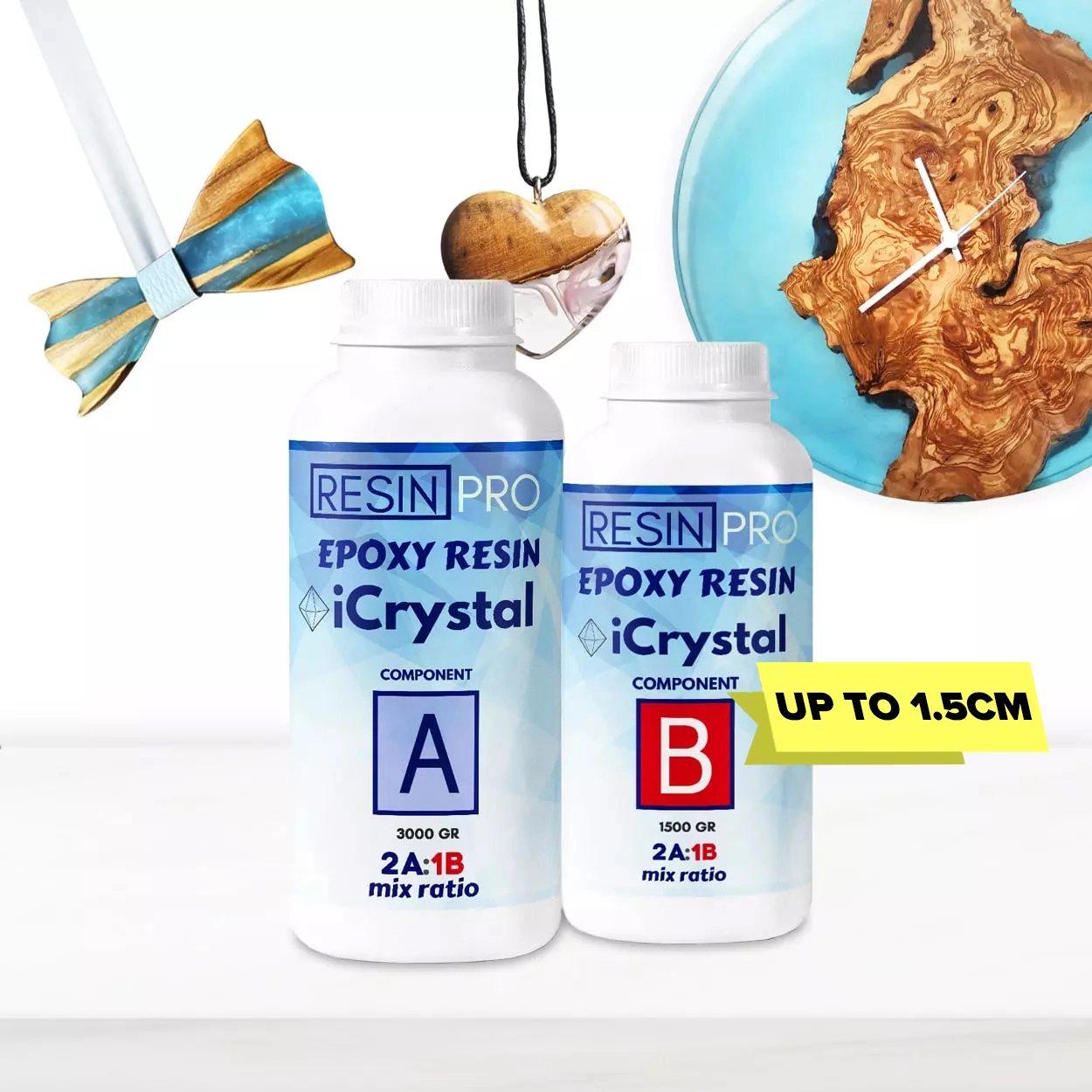 "Icrystal" – Clear Epoxy Resin – Odourless Formula – Up to 1.5cmPrice range: £11.65 through £954.85"Icrystal" is a transparent, odourless epoxy resin suitable for artistic and wood-working projects under the theme What types of prints should be…
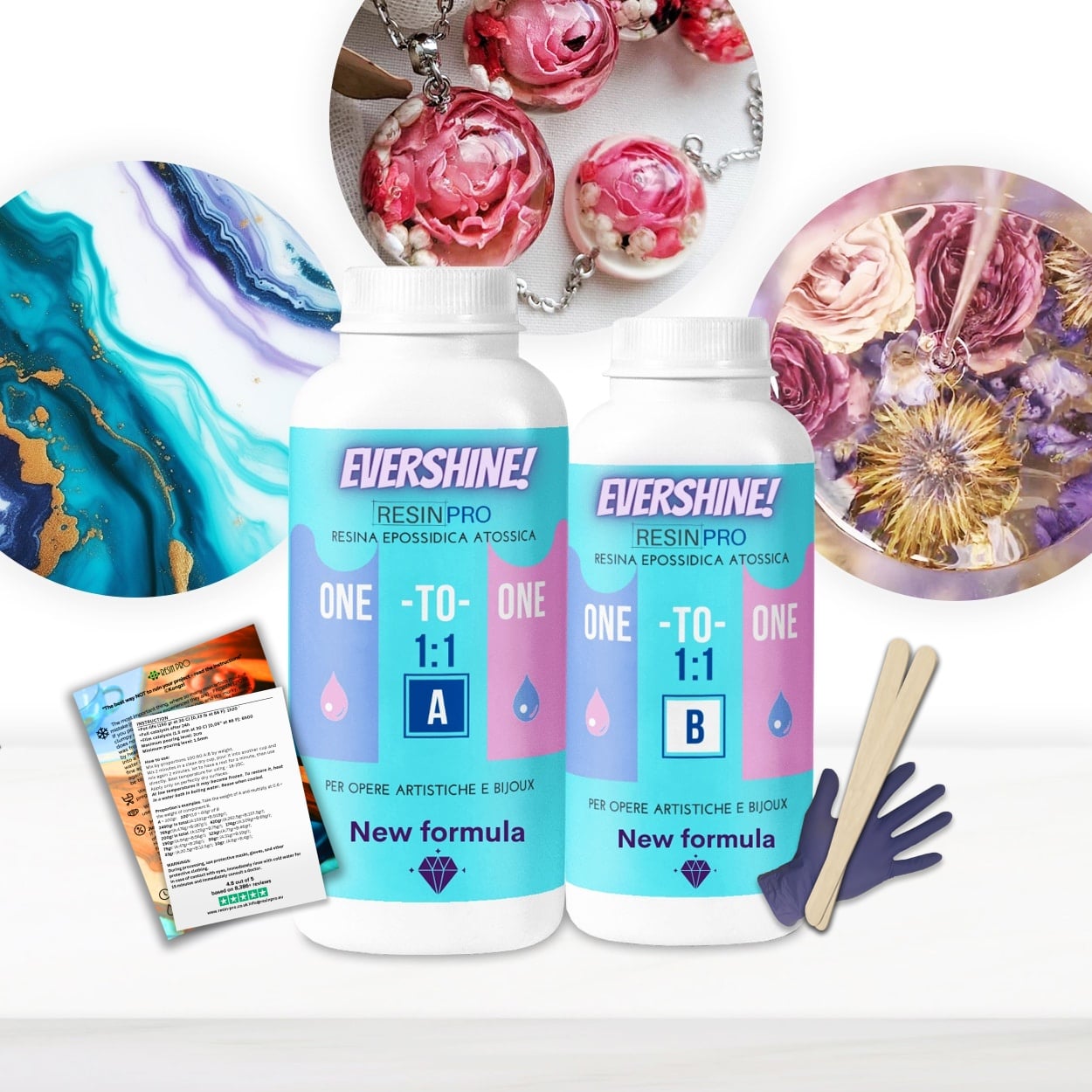 "One-2-One" – Epoxy Resin for Handcraft, 1:1 Mixing RatioPrice range: £14.85 through £56.85"One-2-One" epoxy resin offers a clear, easy 1:1 mixing formula suitable for various decorative handcraft projects.
Frequently Asked Questions About Prints and Epoxy Resin
What prints are least likely to bleed or blur under epoxy resin?
Laser prints and professionally developed photographs are very stable, while inkjet prints need to be thoroughly sealed with a clear lacquer to prevent ink migration under resin.
How do I prepare an inkjet print before using it with resin?
Allow prints to fully dry, then apply several light coats of acrylic spray lacquer, allowing each coat to dry completely. This prevents ink bleeding or discolouration during the resin pour.
What thickness of print can I embed in different resins?
For thicker items or 3D objects, use resins like “Trasparente” or “Icrystal” according to their maximum pour thickness (2 cm and 1.5 cm, respectively). For flat prints, “Art Pro” and “One-2-One” are suitable for depths up to 10 mm.
Will the resin yellow over time and affect my embedded images?
All clear resins are susceptible to yellowing eventually, especially when exposed to sunlight. Resins like Art Pro, “Trasparente”, “Icrystal”, and One-2-One have integrated UV protection to minimise colour change over time.
Is it safe to use epoxy resin on photographs?
Yes, but use prints from a professional lab or laser printer, and seal inkjet images before pouring resin. Always test on scrap prints if unsure about compatibility.
Which resin offers the easiest mixing for beginners?
One-2-One resin is operated with a straightforward 1:1 by volume mixing ratio, which simplifies preparation and is especially suitable for beginners or small craft projects dealing with prints or photos.
Can resin be used for large art prints or canvases?
Yes, resins like Art Pro and Trasparente can be used for surface coating large prints or canvases when applied in thin layers for best results. Make sure the medium is compatible and sealed where required.
Frequently Asked Questions
What prints are least likely to bleed or blur under epoxy resin?
Laser prints and professionally developed photographs are very stable, while inkjet prints need to be thoroughly sealed with a clear lacquer to prevent ink migration under resin.
How do I prepare an inkjet print before using it with resin?
Allow prints to fully dry, then apply several light coats of acrylic spray lacquer, allowing each coat to dry completely. This prevents ink bleeding or discolouration during the resin pour.
What thickness of print can I embed in different resins?
For thicker items or 3D objects, use resins like "Trasparente" or "Icrystal" according to their maximum pour thickness (2 cm and 1.5 cm, respectively). For flat prints, "Art Pro" and "One-2-One" are suitable for depths up to 10 mm.
Will the resin yellow over time and affect my embedded images?
All clear resins are susceptible to yellowing eventually, especially when exposed to sunlight. Resins like Art Pro, "Trasparente", "Icrystal", and One-2-One have integrated UV protection to minimise colour change over time.
Is it safe to use epoxy resin on photographs?
Yes, but use prints from a professional lab or laser printer, and seal inkjet images before pouring resin. Always test on scrap prints if unsure about compatibility.
Which resin offers the easiest mixing for beginners?
One-2-One resin is operated with a straightforward 1:1 by volume mixing ratio, which simplifies preparation and is especially suitable for beginners or small craft projects dealing with prints or photos.
Can resin be used for large art prints or canvases?
Yes, resins like Art Pro and Trasparente can be used for surface coating large prints or canvases when applied in thin layers for best results. Make sure the medium is compatible and sealed where required.