 Free shipping on orders over £29,85
  Shipping Tracking!


 Google
 Facebook
← Back to How do you install resin-coated material in hollow bricks?
Applying resin to brickwork is a popular approach for both decorative and protective finishes, but the question of whether a primer is needed can impact the durability and appearance of your result.
Why Use a Primer on Bricks?
Bricks are typically porous, especially in the case of hollow or softer varieties. This means they can absorb liquids quickly, potentially leading to uneven adhesion of resin and a patchy finish. A primer serves to seal the surface, reducing rapid absorption and helping the resin bond more evenly and securely to the brick.
Choosing and Applying Primer
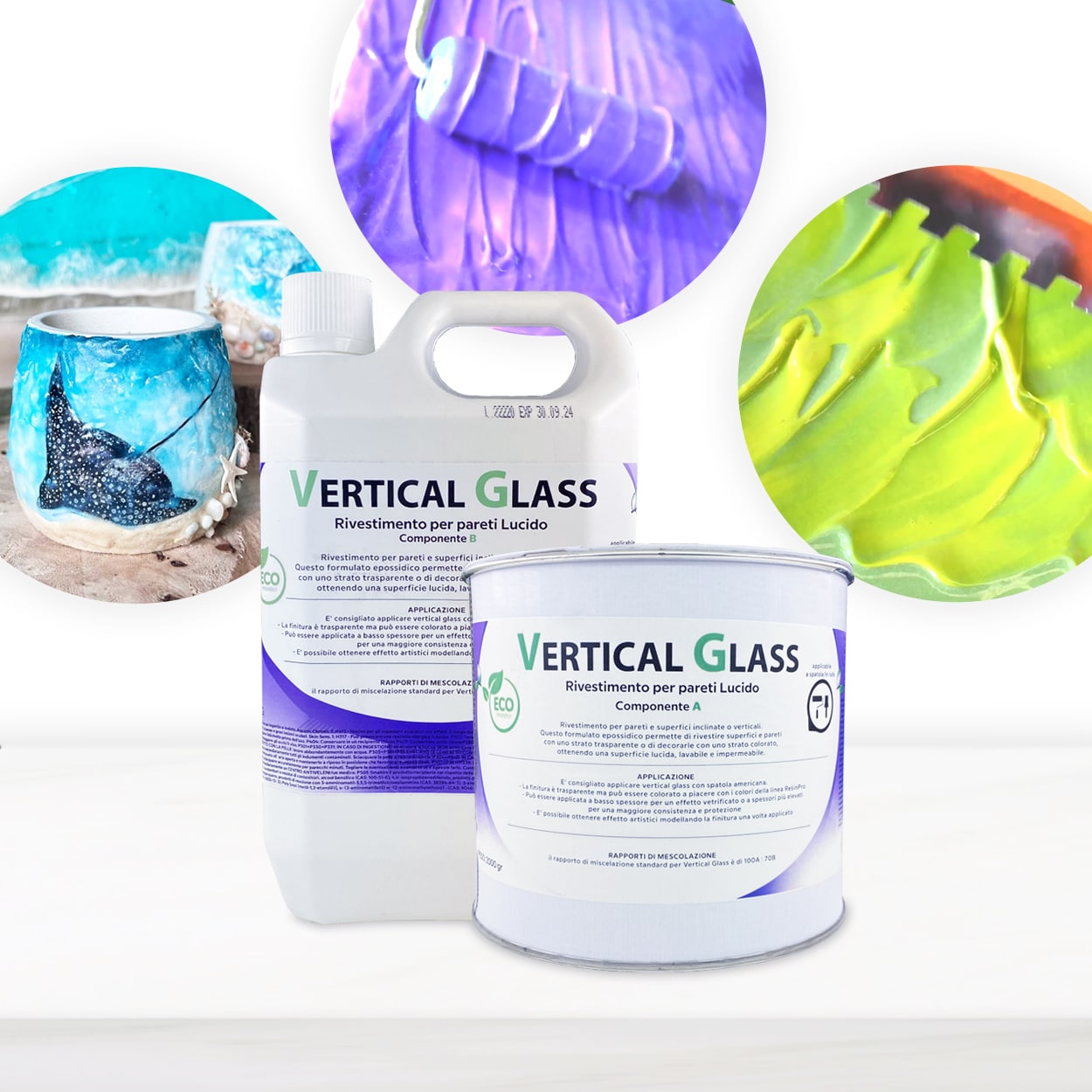
For most interior brick installations, a compatible primer is highly recommended before you apply your resin system. Clean the surface thoroughly, ensuring dust and debris are removed. Apply the primer in a thin, even coat and allow it to dry as directed before moving on to the resin itself. For example, a product like “Vertical Glass” – Thick Resin Decorative Wall Coating will benefit from this step, resulting in a more resilient and attractive finish.
When Primer Really Matters
- You are working with hollow, highly porous, or previously unsealed bricks.
- The area is exposed to moisture or temperature changes, such as kitchens or bathrooms.
- You want your resin coating to last without peeling or blistering over time.
Related products
Related guides
Priming bricks before resin application lays the foundation for a lasting, flawless result. For more details on techniques and material choices, see our full guide: How do you install resin-coated material in hollow bricks?