 Free shipping on orders over £29,85
  Shipping Tracking!


 Google
 Facebook
← Back to Where do acrylic wall resins originate from?
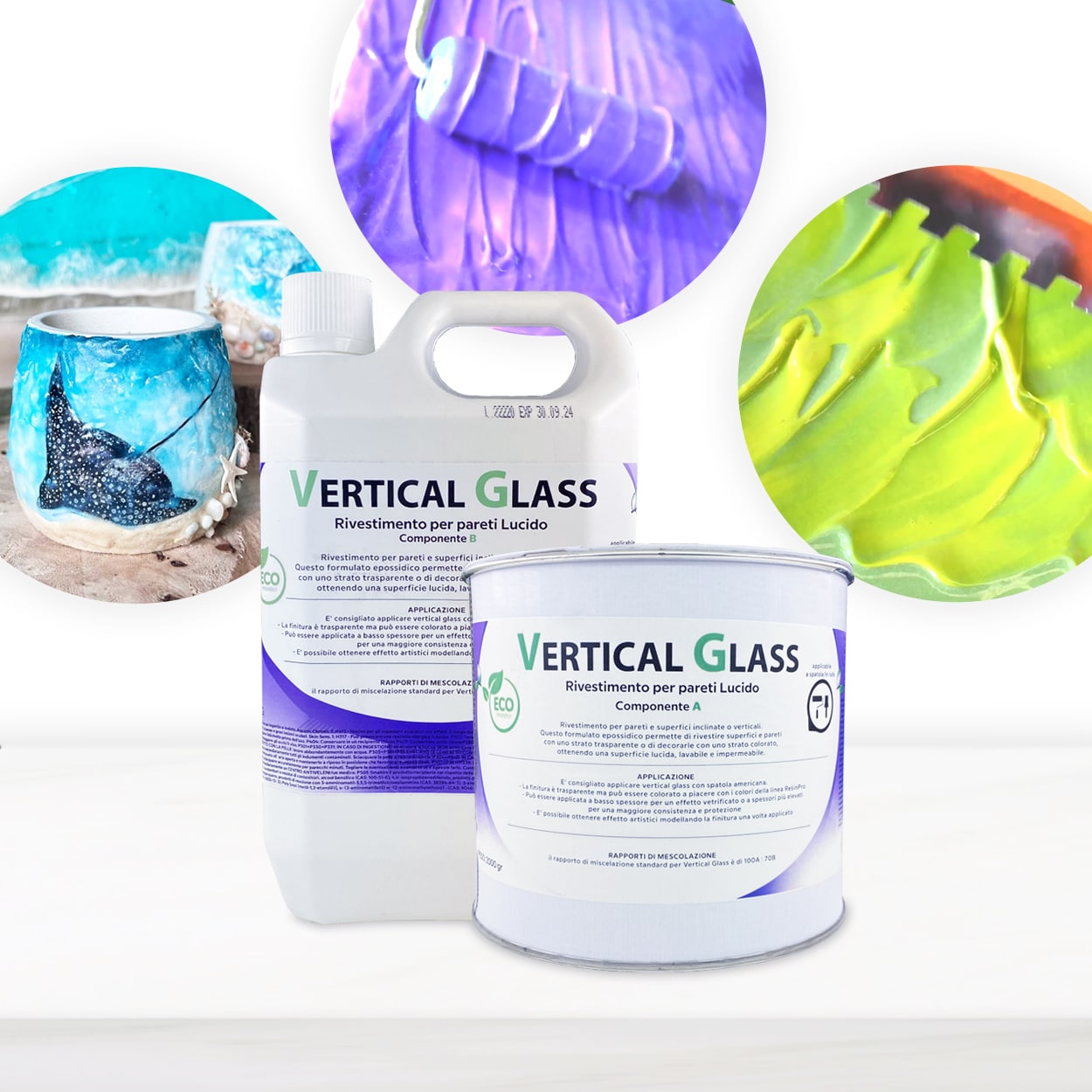
Thinking about updating your kitchen or bathroom walls with a modern, durable finish? Acrylic and epoxy wall resins offer an appealing and practical solution, but how do they stand up to the demands of wet, high-humidity areas?
Is Wall Resin Suitable for Wet Environments?
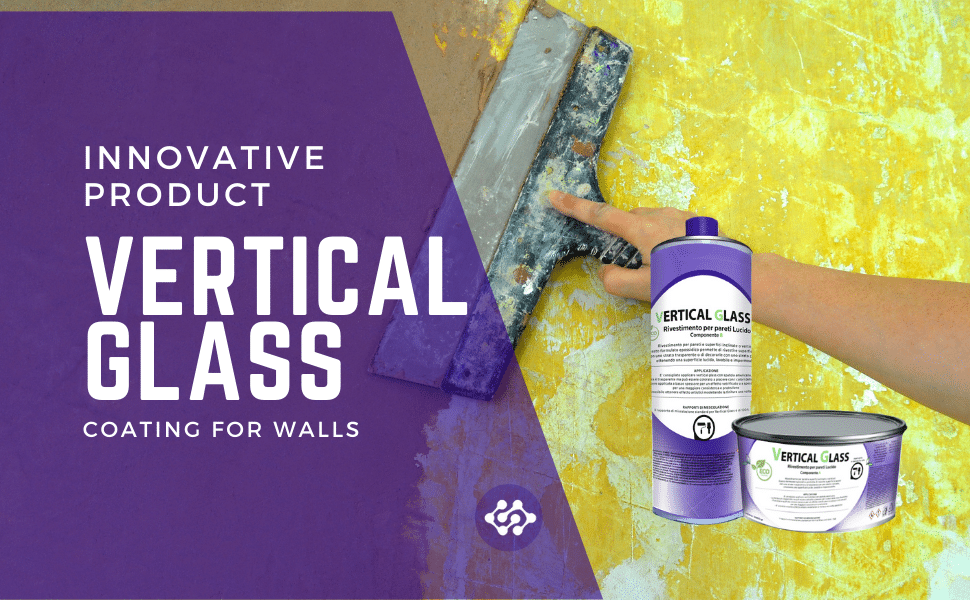
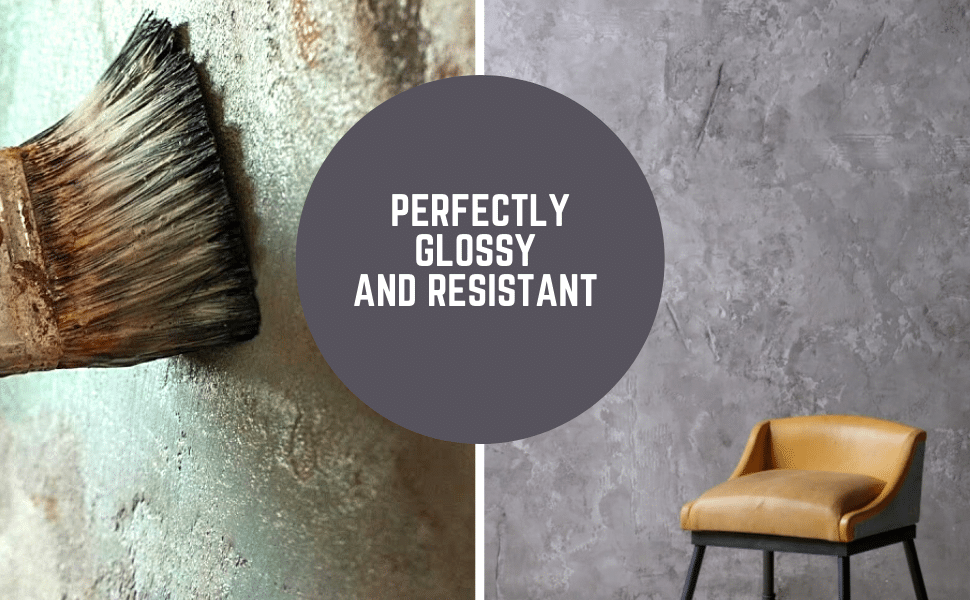
Quality wall resins, such as epoxy and acrylic formulations, are designed with water resistance in mind. This means they can handle the moisture, condensation and splashes common in bathrooms and kitchens. Their robust, washable finish also protects underlying surfaces like tiles, cement, wood, and bricks from everyday wear and tear. One standout choice is the “Vertical Glass” – Thick Resin Decorative Wall Coating, which is well-suited for high-moisture interior spaces.

Practical Tips for Application
When applying wall resin in your kitchen or bathroom, surface preparation is key. Ensure your chosen substrate—whether tiles, plaster, wood, or bricks—is clean, dry and free of grease. Wall resins like “Vertical Glass” are typically applied using a spatula, allowing for both thin vitrified effects or thicker, more protective coatings. To achieve a custom look, tints and metallic pigments can be blended into the mix before application. Allow sufficient curing time before exposing the surface to water or regular cleaning to ensure long-lasting results.
When Does This Matter Most?
- Renovating or updating wet rooms: Ideal when you want a seamless, contemporary surface that is easy to clean.
- Protecting walls in high-traffic, humid spaces: Especially useful around sinks, baths, and cookers where splashes are frequent.
- Seeking creative finishes: Wall resins offer the flexibility to customise colour and effects for unique interior décor.

Related products
Related guides
If you’re planning to enhance and protect the walls in damp-prone rooms, acrylic and epoxy resins can offer resilience and style. For more insight on how these innovative products were developed and where they come from, explore our main guide on the origins of acrylic wall resins.