 Free shipping on orders over £29,85
  Shipping Tracking!


 Google
 Facebook
← Back to How do you glue resin to wood?
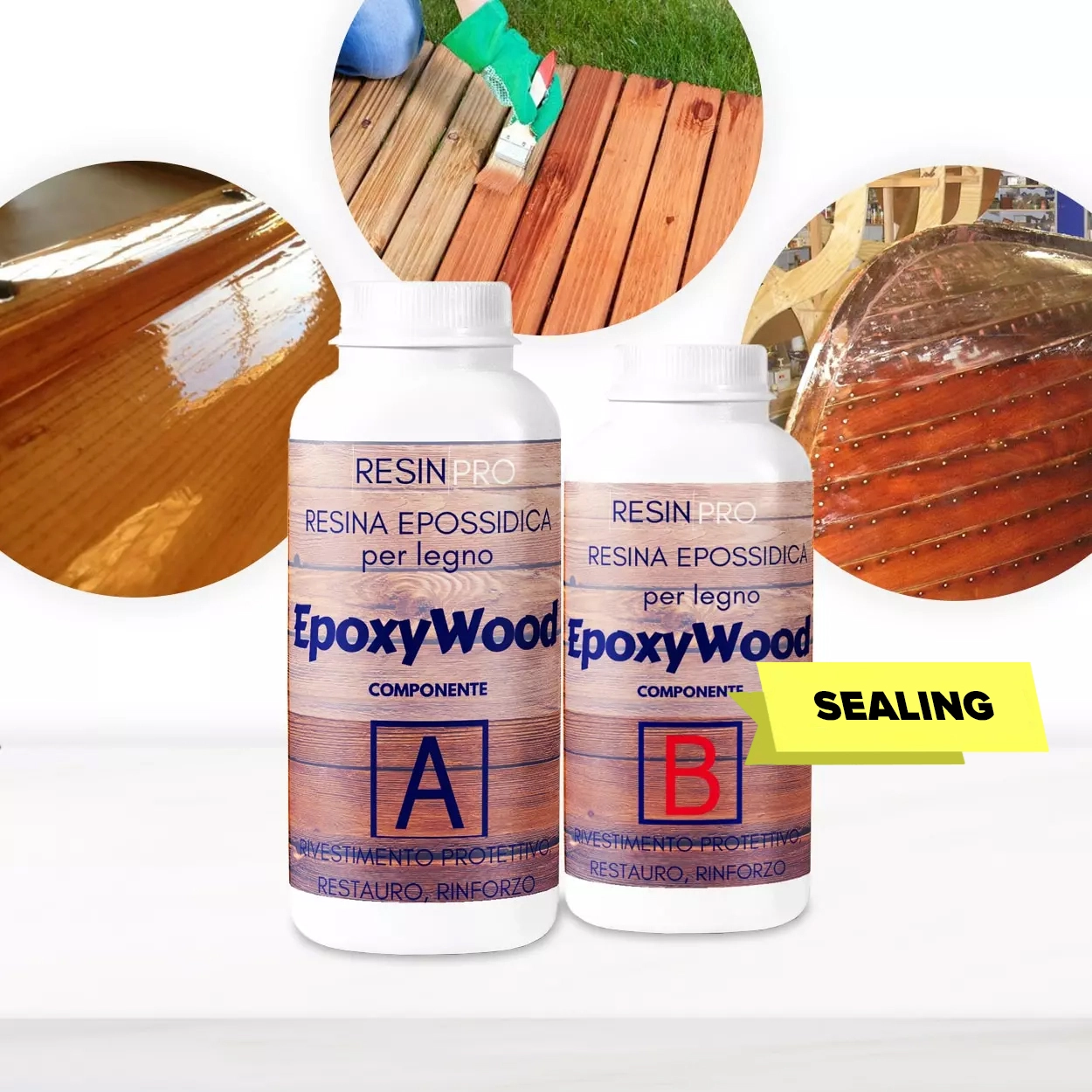
Ensuring strong, lasting joints in woodwork often requires more than a standard adhesive—especially when dealing with porous or compromised timber. EpoxyWood can play a crucial role in preparing these surfaces for optimum results.
Why Use EpoxyWood Before Gluing?
Wood is a natural, often unpredictable material. If the joint area is very porous, dry, or shows signs of damage, ordinary adhesives may not bond well or could seep into the surface, leading to weak joins. EpoxyWood is specifically designed to penetrate and reinforce these vulnerable spots, filling micro-cavities and effectively sealing the surface prior to bonding. This preparation not only strengthens the wood internally but also creates a much better base for gluing with epoxies or other adhesives.
How to Apply EpoxyWood for Joints
Start by cleaning and thoroughly drying the wood surface. Lightly sand the joint area to improve absorption, then apply EpoxyWood according to the manufacturer’s directions. Its ultra-low viscosity allows the resin to soak deep into the wood’s pores, reinforcing and waterproofing as it cures. Once fully hardened, you can proceed to bond with a suitable epoxy glue such as FixExpress.
When This Matters Most
- If the wood is historic, weathered, or shows signs of rot or insect damage.
- For exterior joints exposed to moisture, as EpoxyWood provides essential waterproofing.
- When aiming for a durable, reliable joint in furniture or marine repairs.
Related products
Related guides
Proper surface reinforcement with EpoxyWood ensures stronger, longer-lasting wood-to-resin bonds. For more wood and resin bonding tips, visit our main hub: How do you glue resin to wood?