 Free shipping on orders over £29,85
  Shipping Tracking!


 Google
 Facebook
← Back to How to resin an air intake on a car?

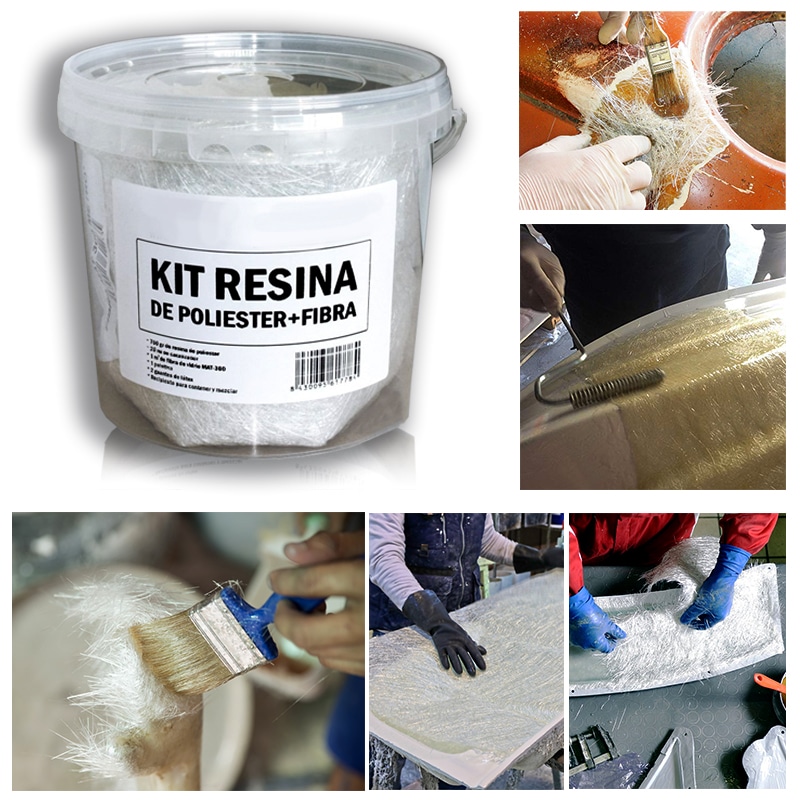
When repairing a car’s air intake with resin, you may wonder if adding fibre reinforcement is really necessary. This guide explains its importance and helps you achieve longer-lasting, more dependable results.
Why Consider Fibre Reinforcement?
Fibre reinforcement—using materials such as fibreglass or carbon fibre mat—brings significant benefits to air intake repairs. It greatly boosts structural strength, distributes loads more evenly, and significantly extends the longevity of your repair. Air intakes are exposed to temperature changes, vibrations, and sometimes pressure variations, so a simple resin-only fix may lack the durability needed for automotive use, especially on cracks, thin areas, or spots exposed to stress.
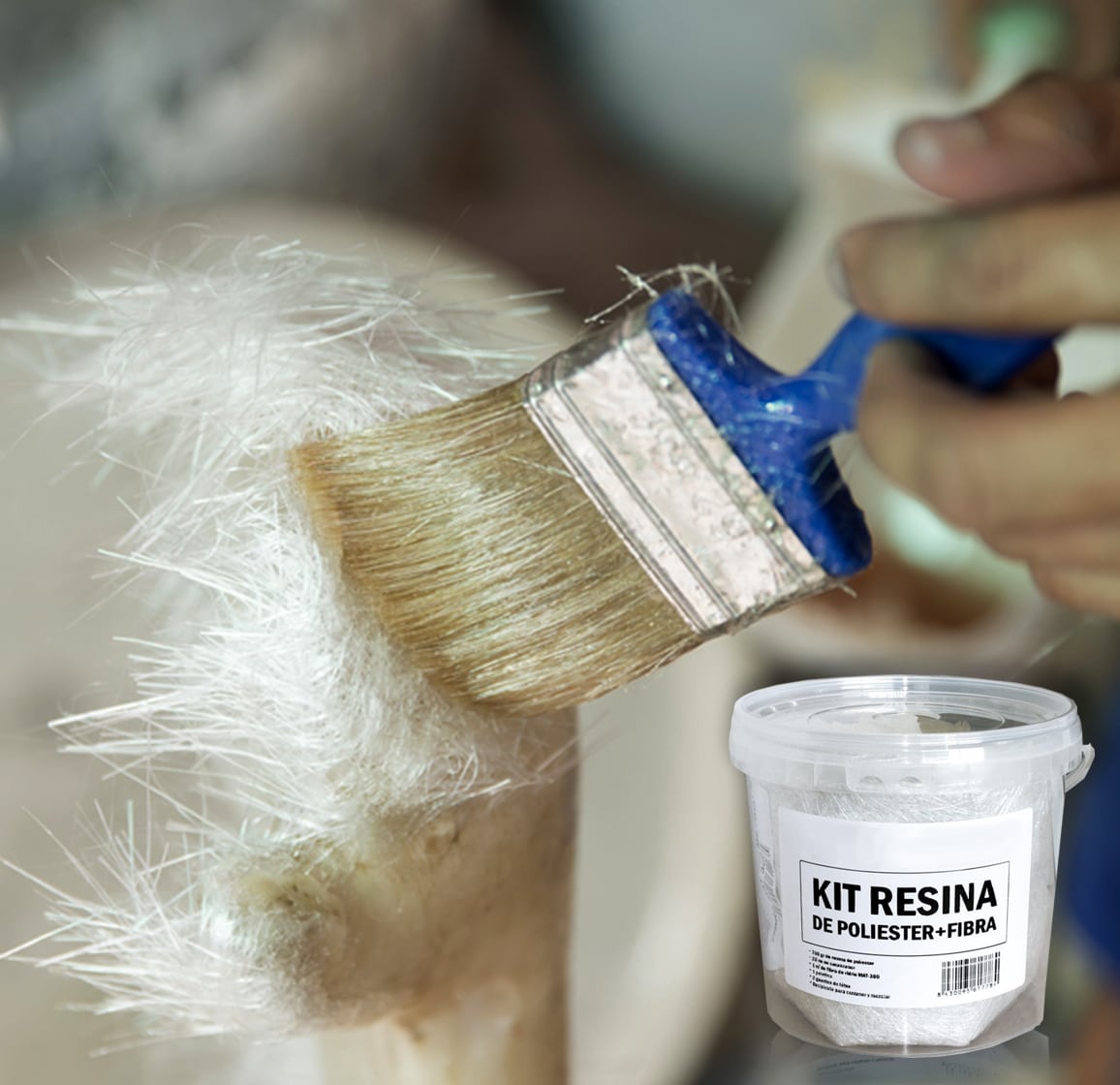
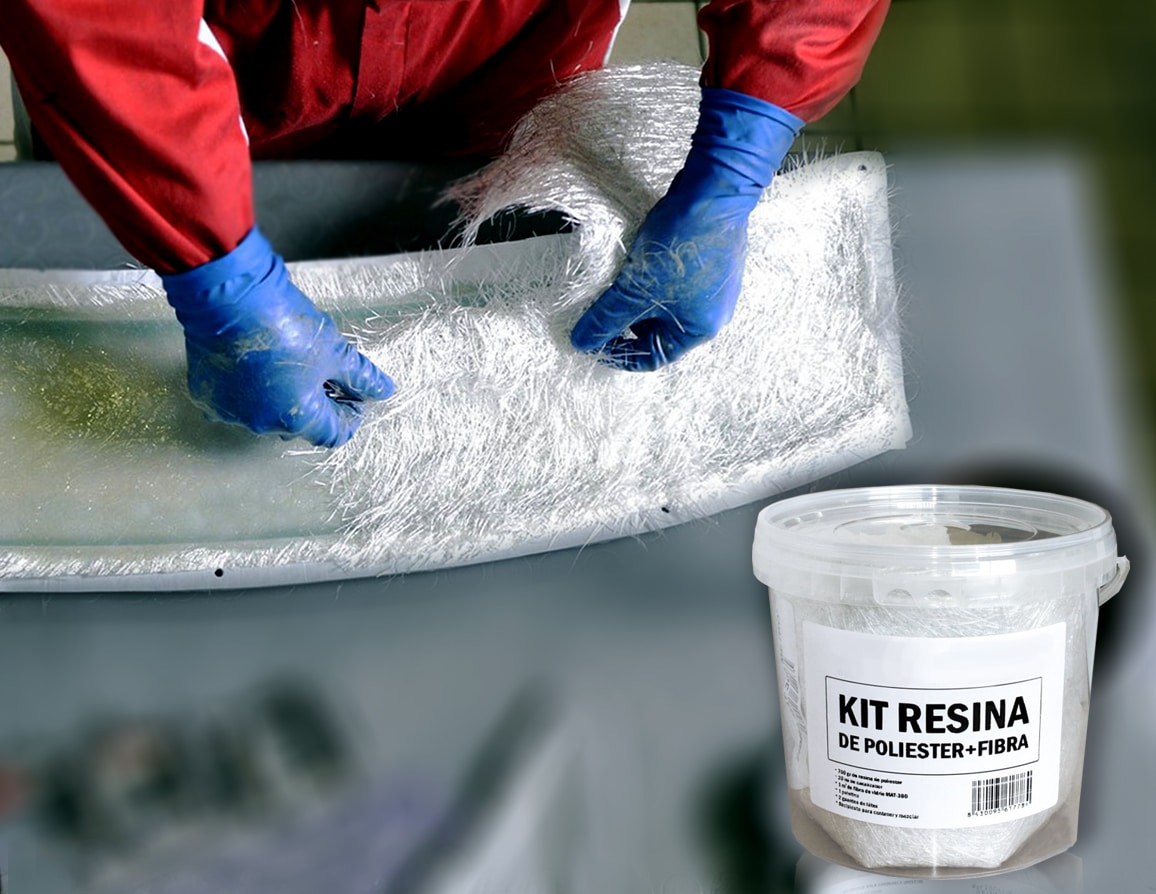
How to Integrate Fibre Reinforcement into Your Repair
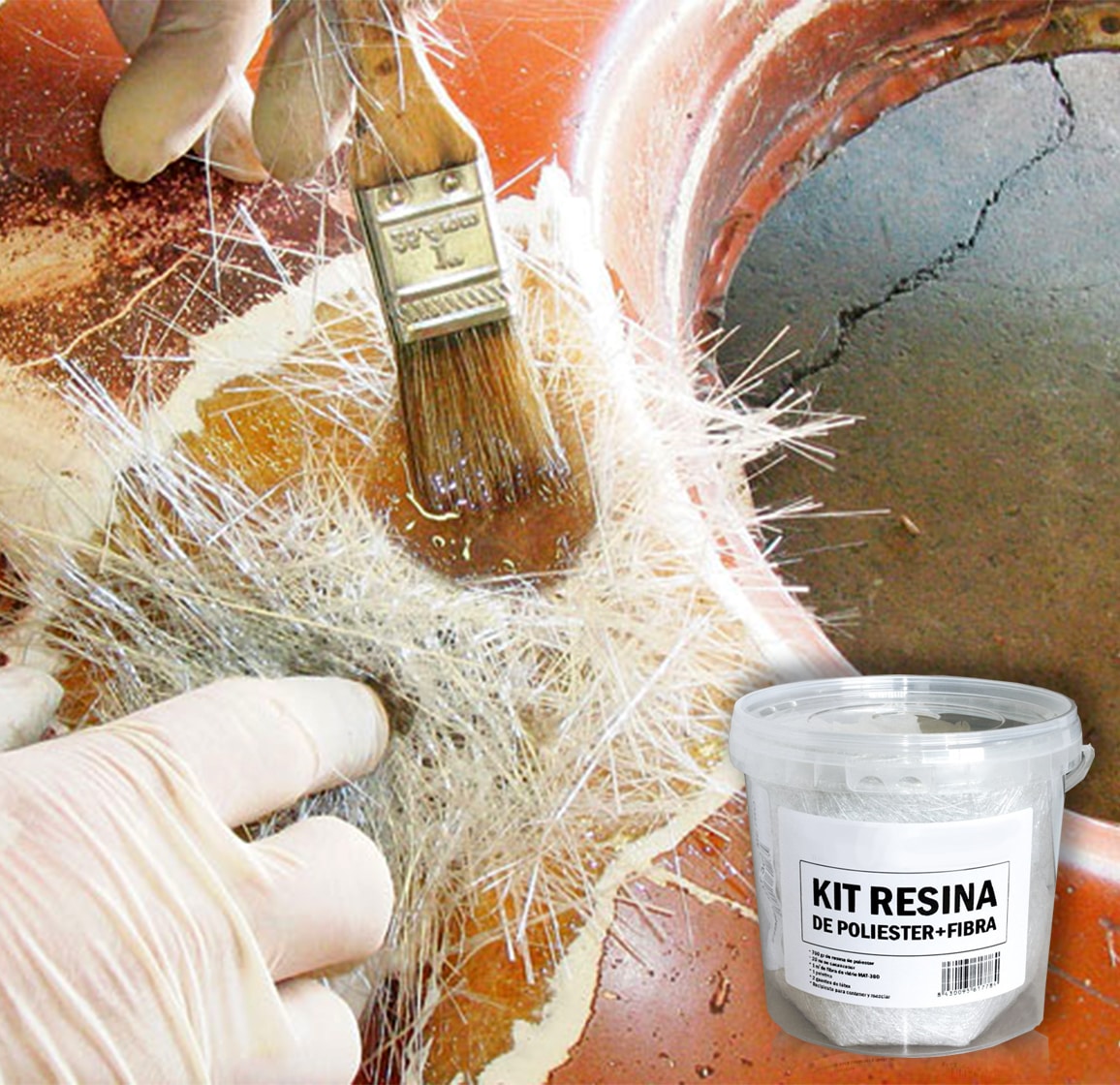
Before you start, thoroughly clean and degrease the affected area—a specialist like the Strong Technical Degreaser ensures optimal resin bonding. Layer fibreglass mat or carbon cloth onto the damaged area, then fully saturate with your chosen resin, such as our Resin Fibreglass Repair Kit or a dedicated epoxy for composites. Allow to cure as directed, then trim and sand if necessary to achieve a flush, secure finish.
- Use gloves and suitable tools to avoid mess.
- Apply resin carefully to eliminate air pockets within the fibres.
- Opt for multiple layers if the intake suffers from substantial cracks or weakened sections.
When Does Fibre Really Matter?
Fibre reinforcement matters most when dealing with structural cracks, thin-walled intakes, or areas exposed to vibration and engine heat. Pure resin repairs may suffice for minor chips, but for any repair involving strength or long-term reliability, fibre is strongly advised for peace of mind.
Related products
Related guides
Fibre reinforcement is the key to making your air intake repair robust and long-lasting. For full details on resin repair for car components, return to our main guide on how to resin an air intake on a car.