 Free shipping on orders over £29,85
  Shipping Tracking!


 Google
 Facebook
← Back to How is polyolefin resin obtained?
When working with polyolefin resin—whether as a hobbyist or a professional—understanding how to handle it safely is essential. While the cured resin is usually safe, extra care is needed during mixing and pouring stages.
Safe Handling of Polyolefin Resin
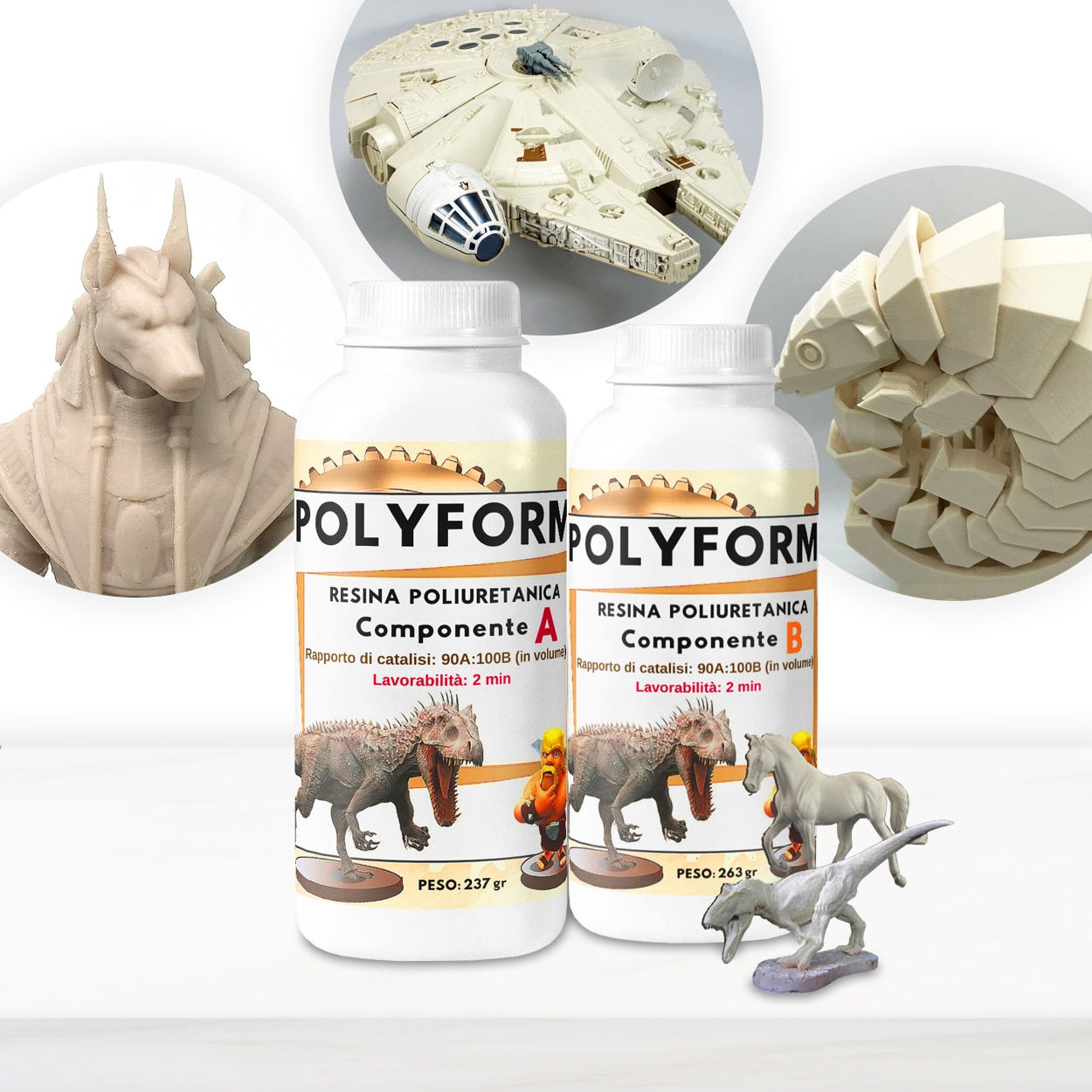
Polyolefin resin in its uncured state can include reactive components that call for thoughtful handling. Always follow the manufacturer’s guidance on protective measures. For example, with products like Polyform polyurethane casting resin, it’s best to wear gloves and protective eyewear while mixing and pouring. Good ventilation is advised to avoid inhaling any vapours or dust during preparation.
Personal Protective Equipment (PPE)
- Gloves: Use nitrile or chemical-resistant gloves to prevent skin contact during mixing.
- Eye Protection: Safety goggles help guard against accidental splashes.
- Respiratory Precautions: In small, well-ventilated areas, a basic dust mask can help, especially if handling fine powders or vapours.
Once the resin is fully cured, no special PPE is required for handling, as the product becomes non-toxic and safe to touch.
When Caution Matters Most
Take special care when opening containers, mixing components, and pouring uncured resin. The risk of irritation or allergic reaction is greatest before curing. Clean up any accidental spills promptly with an appropriate solvent such as isopropyl alcohol and wash your hands thoroughly after use.
Related products
Related guides
By following best practices and respecting manufacturer instructions, you can enjoy the benefits of polyolefin resin with peace of mind. For more insights on resin sourcing and use, see our guide on how polyolefin resin is obtained.