 Free shipping on orders over £29,85
  Shipping Tracking!


 Google
 Facebook
← Back to how to make paintings with resin
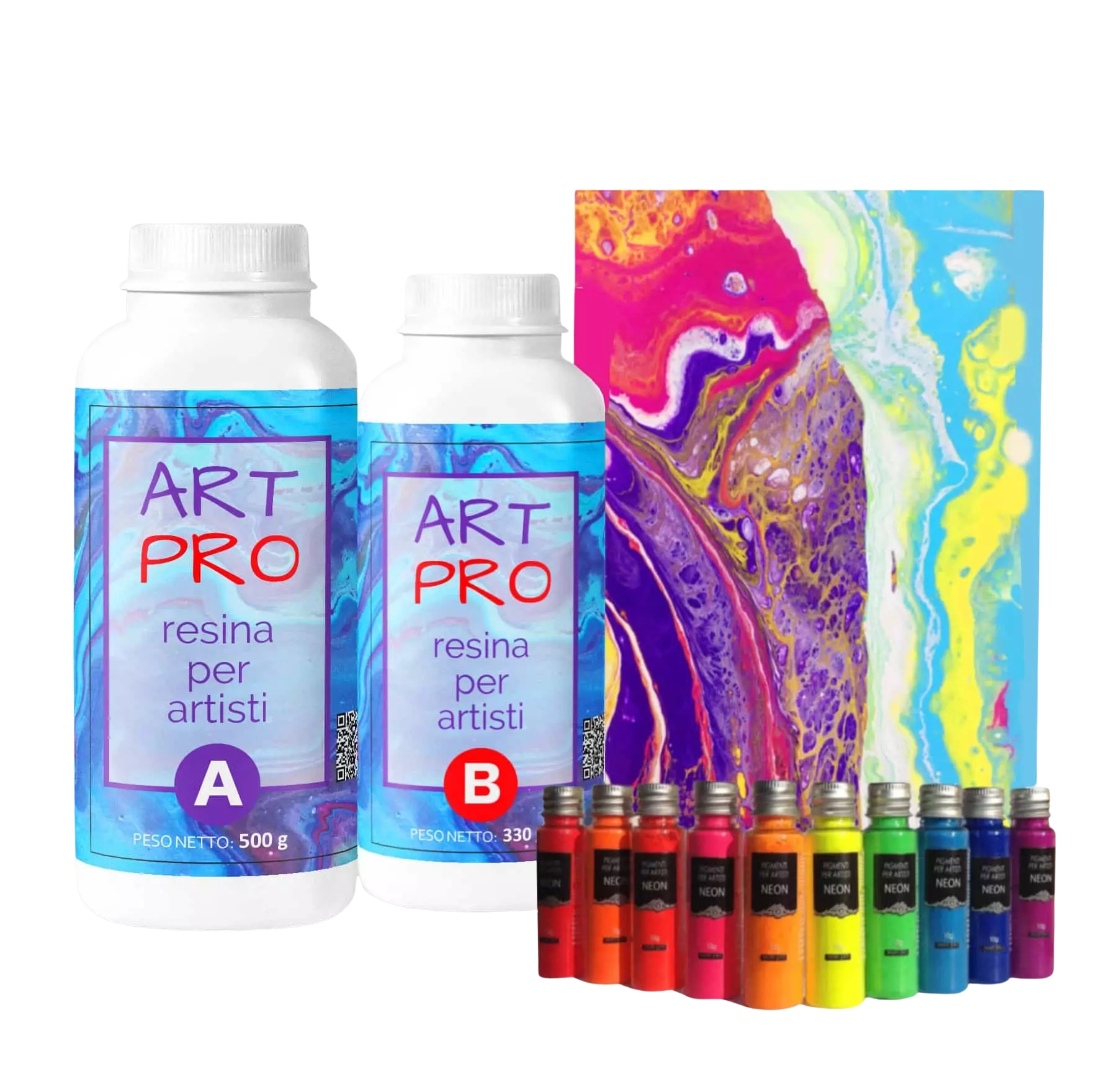
Working with resin creates stunning artwork, but it also involves handling chemicals. Taking the right safety precautions from the start makes your creative process safer and more enjoyable.
Why Protective Wear is Essential in Resin Art
Direct skin contact with resin should always be avoided, even when using non-toxic or certified products. Epoxy resins can be sticky, and uncured material may cause irritation or sensitisation over time. Wearing disposable gloves, such as those included in the Raphael Kit – Pour Paint & Resin Art Set, helps keep your hands protected from accidental splashes or drips. It’s also important to cover your workspace to prevent spills and safeguard your surfaces.
Best Practices for Safe Resin Painting
- Gloves: Choose nitrile gloves as they resist chemicals and are easy to dispose of after mixing and pouring.
- Work Area: Lay down plastic sheeting or silicone mats to catch any resin spills and resist sticking.
- Clothing: Wear old clothes or an apron to protect against accidental splashes.
- Ventilation: While many artist resins are low-odour, keeping your area well-ventilated is always wise.
When This Matters Most
These precautions are especially crucial for beginners learning new pouring techniques, and when working with larger amounts of resin. Accidental skin contact can happen quickly, so it’s worth making protection a habit from your first project.
Related products
Related guides
Taking protective measures is a simple but important step in mastering resin painting. For more tips and inspiration on creating resin art, explore our full guide on how to make paintings with resin.