 Free shipping on orders over £29,85
  Shipping Tracking!


 Google
 Facebook
How to Renovate the Bathroom with Resin?
Transform worn bathroom surfaces using durable resin solutions
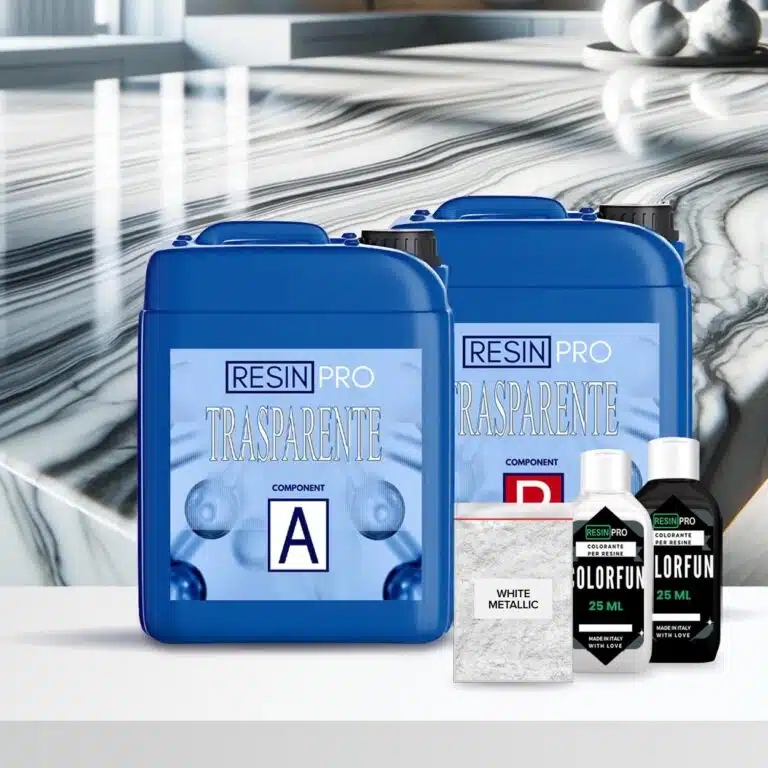
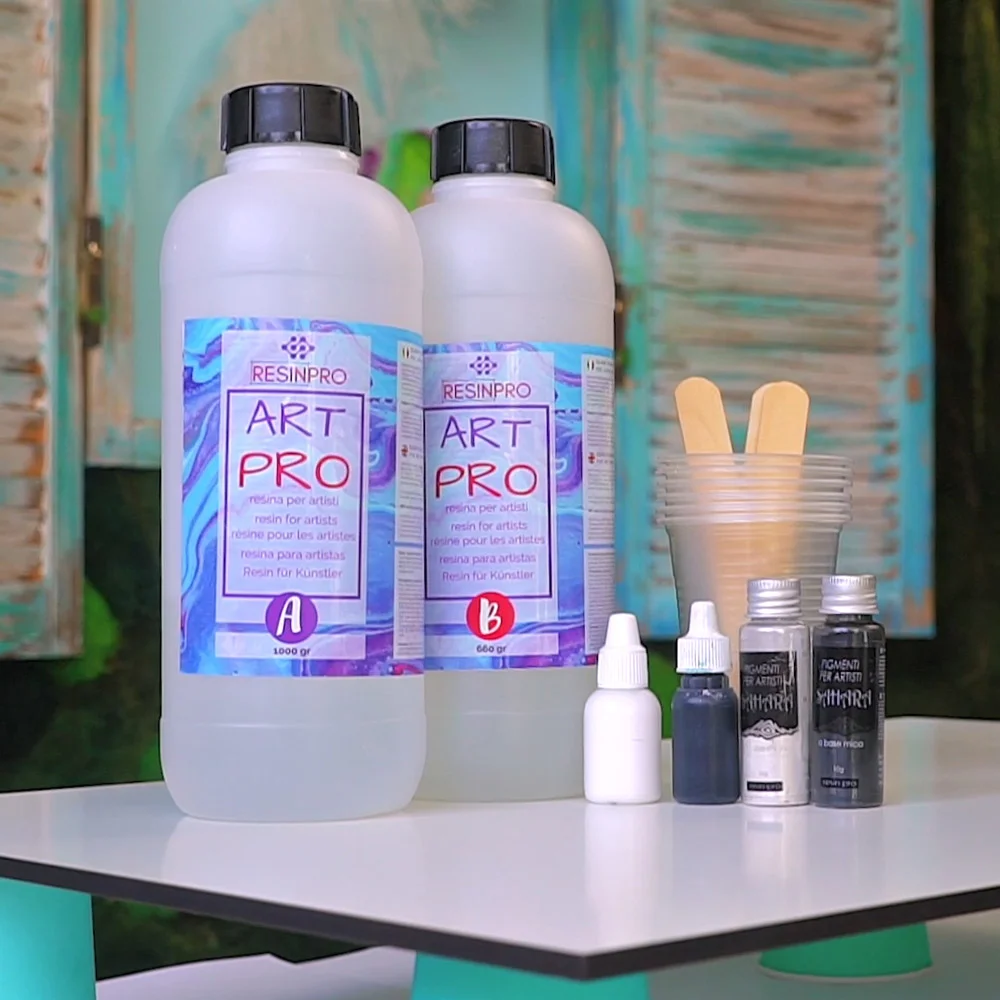
Renovating your bathroom with resin can breathe new life into old surfaces, offering durable, water-resistant, and visually stunning results. Whether you want to refresh worktops, protect concrete floors, or create a bespoke decorative finish, resin applications lend both practicality and modern style to the home. This step-by-step guide details how to achieve professional results and avoid common mistakes when tackling a resin-based bathroom renovation.
What You’ll Need
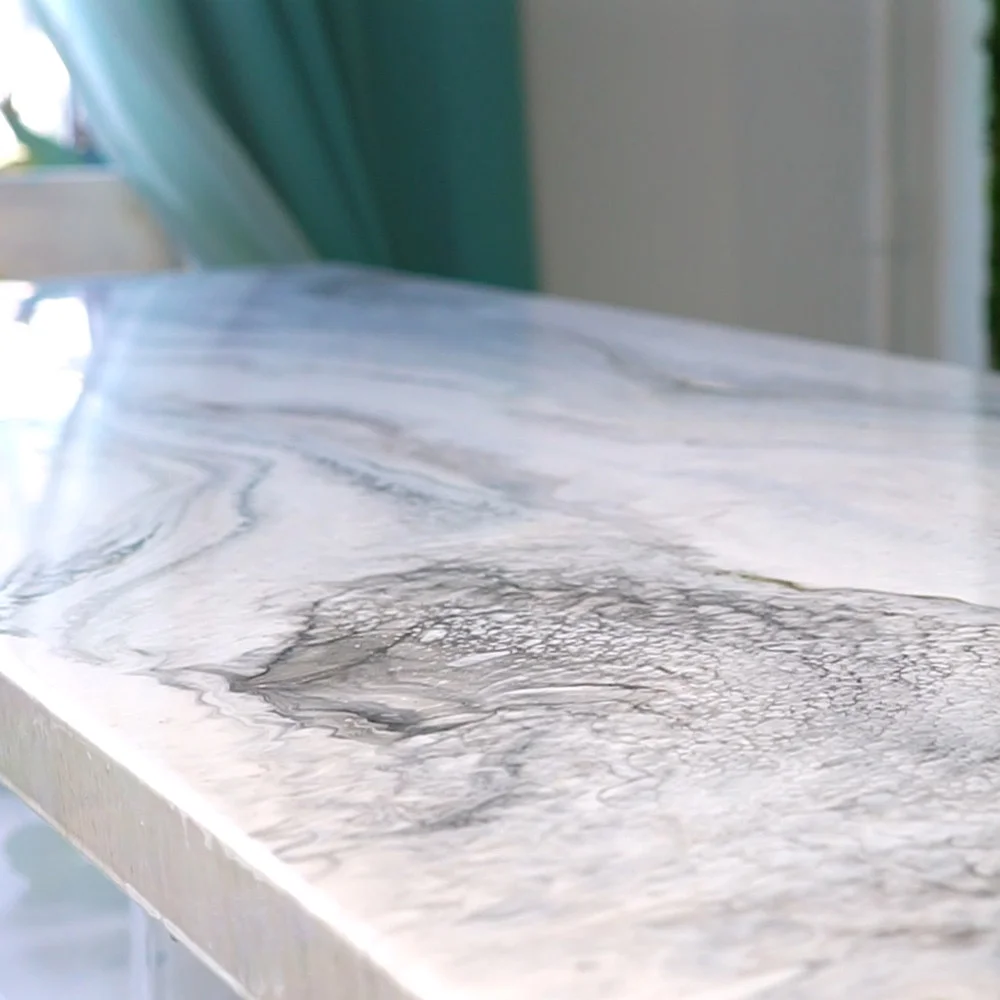
- “Stone Effect Collection” – Marble Epoxy Resin Countertop Kit: For marble or stone effect surfaces on vanities and countertops.
- “Trasparente” – Multipurpose Clear Epoxy Resin for Casting – Up to 2cm: For clear protective coatings, decorative embeds, or casting details up to 2cm thick.
- “EpoxyTable 5-Five” – Deep Pour Epoxy Resin for Tables and Large Projects – Up to 5cm: For casting larger decorative or functional resin features needing thicker layers.
- “Resinstone” – One-Component Methacrylic Resin for Concrete Floors and Driveways: For sealing and protecting existing concrete bathroom floors or wet areas.
- Disposable gloves, mixing containers, painter’s tape, sanding blocks, cleaning supplies (mild detergent, lint-free cloths), application tools as dictated by your chosen resin kit.
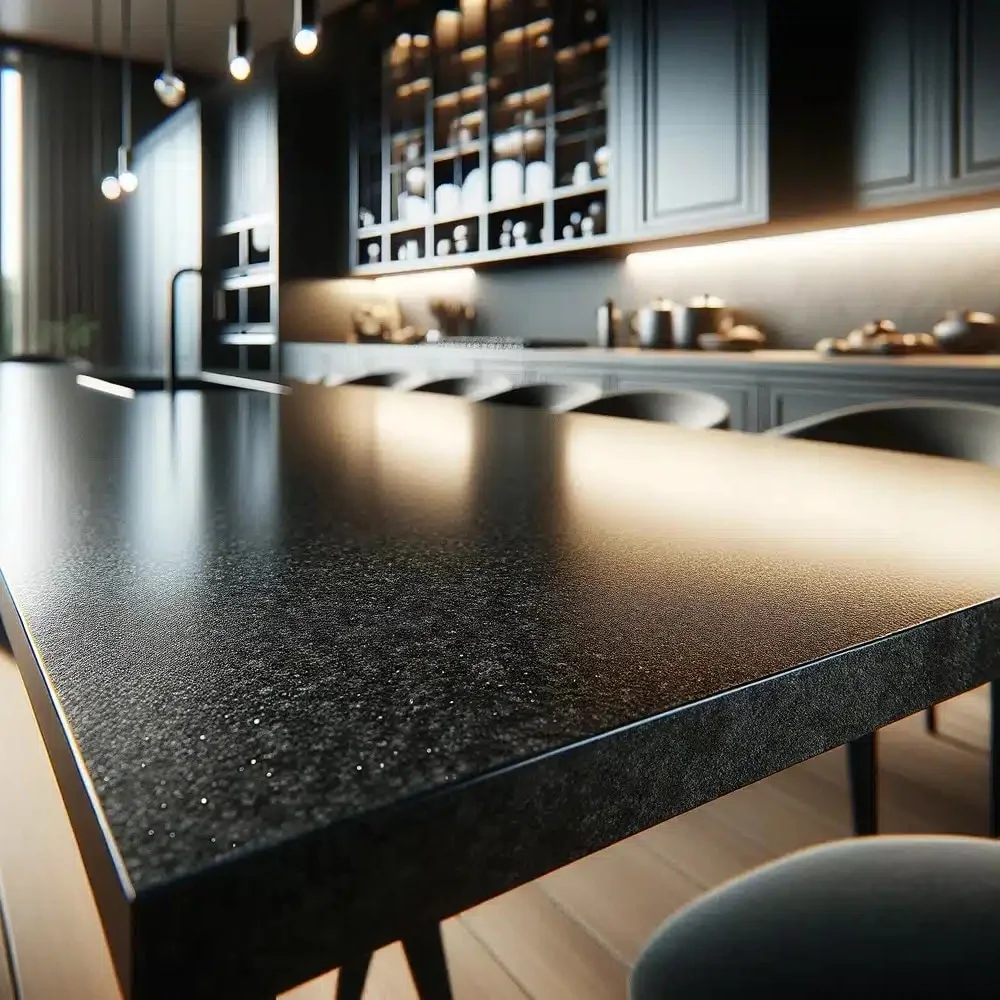
Visualising Resin Bathroom Transformations
See inspiring before-and-after images of countertops, vanities, and floors upgraded with resin for a bright, modern finish. Notice the seamless, high-gloss effect that resin brings to tired bathroom surfaces.
Step 1: Prepare Surfaces for Resin Application
Thorough preparation is the foundation of any quality resin renovation. Begin by clearing the bathroom and prepping all surfaces to be coated. Clean surfaces with a mild detergent to remove soap residue, oils, and dust. For glossy or previously coated surfaces, lightly sand to ensure a roughened, matte finish which enhances resin adhesion. Dust away sanding debris and ensure all areas are completely dry—resin and residual moisture do not mix well.
Surface preparation is crucial for lasting results; skipping this step risks poor bonding and premature wear. Use painter’s tape to mask off edges, drains, or fixtures to keep lines neat and avoid unwanted drips.
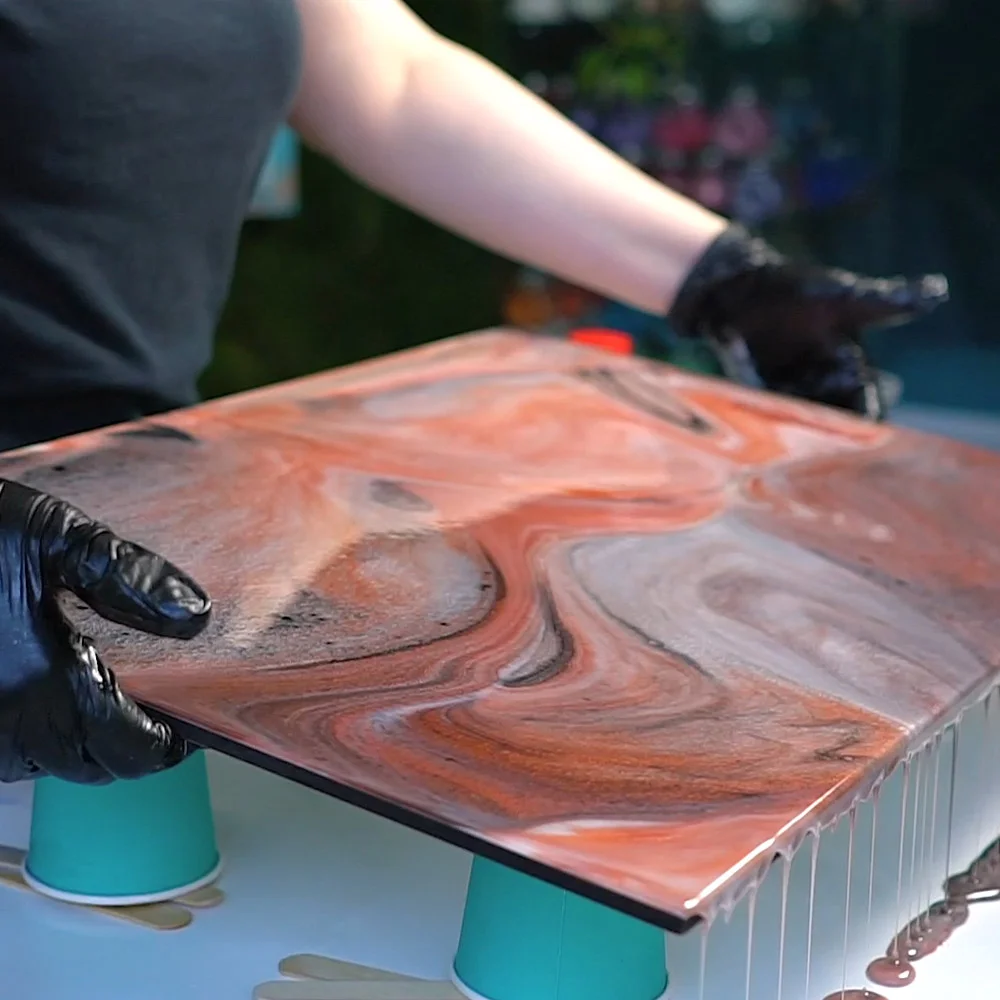
Step 2: Mix and Tint the Resin
Measure your resin and hardener according to your kit’s instructions, using clean, dry mixing containers. If creating a decorative effect (such as marble or stone), tint the resin with the supplied pigments before combining with the hardener. For example, the “Stone Effect Collection” – Marble Epoxy Resin Countertop Kit contains everything needed for intricate, multi-colour effects.
Mix the components slowly and thoroughly, scraping the sides and bottom, until the mixture is uniform. Quick or careless stirring can result in air bubbles or unmixed resin, causing cloudy spots or soft patches in the finished surface. For multi-stage pours, mix only what you need for each layer to maintain working time and clarity.
Mix carefully to avoid air bubbles; once set, trapped bubbles are nearly impossible to remove without abrasive refinishing.
Step 3: Apply Resin to Countertops, Walls, or Decorative Features
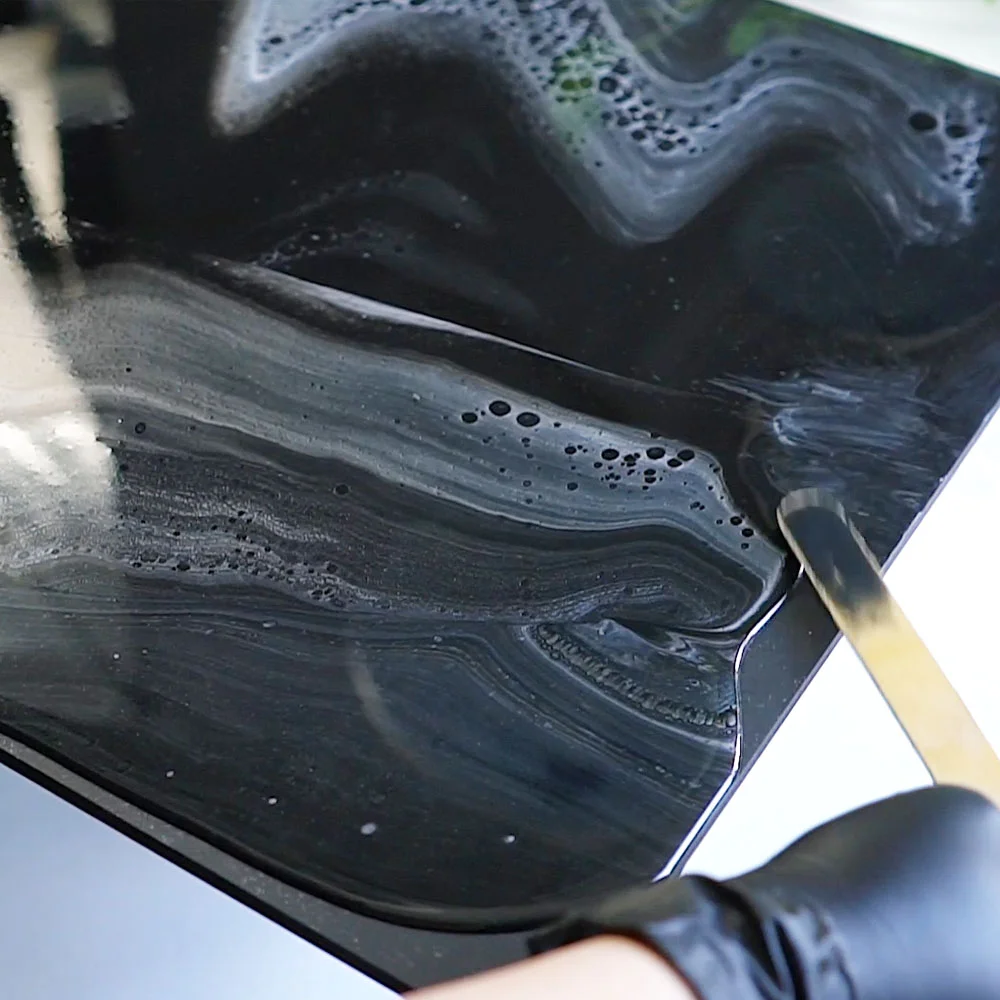
Pour or brush the resin onto the prepared surface, starting at one end and working methodically to the other. For countertops or vertical applications, use a trowel, roller, or included kit tools for even distribution. If using a kit such as the Stone Effect Collection, follow the guide for layering tints and creating natural stone veins using isopropyl alcohol and pigments.
If you are adding clear castings, decorative inclusions, or deep layers for sink or niche surrounds, consider the layer thickness: use “Trasparente” – Multipurpose Clear Epoxy Resin for up to 2cm, and “EpoxyTable 5-Five” for thicker pours (up to 5cm). Pour in stages if a deeper fill is required.
Step 4: Protect and Seal Bathroom Floors
Concrete or screed floors in the bathroom can benefit from a robust resin seal to guard against water ingress and wear. Apply “Resinstone” – One-Component Methacrylic Resin onto clean, dry concrete using a roller or airless sprayer. Work methodically to avoid missed spots and allow the coating to penetrate for lasting protection.
Allow proper curing before use; avoid returning furniture or heavy foot traffic until the resin is fully set as specified in your kit instructions.
Tips and Common Mistakes to Avoid
Poor surface cleaning leads to peeling: Always degrease and sand where necessary. Rushing curing can spoil the finish: Never cut corners on dry times, especially in cool or humid weather. If air bubbles appear, pass a heat gun or hairdryer at a safe distance across the wet resin—but avoid overheating, which risks yellowing or surface defects.
Plan your resin work for a dust-free, ventilated day. Mask all fittings to save yourself tedious clean-up after curing. Wear gloves at all times and dispose of mixing tools responsibly. Practice your chosen effect on a sample board before attempting an entire counter or floor.
Practical Resin Application Demonstrations
Short video clips and close-up shots show key resin techniques: careful mixing, veining for marble effect, and smooth roller application on floors. Observe the clarity and durability achieved when applied with care.
- "Stone Effect Collection" – Marble Epoxy Resin Countertop KitPrice range: £57.95 through £272.95"Stone Effect Collection" provides an all-in-one epoxy resin kit designed for durable, scratch-resistant marble and stone effect surfaces in bathroom…
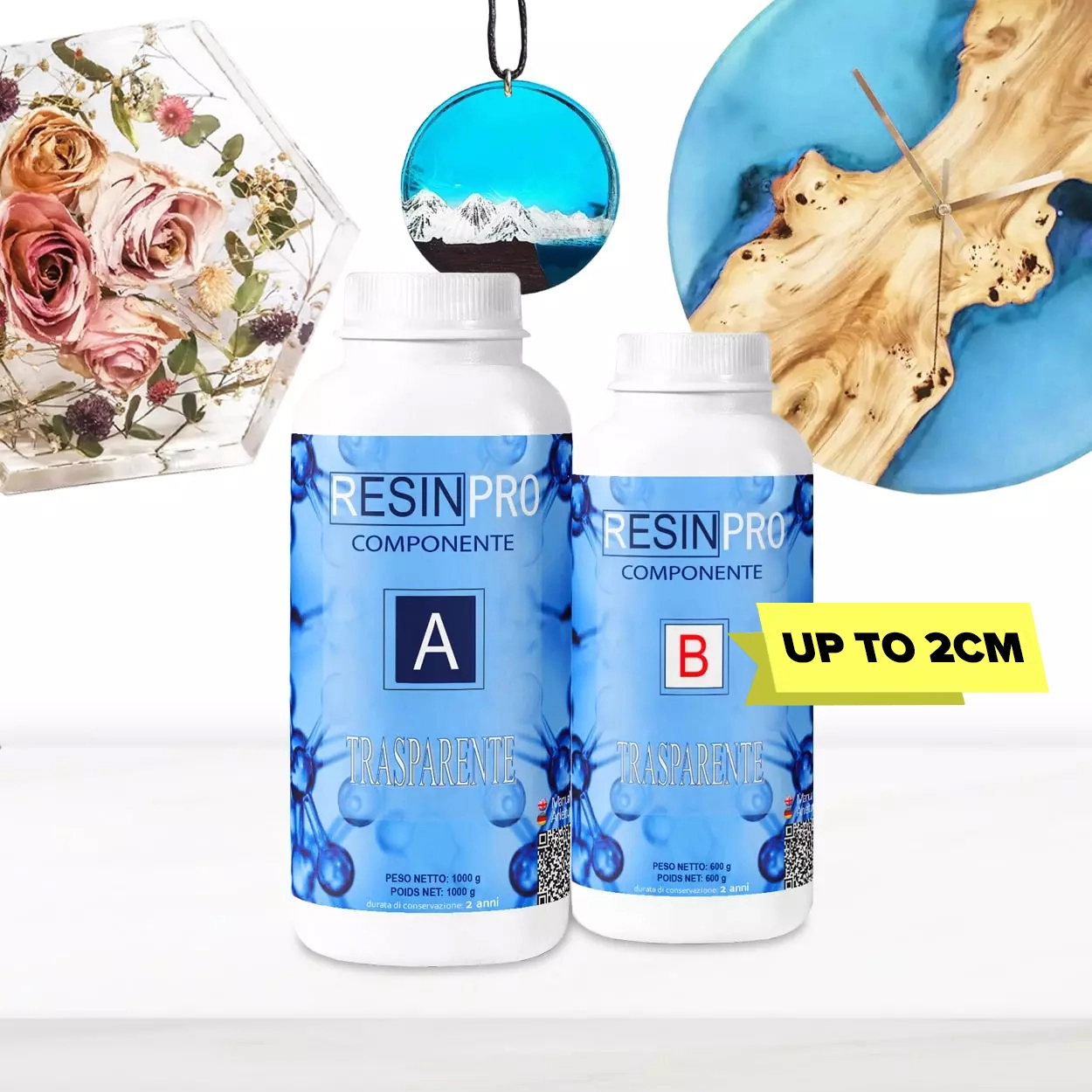 "Trasparente" – Multipurpose Clear Epoxy Resin for Casting – Up to 2cmPrice range: £8.95 through £397.95"Trasparente" is a clear casting epoxy resin suitable for layers up to 2cm, designed for detailed casting and DIY applications in bathroom renovation.
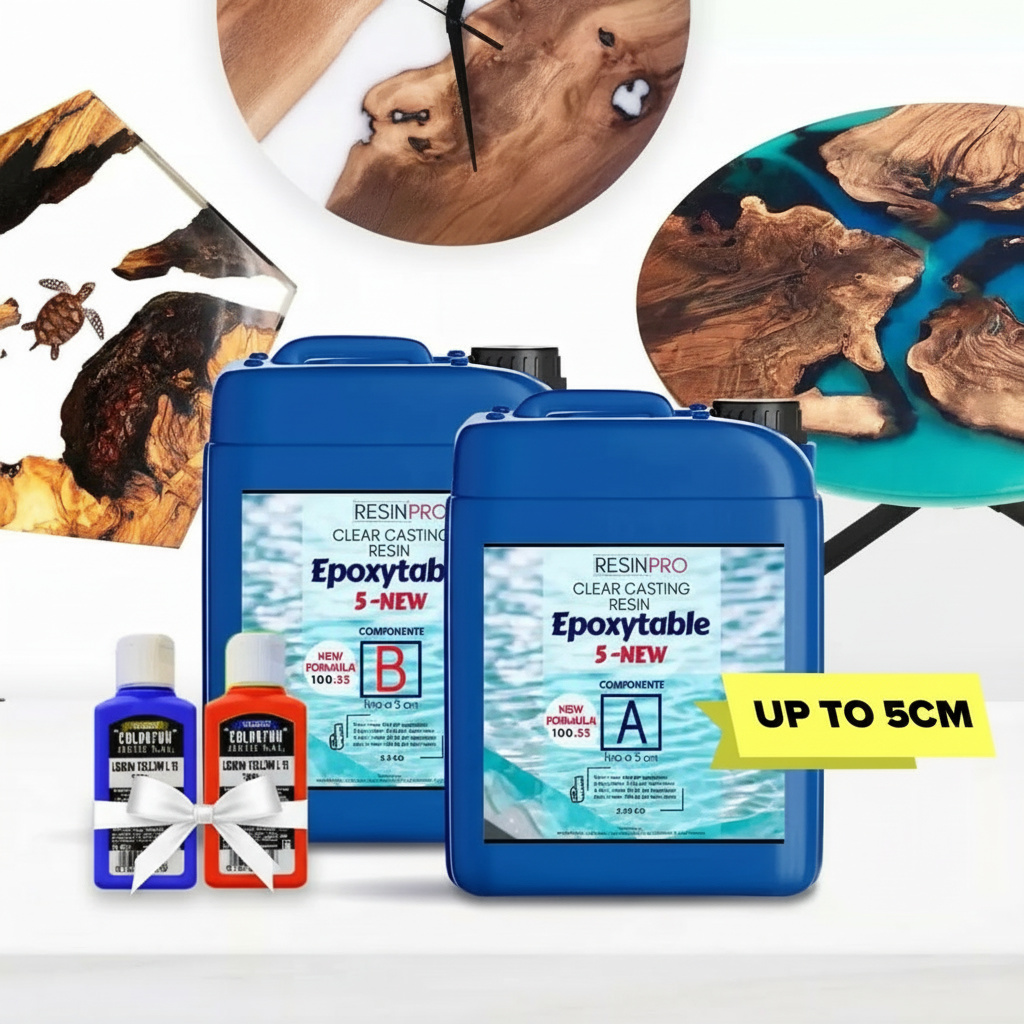 "EpoxyTable 5-Five" – Deep Pour Epoxy Resin for Tables and Large Projects – Up to 5cmPrice range: £17.95 through £1,154.95"EpoxyTable 5-Five" is designed for deep pour projects up to 5cm, suitable for tables and large artistic applications.
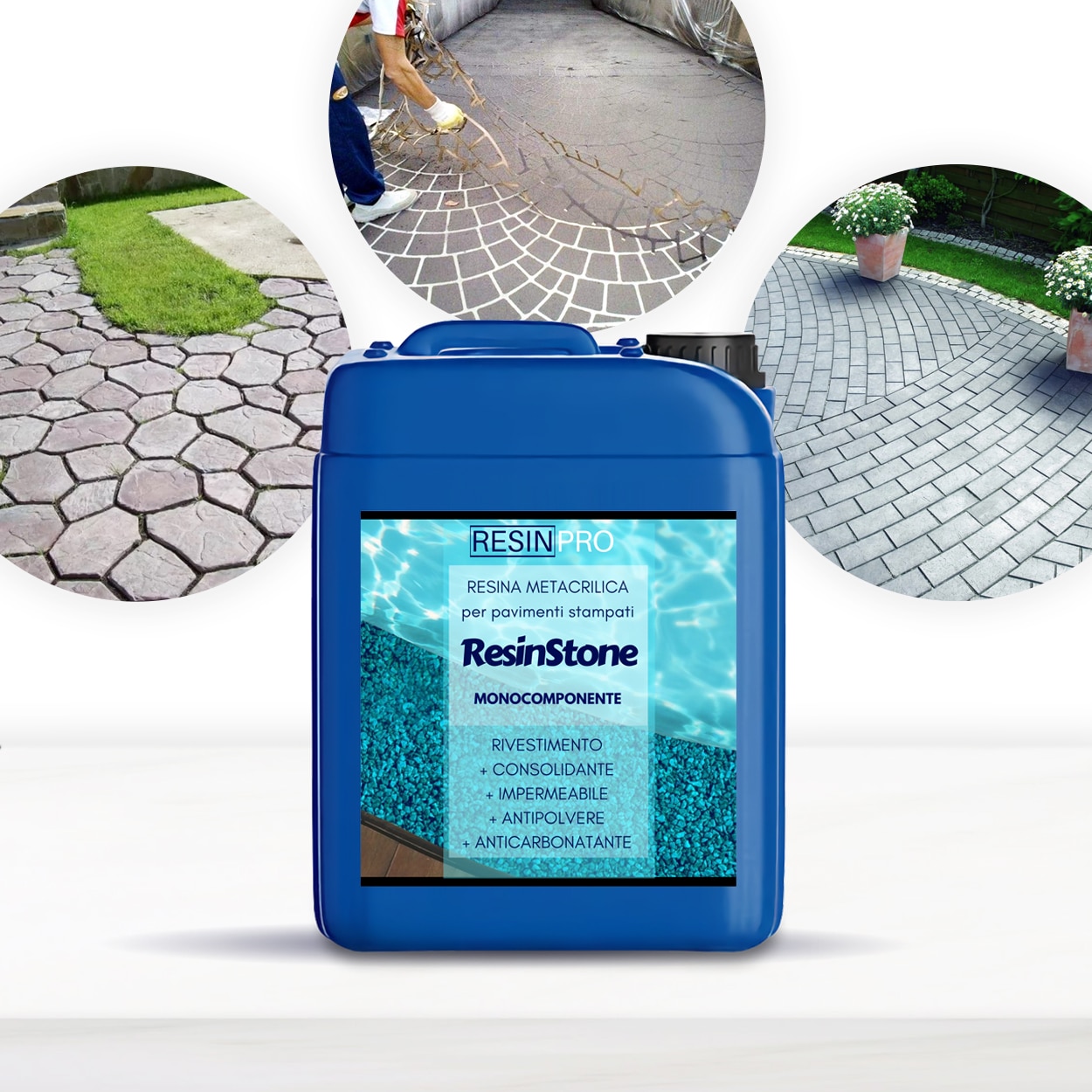 "Resinstone" – One-Component Methacrylic Resin for Concrete Floors and DrivewaysPrice range: £36.71 through £336.48Resinstone is a one-component methacrylic resin suitable for sealing and protecting concrete floors and driveways, offering durable and fast-drying…
Frequently Asked Questions
Can I resurface old bathroom countertops with resin?
Yes, resin kits like the Stone Effect Collection are designed for this purpose and provide durable, water-resistant results ideal for bathrooms.
How long does bathroom resin take to cure?
Cure times vary by product, but most resins require 24 to 72 hours for complete hardening; always follow the manufacturer’s instructions.
Is resin slip resistant in bathrooms?
Resin creates a smooth finish; for extra slip resistance, add non-slip additives or lightly sand the final layer after curing.
Can I apply resin over existing tiles?
Yes, but tiles must be degreased, sanded, and any loose tiles secured to ensure proper adhesion before resin application.
Which type of resin is best for bathroom floors?
A methacrylic or epoxy resin specifically formulated for flooring, like Resinstone, is recommended for moisture resistance and durability.
How do I clean resin surfaces in a bathroom?
Use mild detergent and a soft cloth or sponge. Avoid abrasive cleaners or scouring pads to preserve the resin’s finish and clarity.
Is resin safe for bathroom renovations?
When used as directed, modern resins are non-toxic once fully cured and appropriate for bathroom environments.