 Free shipping on orders over £29,85
  Shipping Tracking!


 Google
 Facebook
← Back to How do you repair a resin cement coating?
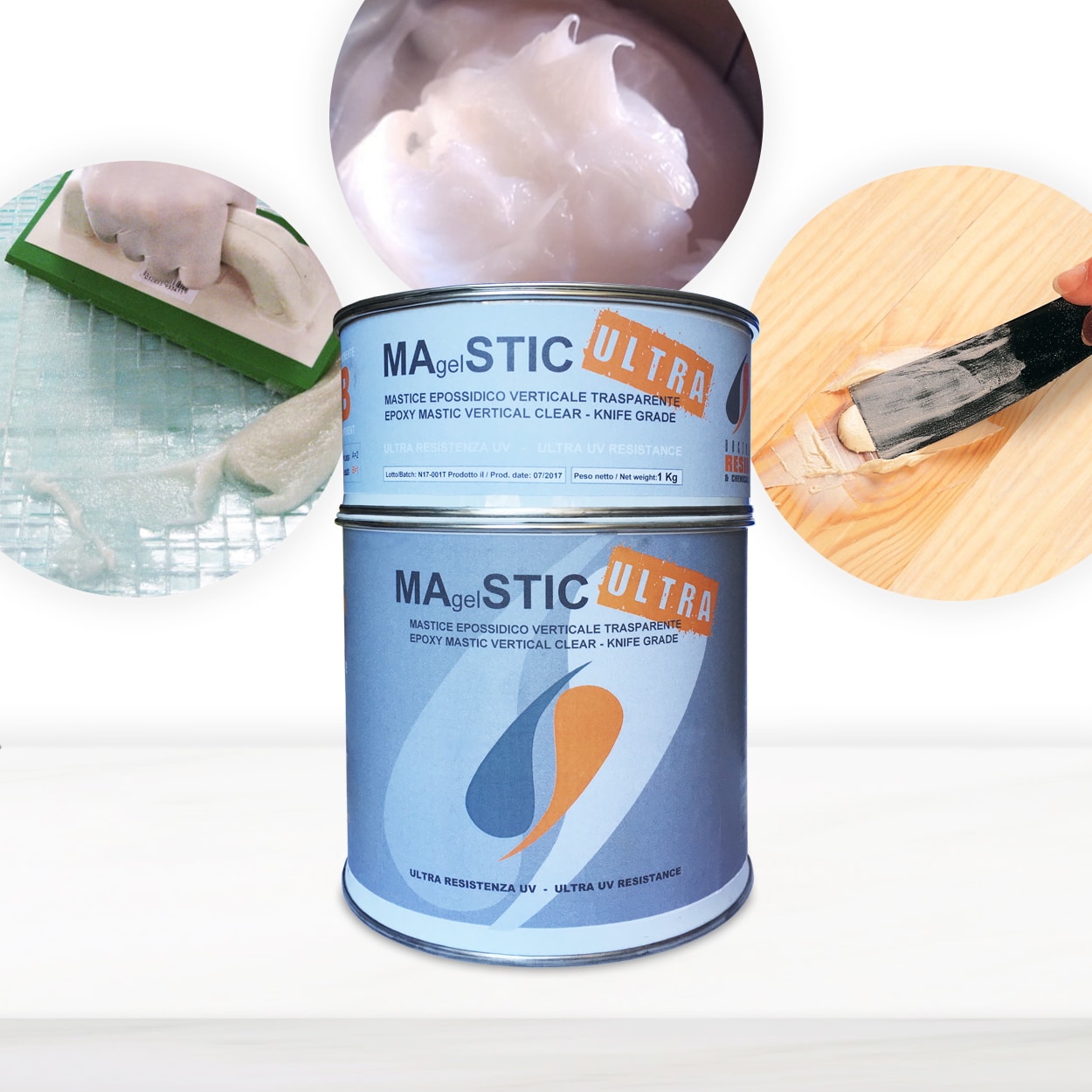
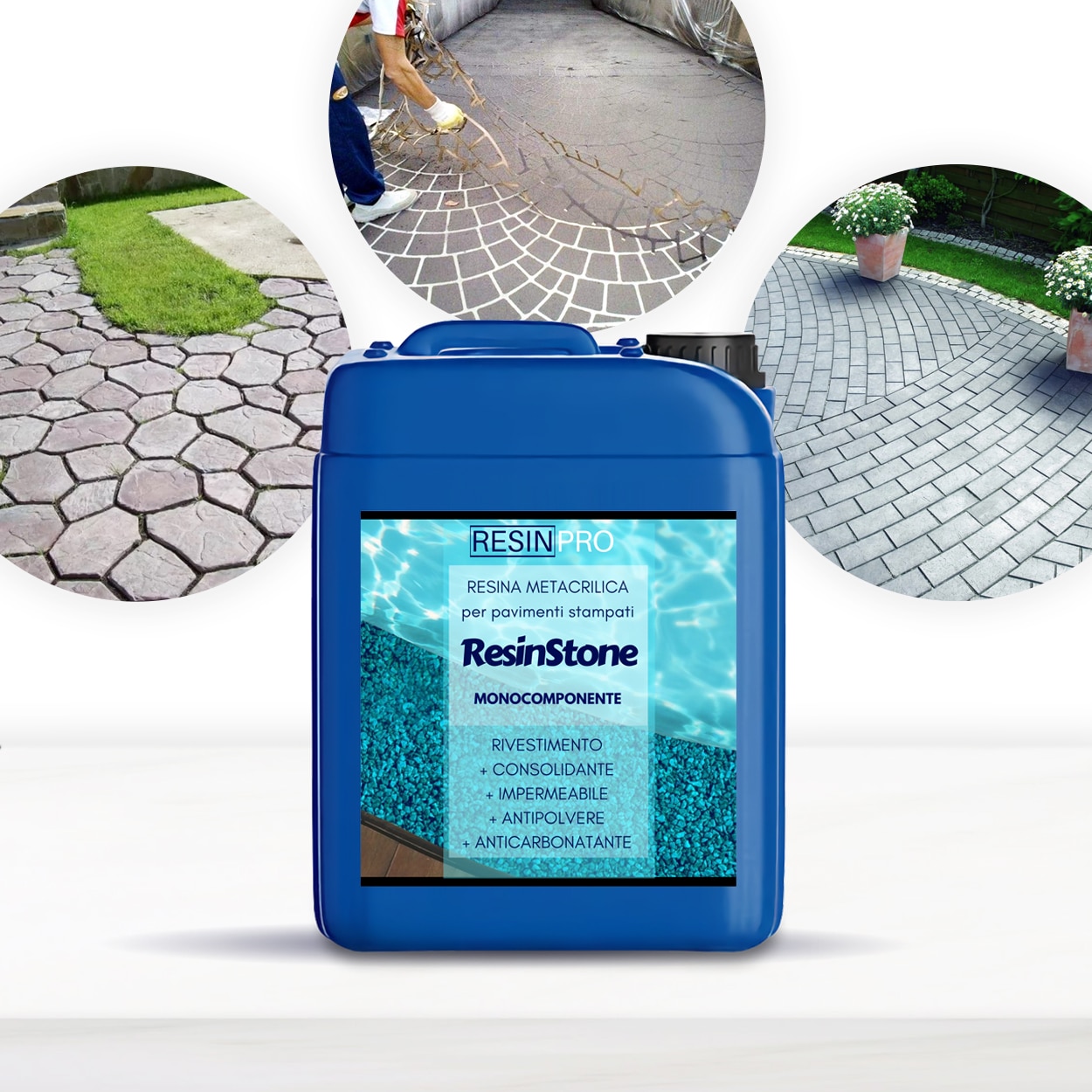
Epoxy mastic is a popular choice for repairing and filling cracks or gaps in cementitious or resin surfaces. Whether you need to sand after applying it depends largely on the finish you want to achieve before additional coatings or sealing.
When is Sanding Required After Epoxy Mastic?
If you’re satisfied with the smoothness and appearance of the filled area, sanding may not be essential. However, if you desire a particularly flawless or level surface before recoating or sealing, gentle sanding can help remove unevenness or fine imperfections left after application. Sanding is especially useful for visible areas or where a seamless result is needed.

How to Sand and Prepare the Surface
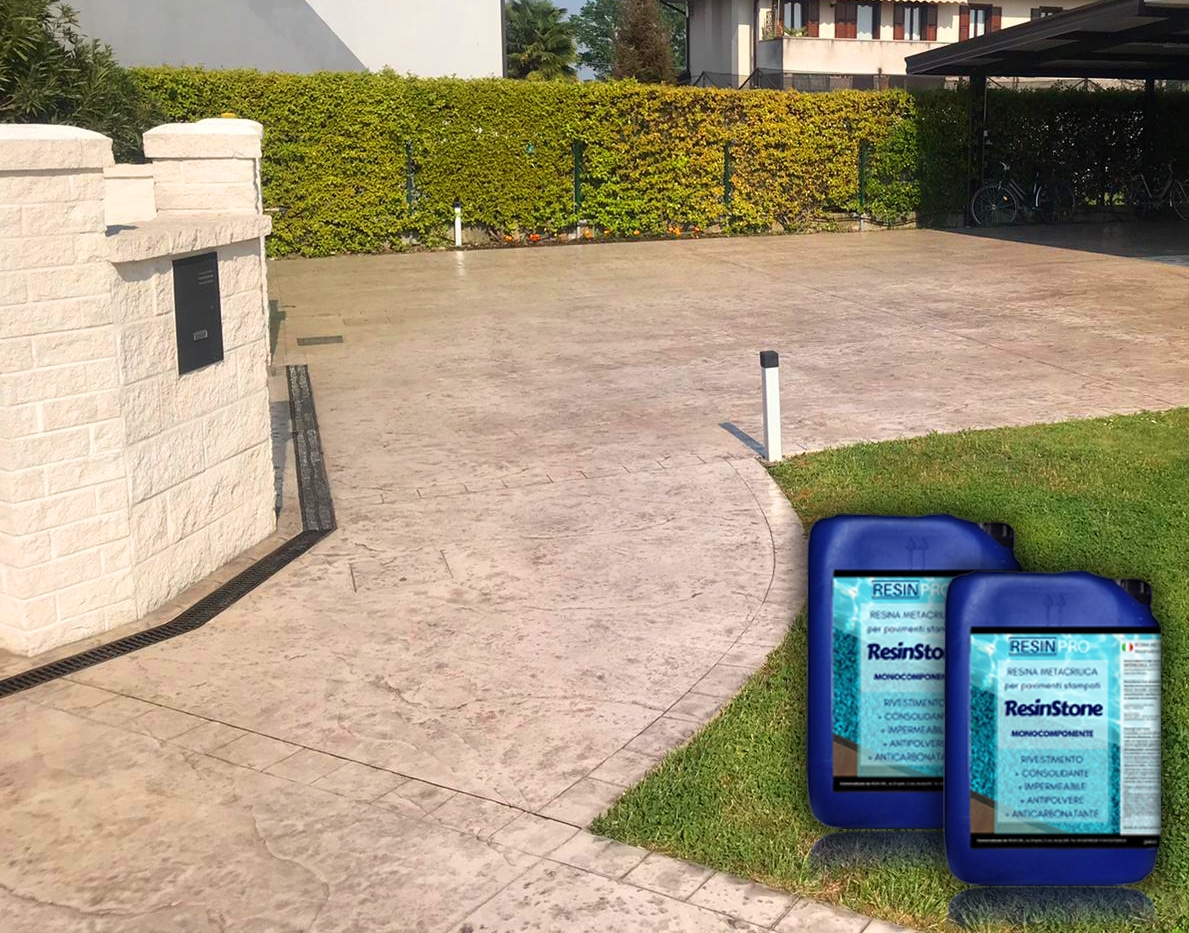
If you decide to sand, use a suitable grit sandpaper (often starting with medium, then progressing to fine) to achieve the smoothness required. Always ensure that the epoxy mastic has fully cured before sanding, and wear a dust mask for safety. After sanding, thoroughly remove all dust and debris from the repaired area—any leftover dust can compromise the adhesion of new coatings or sealers.
Practical Tips for Professional Results
- Plan to sand only where it improves the final look or grip for recoating.
- Clean the area meticulously after sanding, as even small particles can affect the finish.
- For larger repairs or vertical surfaces, products like Magelstick Epoxy Mastic provide minimal shrinkage and stay in place, making surface finishing easier.
When This Matters Most
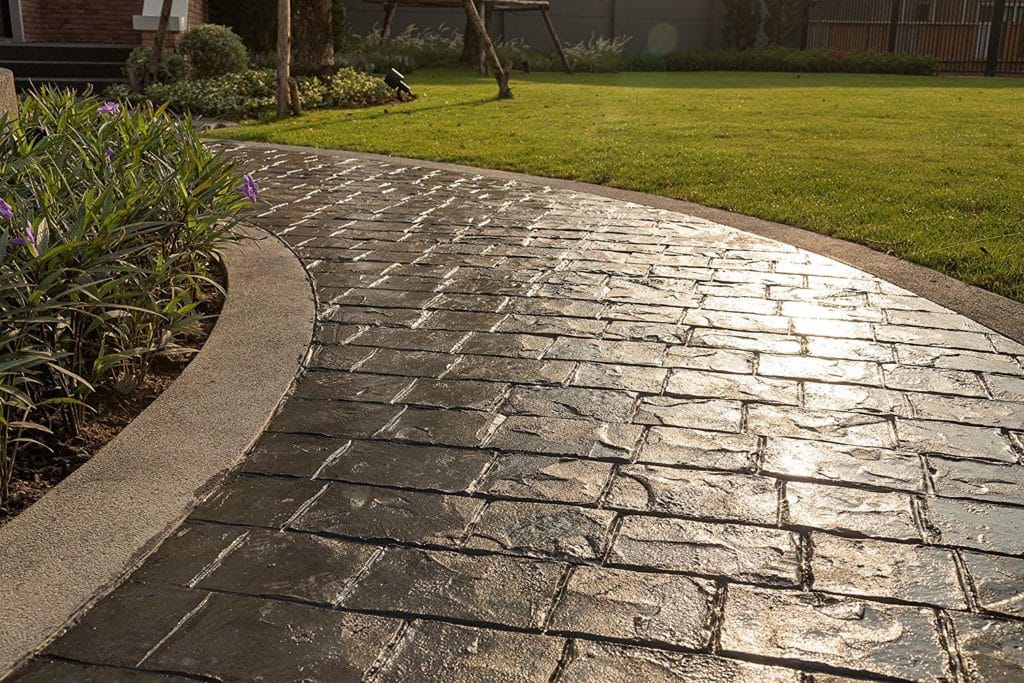
Sanding after epoxy mastic is particularly important when the repaired area is in a high-traffic or highly visible location, or if you intend to overlay the repair with another finish that highlights imperfections.
Related products
Related guides
Sanding after epoxy mastic ensures the best results where appearance and smoothness count. For more on repairing and finishing resin cement coatings, visit our main guide on how to repair a resin cement coating.