 Free shipping on orders over £29,85
  Shipping Tracking!


 Google
 Facebook
← Back to Why does the resin not harden?
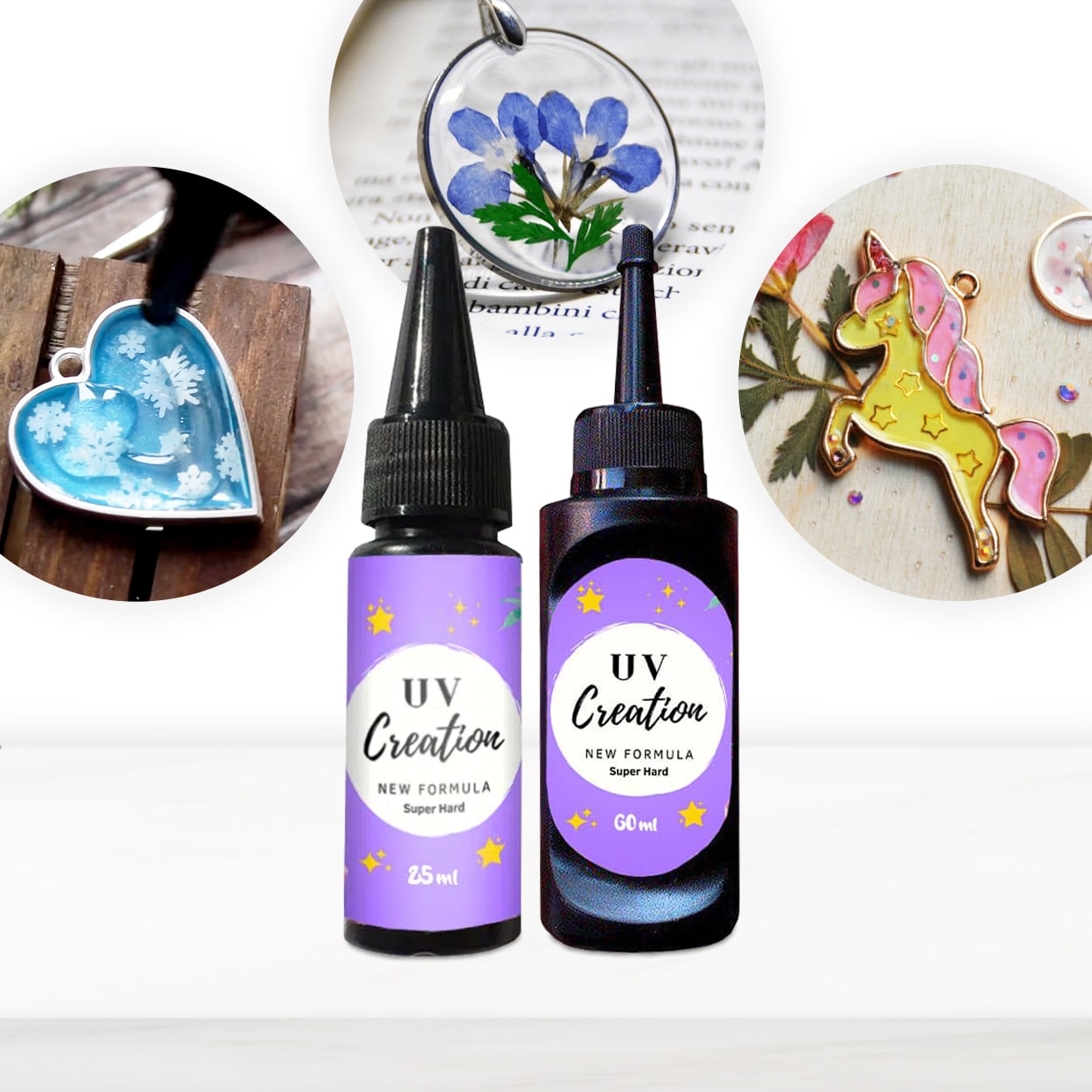
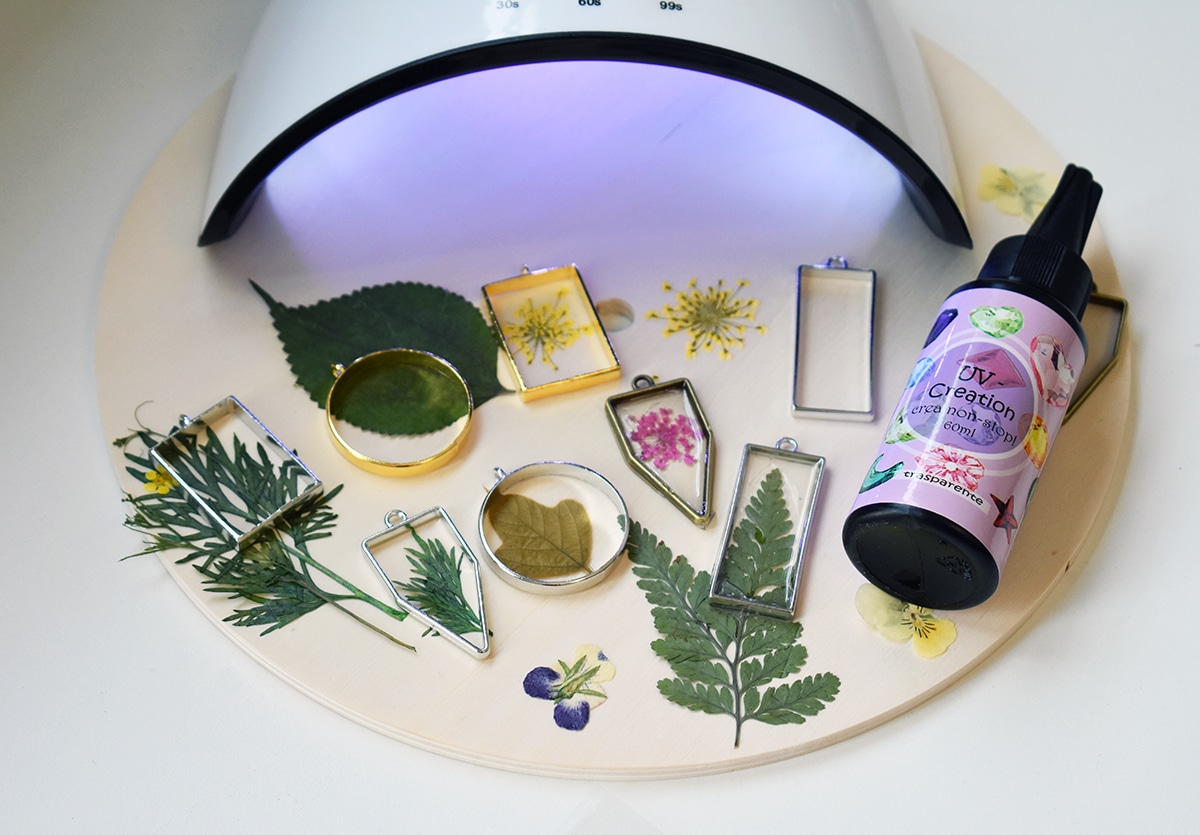
Choosing the right resin can make all the difference to the finish and durability of your projects. UV resins, fast-setting epoxies, and traditional epoxy resins each have their own unique characteristics and best-use scenarios. Here’s how these main resin types compare, so you can pick what works for your next creation.
UV Resin vs. Epoxy Resin: The Essentials
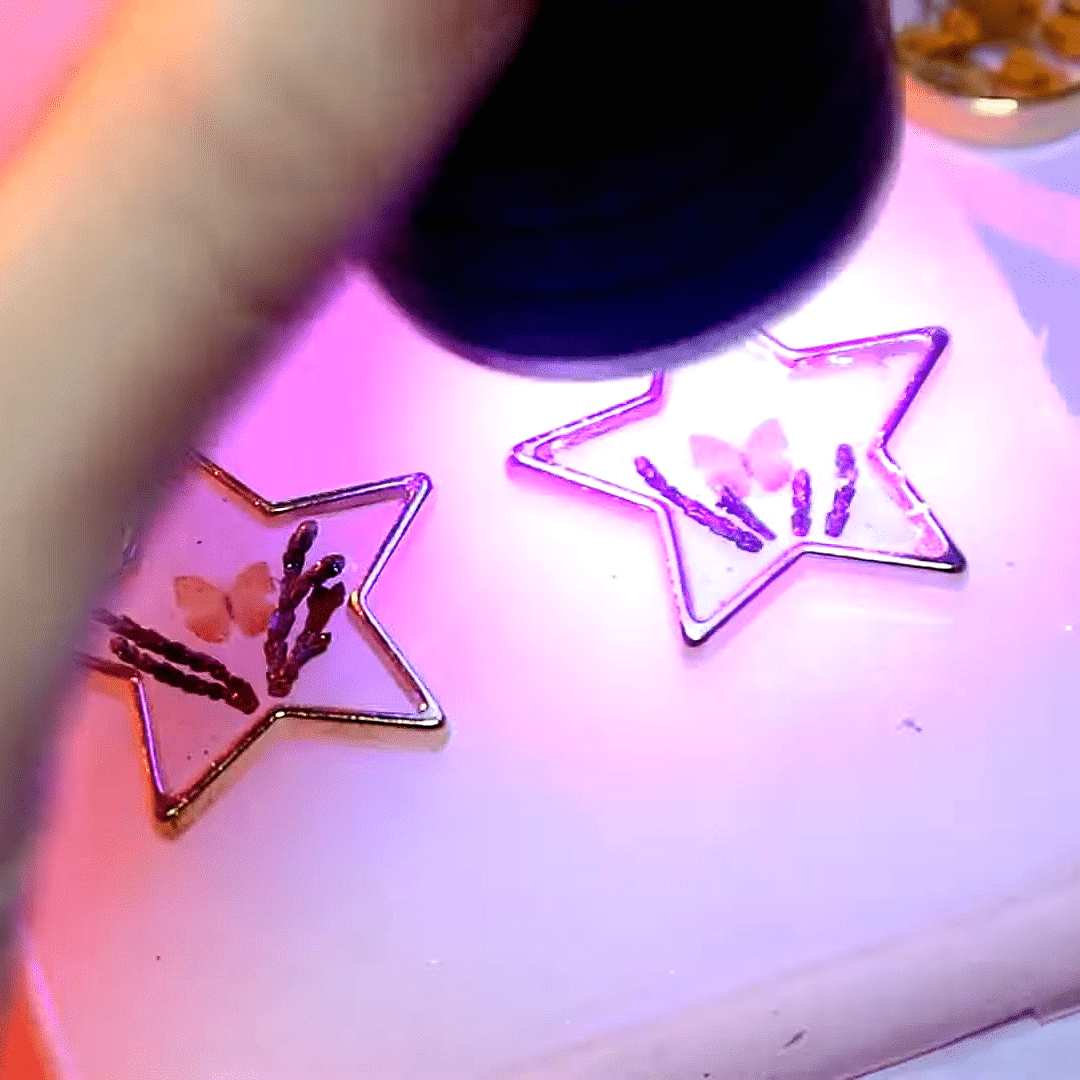
UV resin is a single-component solution that cures rapidly—typically in 2–3 minutes—when exposed to the correct UV light. It’s ideal for small, quick projects like jewellery or crafts that need an instant hard finish. Epoxy resins, on the other hand, are usually two-part formulas that start the curing process when mixed and harden over several hours.
- UV resin is ready-to-use with no mixing needed.
- Epoxy resin requires careful mixing, commonly with ratios like 2:1 or 1:1 depending on the type.
- For example, UV–Creation offers breeze-fast cures and glossy, clear results.
Choosing Between Fast-Set and Standard Epoxy Resins
There are several epoxy resins tailored to different tasks. Fast-set varieties like ICREATION enable demoulding in as little as 6 hours, making them perfect for rapid turnaround projects. Standard epoxy resins such as Icrystal may take longer to fully cure, but they offer greater working time—ideal for detailed coatings or artistic pours up to 1.5cm thick per layer.
- Fast-set epoxies speed up production but may not suit very large or thick casts.
- Standard epoxies allow for gradual working and are suitable for beginners and professionals alike.
Mixing and Application: Why It Matters
Resin performance often comes down to proper mixing and application. Some resins, like One-2-One, simplify preparation with a straightforward 1:1 ratio by volume, reducing risk of errors. Others require mixing by weight or specific ratios for best performance. Application thickness and curing environment are also vital—going beyond recommended layer thickness can lead to incomplete curing.
When This Matters
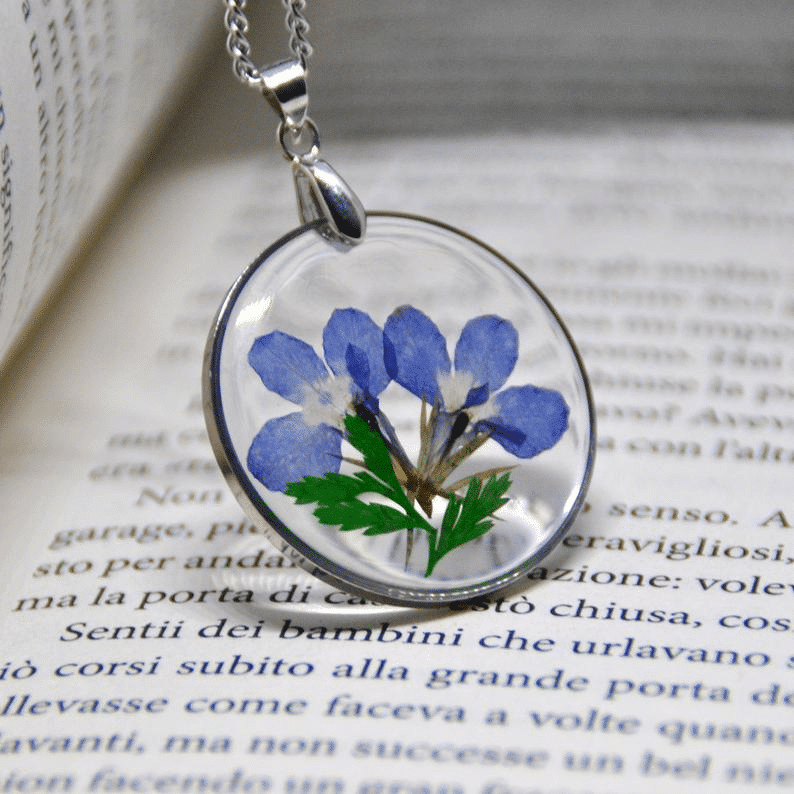
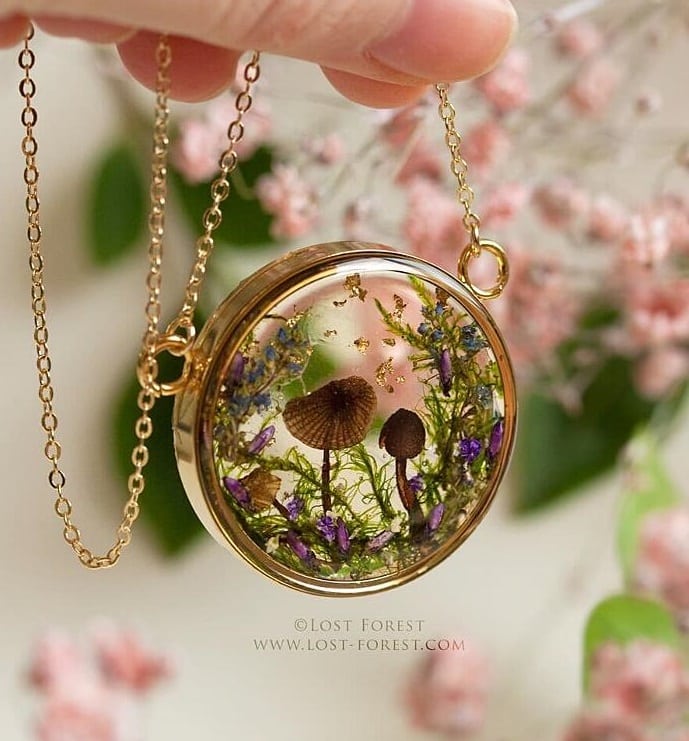
Your project type should guide your resin choice. If you want a fast, clear finish for jewellery, UV resin excels. For table coatings or deep pours, a suitable epoxy resin with proper thickness guidance is better. Always consider curing time, layer depth, and ease of use.
Related products
Related guides
Whether you’re aiming for fast results or a flawless artistic finish, knowing the differences between resin types helps ensure your projects cure properly and look their best. For more troubleshooting tips and selection help, see our main resource on why resins might not harden.