 Free shipping on orders over £29,85
  Shipping Tracking!


 Google
 Facebook
← Back to How do you use anchoring resin on the bars?
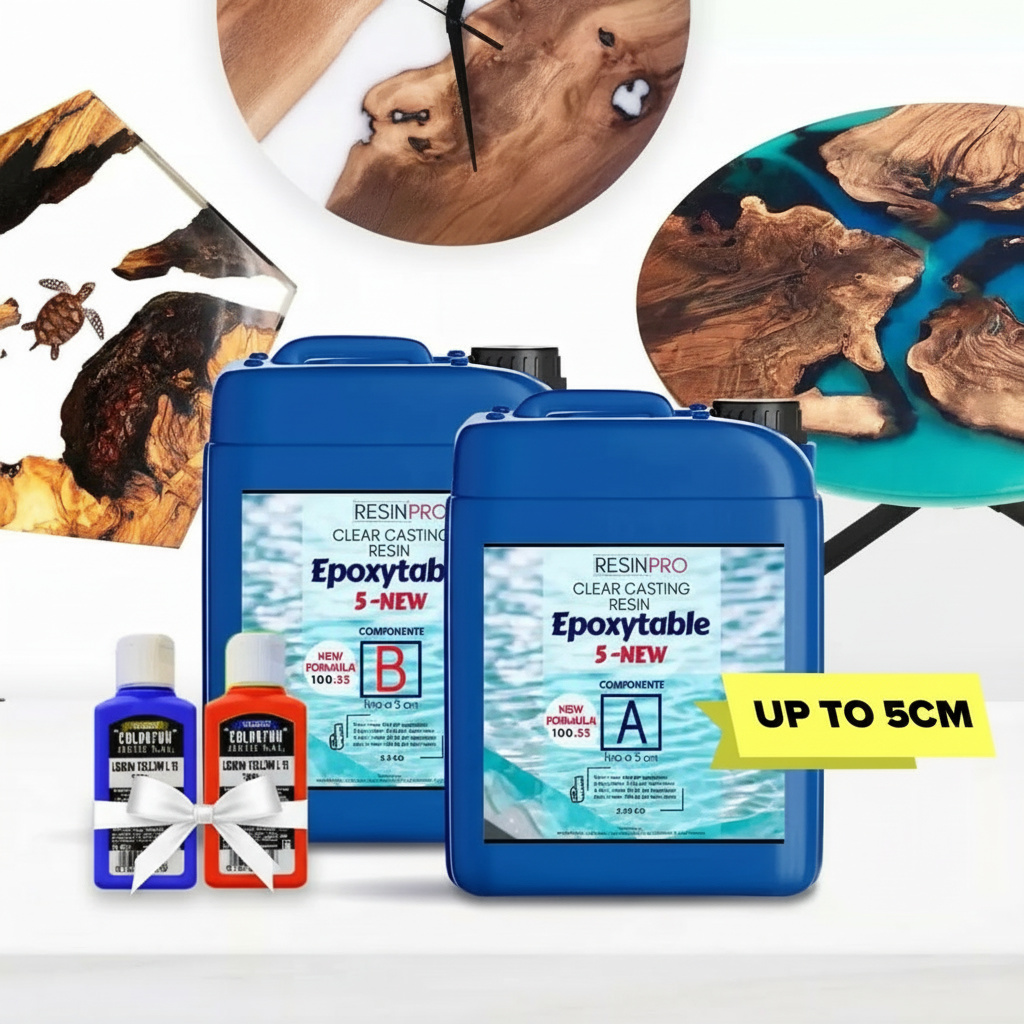
Anchoring resin is often used in projects requiring a deep, secure bond within bars, posts, or fittings. When dealing with greater depths, layering your resin pour is crucial for a strong, reliable result.
Why Layering Is Important
Pouring resin in a single, deep layer can lead to overheating, poor curing, or bubbles trapped inside the resin. Manufacturers generally recommend pouring in layers when the depth exceeds the resin’s designed maximum for a single pour. Layering helps each section cure more thoroughly, reduces stress on the resin, and results in a stronger, longer-lasting anchor.
Practical Layering Guidance
Check your chosen resin’s recommended maximum pour thickness. For example, EpoxyTable 5-Five is suitable for layers up to 5cm at a time, while Epoxytable 10-Ten can be used for layers up to 10cm. If your anchor cavity is deeper, pour the first layer, allow a partial cure—usually until it is firm yet still slightly tacky—then proceed with the next layer. This method improves adhesion between layers and enhances overall stability.
When Layering Matters Most
Layering is particularly important for large diameter or deep anchors, as well as in applications where high mechanical strength is essential, such as supporting heavy structures or in artistic deep castings. Following proper layering will help prevent defects or weak spots that can arise from a single thick pour.
Related products
Related guides
Correct layering techniques are vital for deep resin anchoring projects. For more detailed advice and product recommendations, return to our main guide on using anchoring resin on bars.