 Free shipping on orders over £29,85
  Shipping Tracking!


 Google
 Facebook
← Back to Which product should I use for resin on peaches?
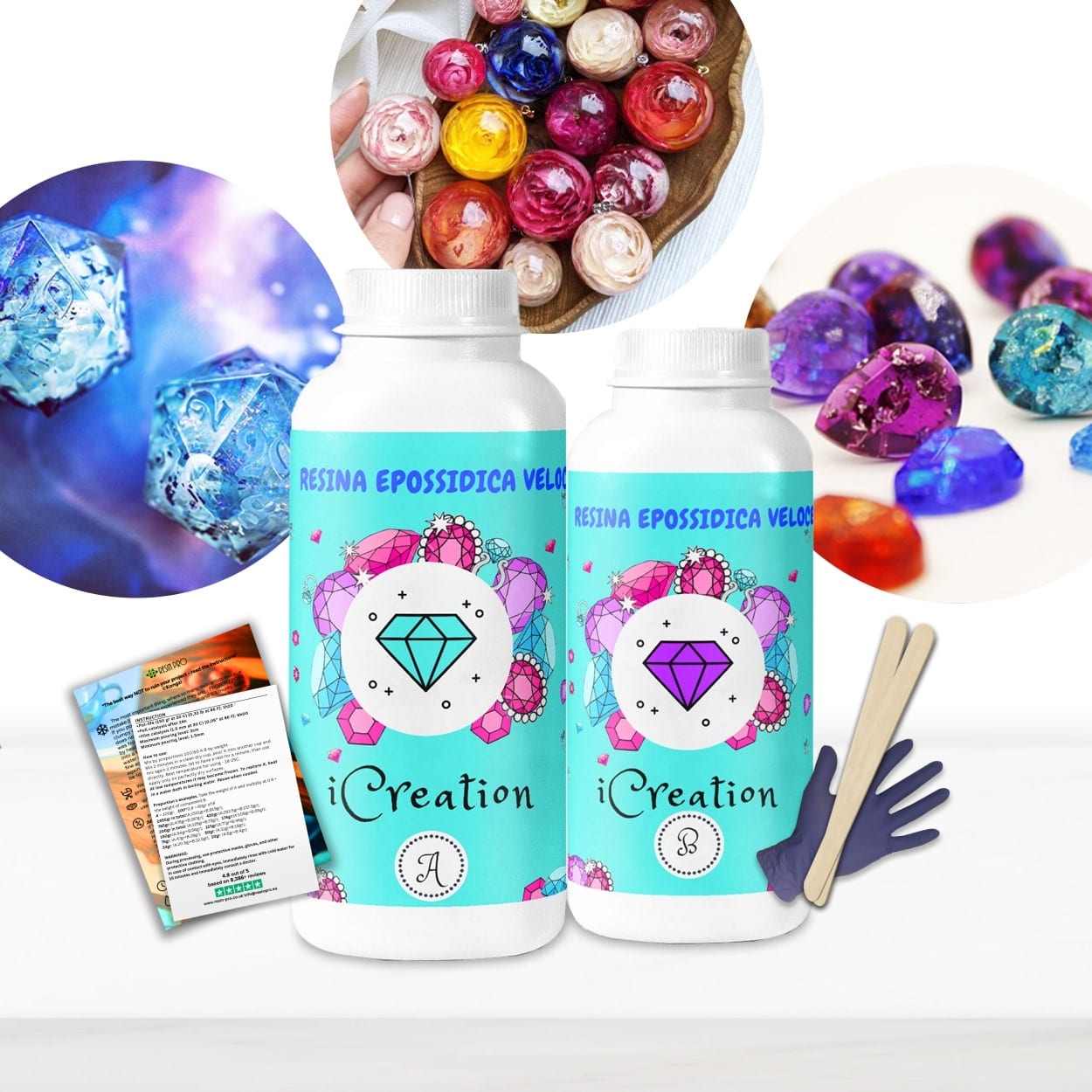
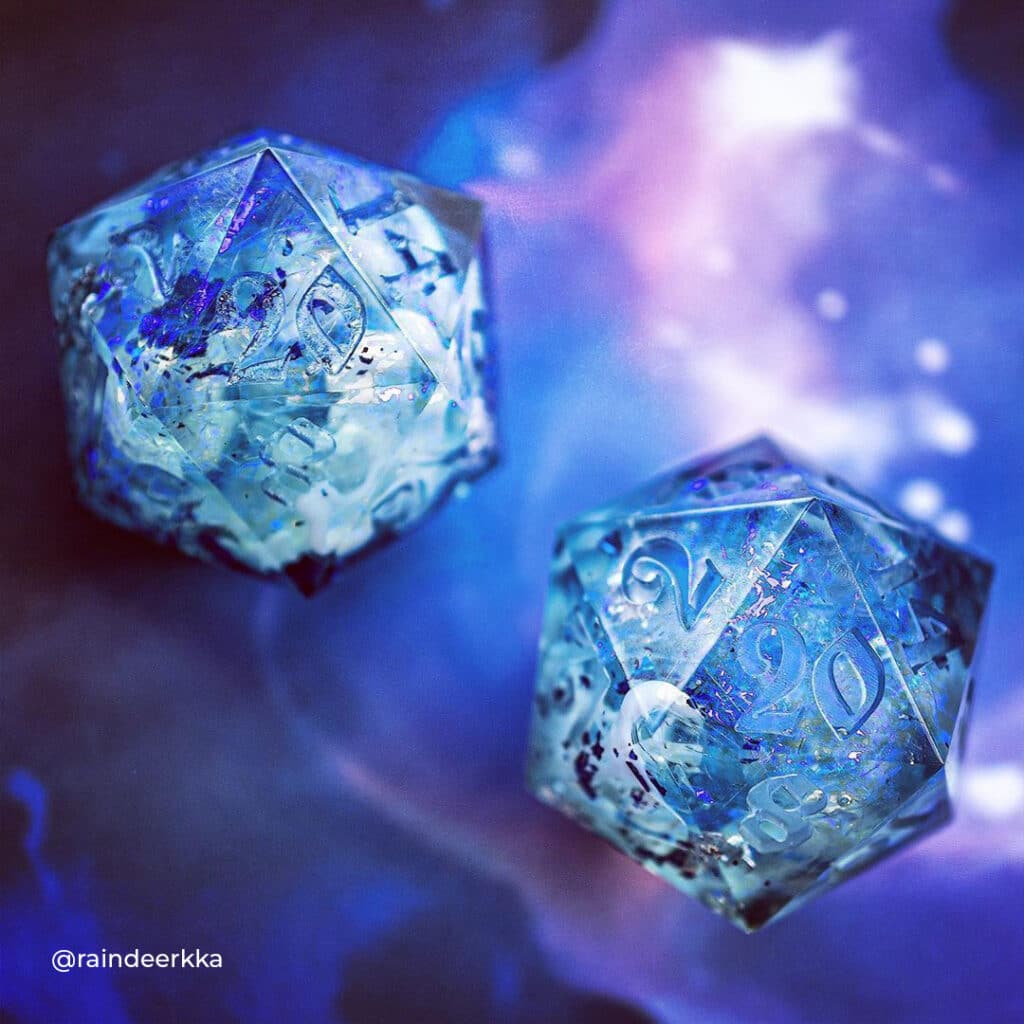
Layering epoxy resin can add depth, shine, and durability to handmade jewellery, art, and craft creations. Getting the process right helps achieve a flawless, glassy finish and allows for creative effects in each layer.
Choosing the Right Resin for Layering
When planning to apply multiple resin layers, choose a product suited to your project’s detail and thickness requirements. For intricate moulds or jewellery, Liquidissima epoxy resin offers low viscosity and excellent transparency, ideal for building up delicate details over multiple coats. Fast-setting options like ICreation resin are perfect if you want to speed up your workflow between pours while still achieving a strong, glossy finish. Always follow the manufacturer’s recommended maximum thickness per layer—products such as ICrystal are designed for up to 1.5 cm, while some craft resins allow up to 2 cm in a single pour.

Best Practices for Layering Techniques
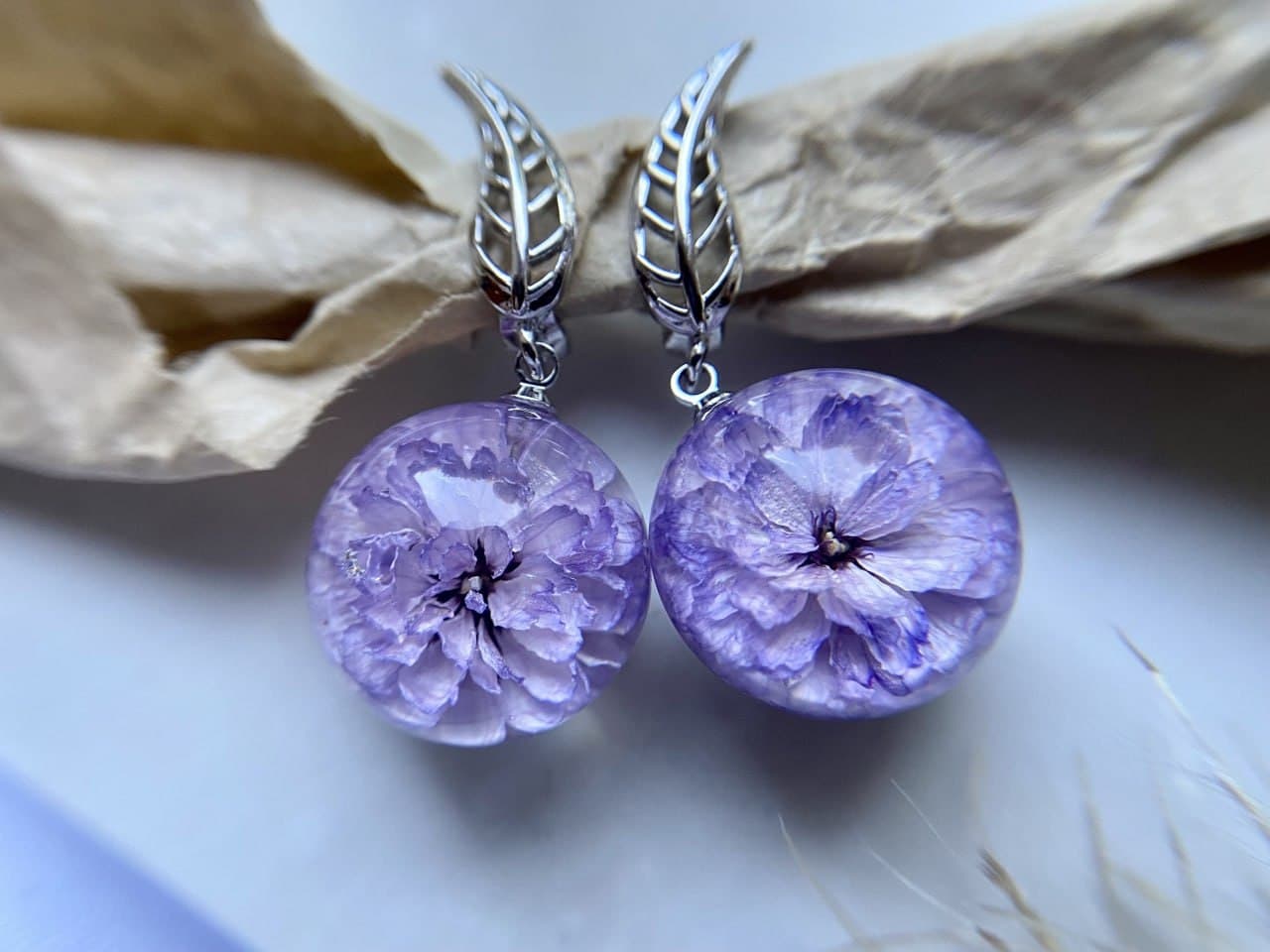
To achieve smooth layers, pour each resin coat only after the previous layer is adequately cured—typically when it is firm but still slightly tacky. This technique helps each layer bond without visible seams or air bubbles. Use mixing tools and a gentle hand to avoid introducing bubbles, and work in dust-free conditions to prevent surface imperfections. For especially thick or deep projects, stage your pours and let each section rest as suggested in your resin’s instructions. Patience is key for pristine, professional-looking results.
When Layering Matters Most
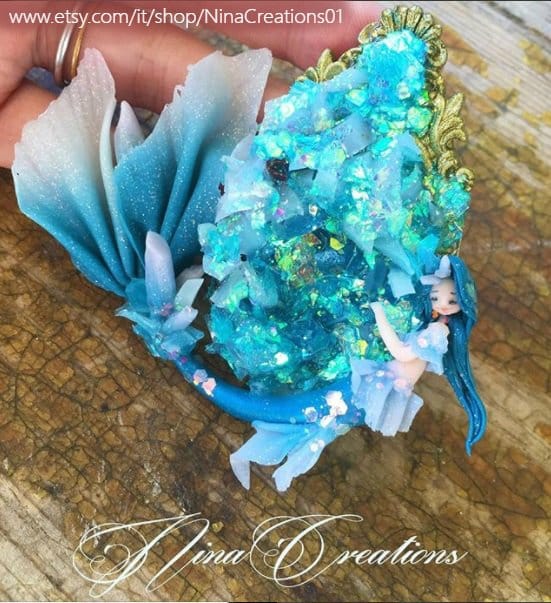
Layering is especially important when your design features embedded items, colour gradients, or needs greater depth and clarity—such as in resin jewellery, memorial keepsakes, or decorative castings. It’s also essential if your chosen resin has specific limitations on single-pour thickness, as exceeding those can cause cloudiness or distortion.
Related products
Related guides
Mastering the art of layering resin opens up a world of creative possibilities in crafts and jewellery making. For insights on the best materials to use for specific projects, including working with delicate items such as peaches, explore our broader advice on choosing resin for unique surfaces.