 Free shipping on orders over £29,85
  Shipping Tracking!


 Google
 Facebook
← Back to Where to buy two-component resin?
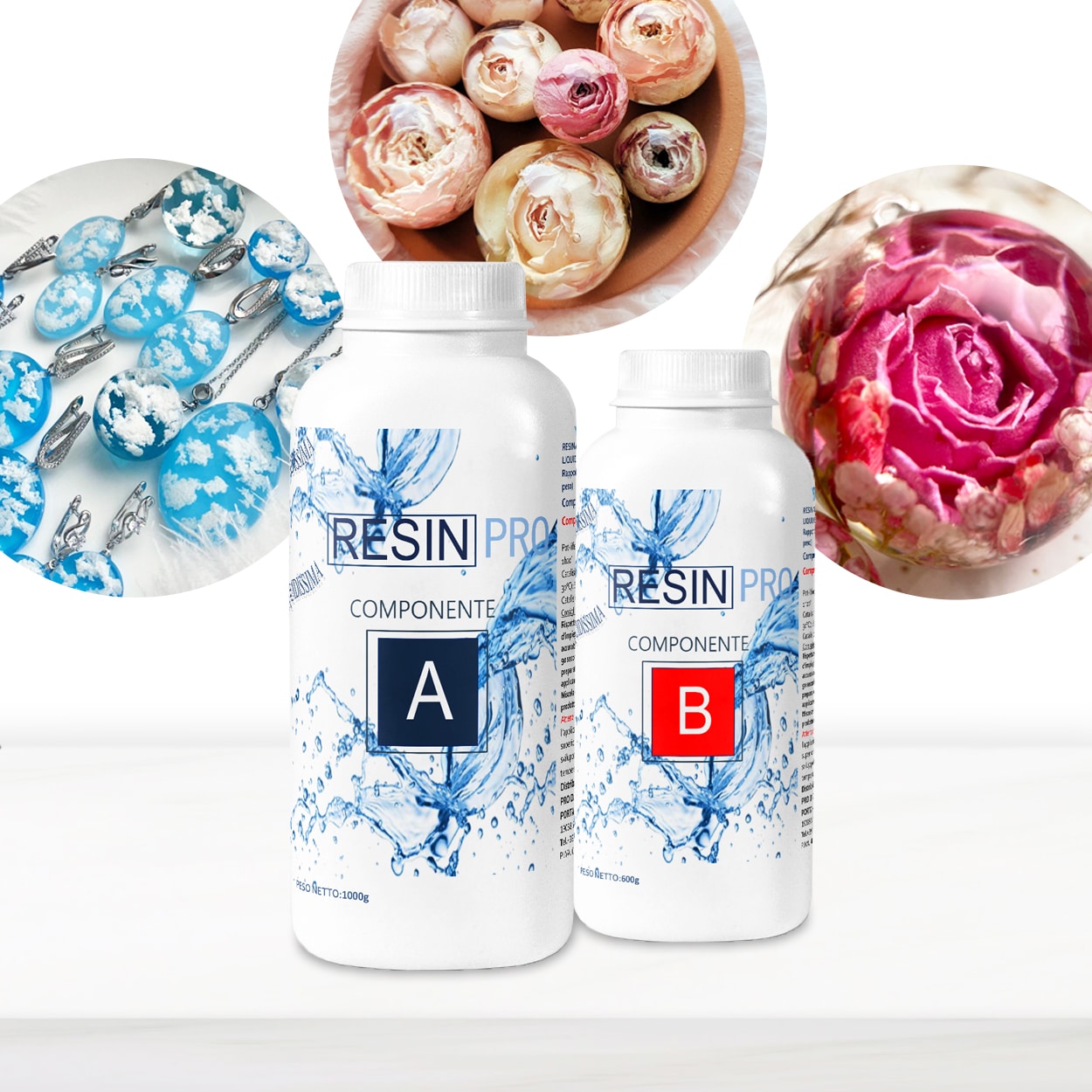
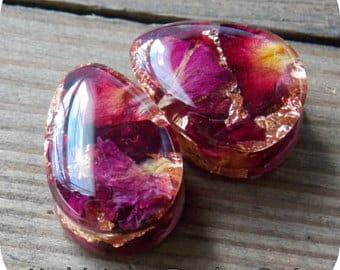
Low viscosity epoxy resins have become a favourite among artists and jewellers for their exceptional flow and clarity. But what sets them apart, and when should you consider using them in your next project?
What Is Low Viscosity and Why Does It Matter?
Viscosity refers to how easily a liquid flows. A low viscosity resin is thinner and flows more readily than its thicker counterparts. This easier flow allows the resin to seep smoothly into fine details, complex moulds, and tiny crevices, making it popular for projects where precision and a bubble-free finish are important.
- High detail: Easily fills intricate mould designs and settings.
- Smoother surfaces: Reduces the risk of air pockets or bubbles for a clearer, glasslike finish.
Ideal Uses for Low Viscosity Epoxy Resin
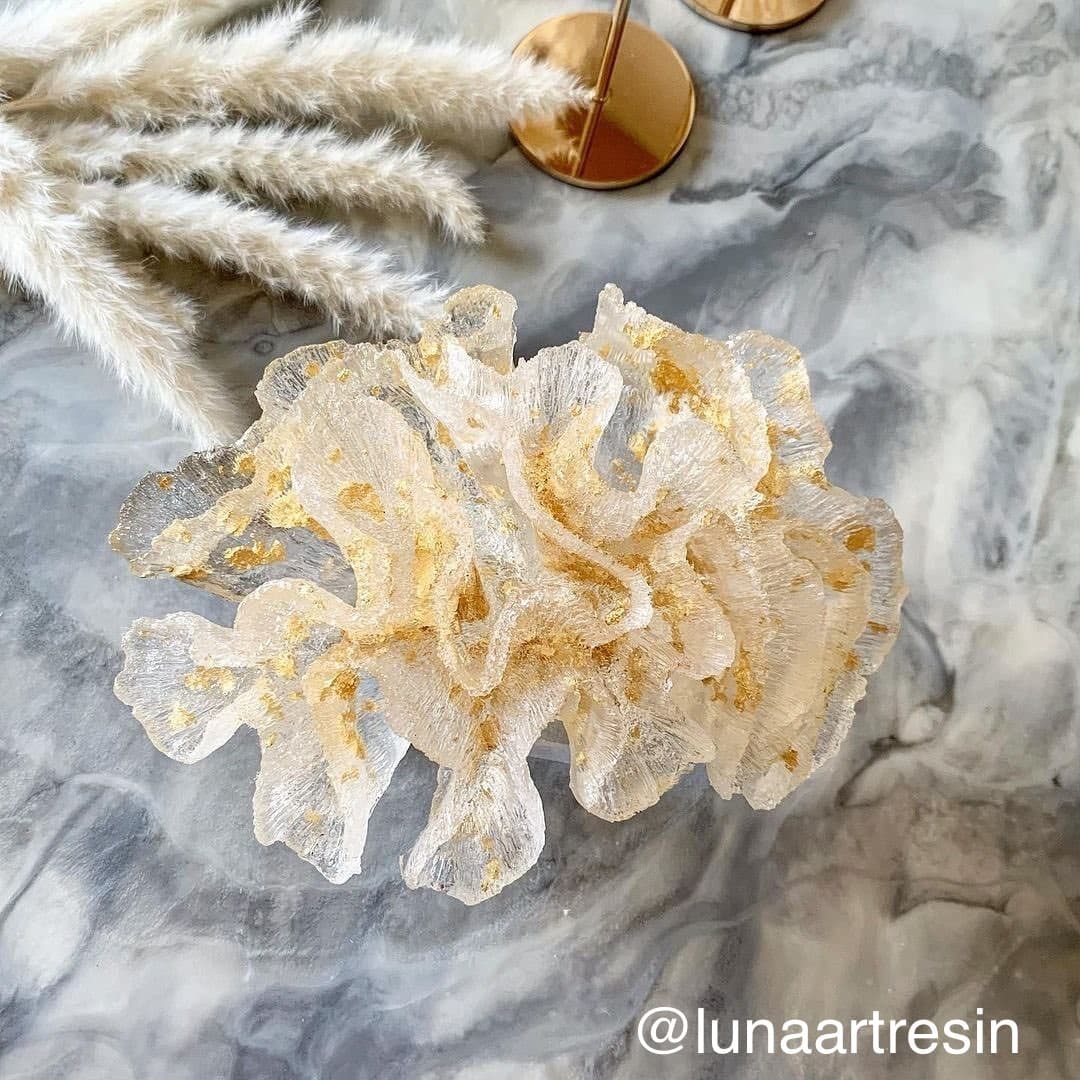
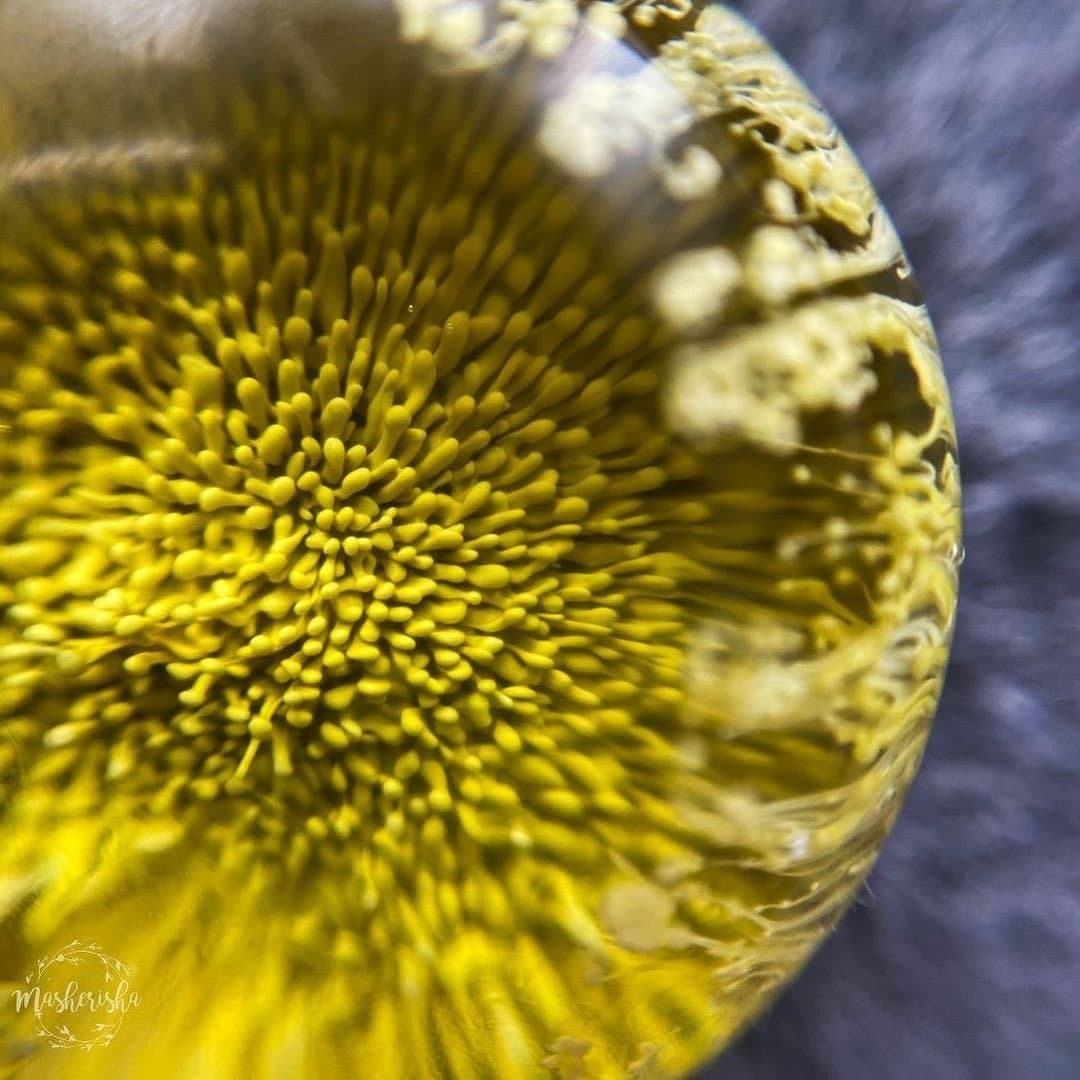
If you’re crafting resin jewellery or decorative art with delicate features, low viscosity formulas like Liquidissima are especially effective. They’re suitable for casting up to 1 cm thickness and deliver high transparency, which is vital for pieces where clarity is the showcase. These resins are also compatible with epoxy dyes, perfect for custom colour effects within a controlled range.
Tips for Working with Low Viscosity Resin
For best results, always work on a level surface and in a dust-free environment. Mix the two components thoroughly, following the recommended ratios. Since low viscosity resins self-level well, they can cut down on sanding and finishing work. However, avoid pouring layers thicker than recommended, as this can affect curing and clarity.

When This Matters Most
Low viscosity matters when you need flawless results in small, detailed moulds—such as resin jewellery, miniature art, or components with fine engraving. The effortless flow achieves a professional look with minimal post-processing effort.
Related products
Related guides
Choosing the right resin means understanding its properties—low viscosity is a top choice for intricate, detailed work. To explore more options suited for your creative needs, see our main guide on where to buy two-component resin.