 Free shipping on orders over £29,85
  Shipping Tracking!


 Google
 Facebook
← Back to What happens to epoxy resin at low temperatures?


Low viscosity is a key characteristic when choosing an epoxy resin, particularly for flooring and decorative applications. Understanding its role helps ensure a smooth, durable finish—especially when working with aggregates or creating intricate designs.
What Is Low Viscosity and Why Is It Important?
Viscosity refers to a liquid’s resistance to flow. Epoxy resins with low viscosity are thinner and flow more easily, enabling them to penetrate aggregates, pebbles, or gaps effortlessly. This property is crucial for achieving full encapsulation of stones or grits, which translates to a stronger, more stable surface once set.
For example, the “Trasparente” epoxy binder is designed for low viscosity, specifically to ensure that resins can coat and bind colourful pebbles and grits without trapping air bubbles.


Best Practices for Working With Low Viscosity Epoxy
- Preparation: Always prepare your aggregate or substrate by mixing thoroughly with the resin. This guarantees complete coating and minimises voids.
- Pouring and Application: Work in a clean, dust-free environment. Pour the resin steadily to allow it to flow into all gaps. For thicker layers or temperature fluctuations, follow the product’s guidance carefully.
- Temperature Awareness: Low temperatures can affect how even a low-viscosity resin behaves, potentially slowing penetration and curing. For optimal results, apply most resins—like those in complete kits for draining floors—above 10°C unless manufacturer guidance says otherwise.
When Low Viscosity Really Matters
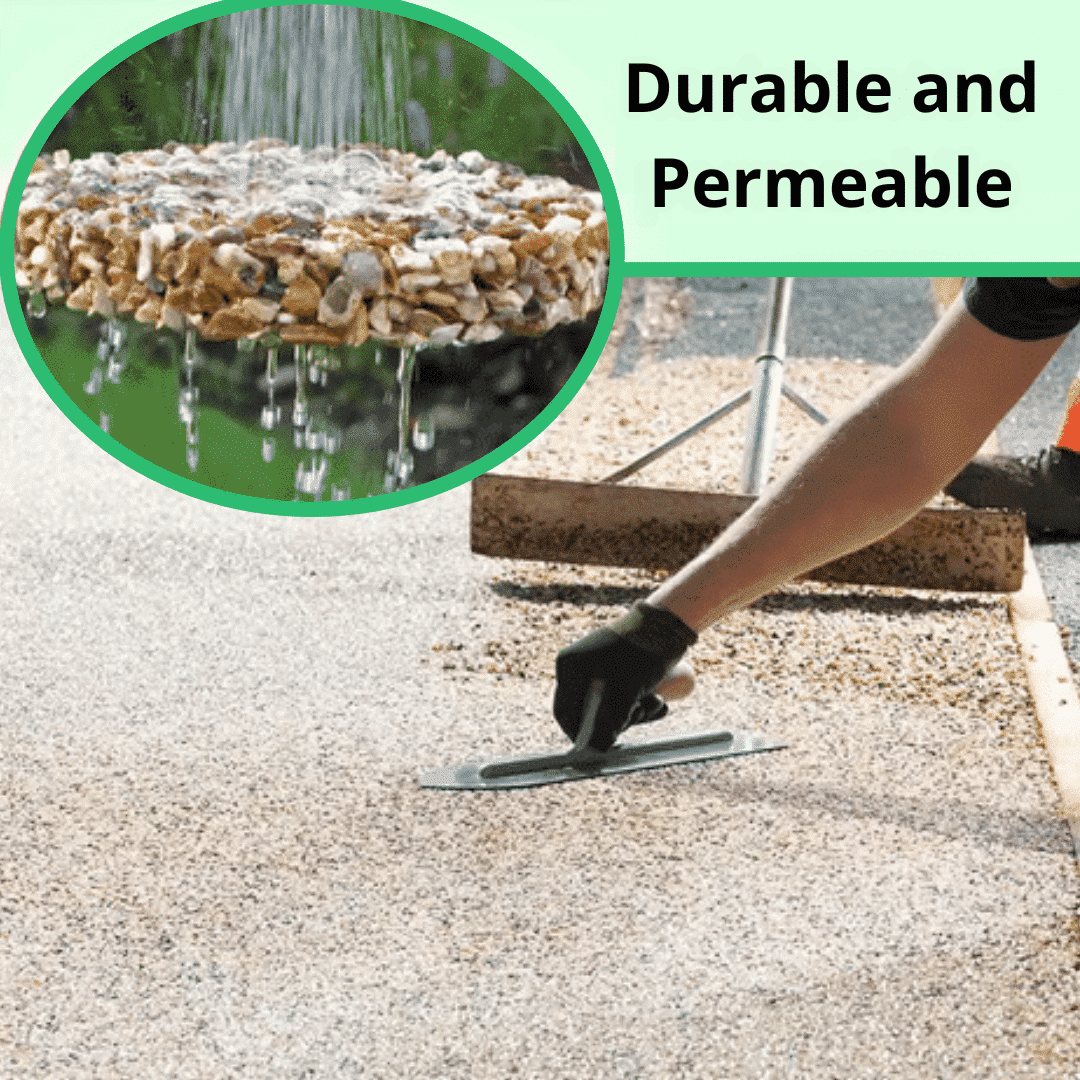
Low viscosity is especially important for outdoor projects or decorative flooring where full impregnation of aggregates is key, such as resin-bound driveways or colourful pebble paths. It also benefits applications where clarity and a bubble-free finish are desired, ensuring visual appeal and structural strength.
Related products
Related guides
Understanding and harnessing low viscosity epoxy can make all the difference in achieving strong, attractive results in your resin projects. If you’re looking to explore epoxy at varying temperatures or learn more about best practices, our main guide on epoxy behaviour in different climates is an excellent reference.