 Free shipping on orders over £29,85
  Shipping Tracking!


 Google
 Facebook
← Back to Why does resin form craters when applied?


Achieving a smooth, flawless resin finish often depends on mastering the fundamentals of viscosity and careful processing. Craters on the surface can be both frustrating and preventable with the right approach.
Why Viscosity Matters
Low viscosity resins flow more freely and self-level effectively, which helps prevent craters and air pockets from forming during the cure. Thick or improperly mixed resins can trap bubbles, leading to unwanted surface imperfections. Choosing a resin with a suitably low viscosity, such as EpoxyTable 5-Five for medium-depth pours or Epoxytable 10-Ten for deeper projects, is crucial for smooth results.

Careful Application Techniques
Thoughtful mixing and pouring play a major role in preventing craters. Always mix resin components slowly to minimise air entrapment. Pour the resin in a gentle, even layer, and avoid disturbing the surface until it begins to set. If bubbles do appear, applying a light mist of isopropyl alcohol—such as Pure Isopropyl Alcohol 99.9%—can help eliminate them, further reducing the risk of craters or pitting.
When this Matters Most
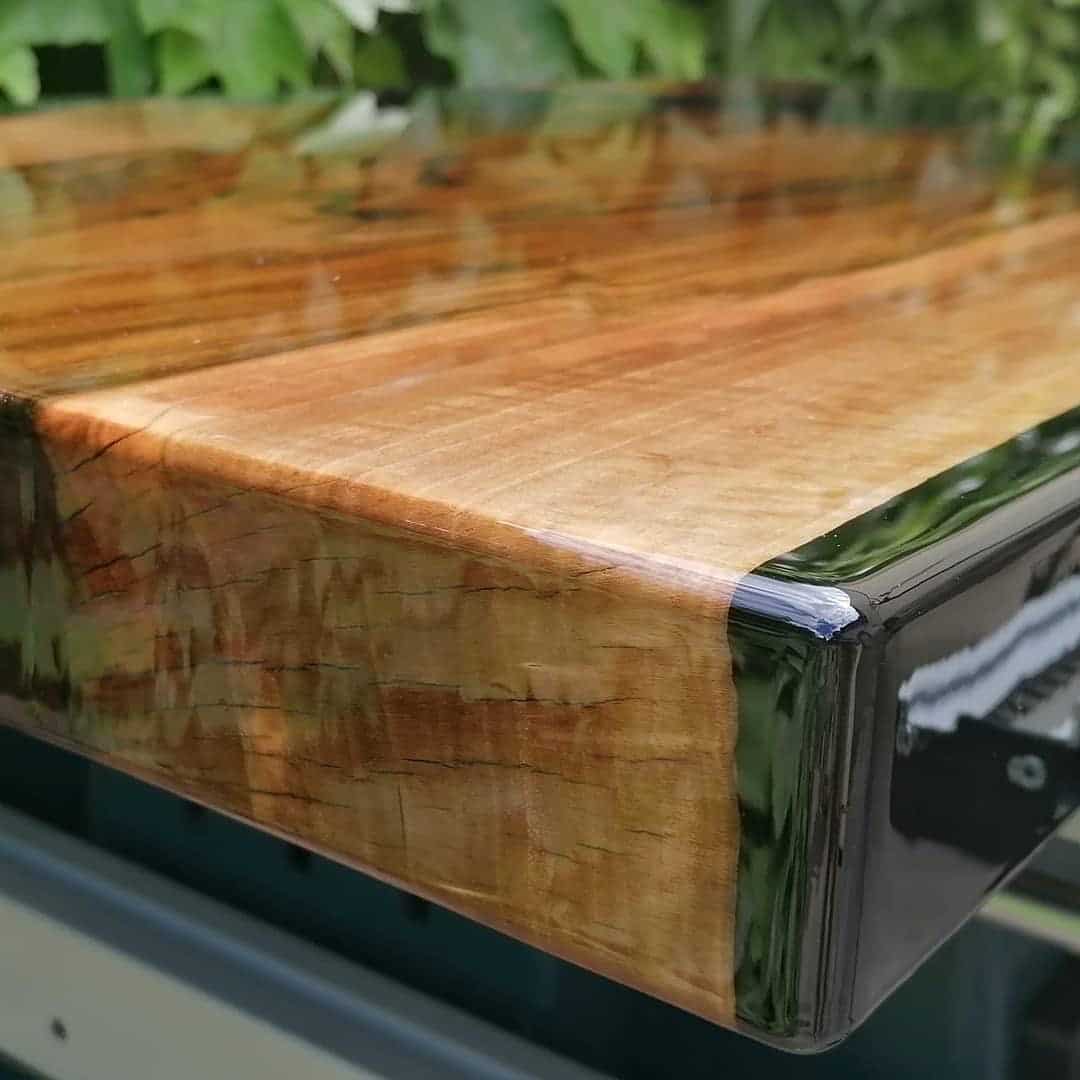
Preventing craters is especially important in decorative applications like tabletops, river tables, and art pieces, where clarity and uniformity of the resin finish greatly impact the overall look. Deep pours and larger surfaces have a greater risk, so a careful approach pays off.

Related products
Related guides
By pairing low-viscosity resin and patient, measured processing, you can consistently achieve professional-quality finishes. For more insight on avoiding other common resin issues, see our additional advice on why resin can form craters when applied.