 Free shipping on orders over £29,85
  Shipping Tracking!


 Google
 Facebook
← Back to Epoxy resin: what factors affect curing time?
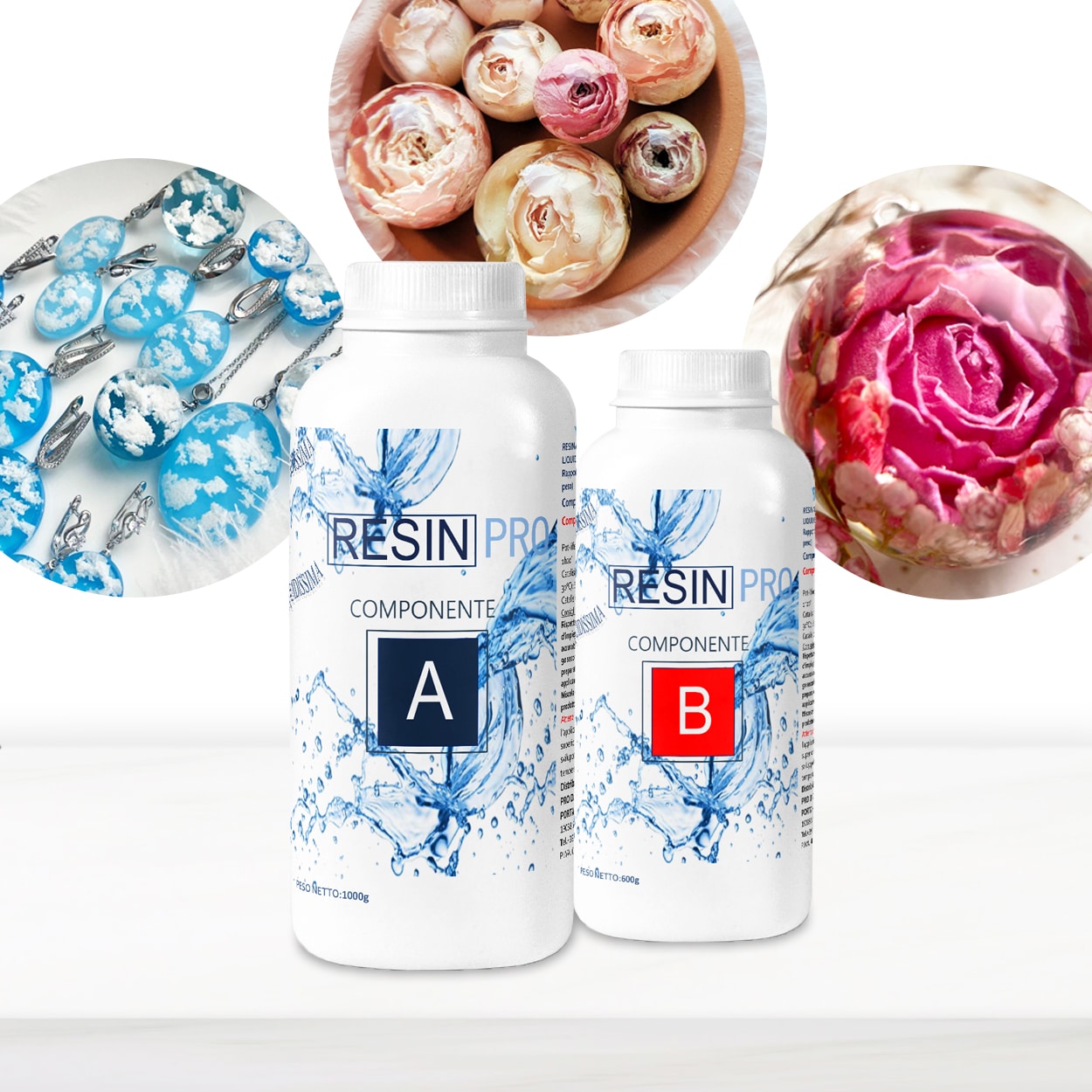

Low viscosity epoxy resin is the preferred choice for any project involving complex or detailed moulds. Its runnier consistency allows it to flow easily and fill fine textures, resulting in even coverage and fewer imperfections.
Why Low Viscosity Matters for Mould Work
When working with intricate designs or miniature details, resin with a thin, fluid texture will settle more evenly and penetrate tight recesses. This helps to minimise trapped air bubbles, which can otherwise spoil the clarity or definition of your finished piece. Liquidissima epoxy resin is specially developed to support this process, making it a popular option among jewellery crafters and artists needing sharp finishes.
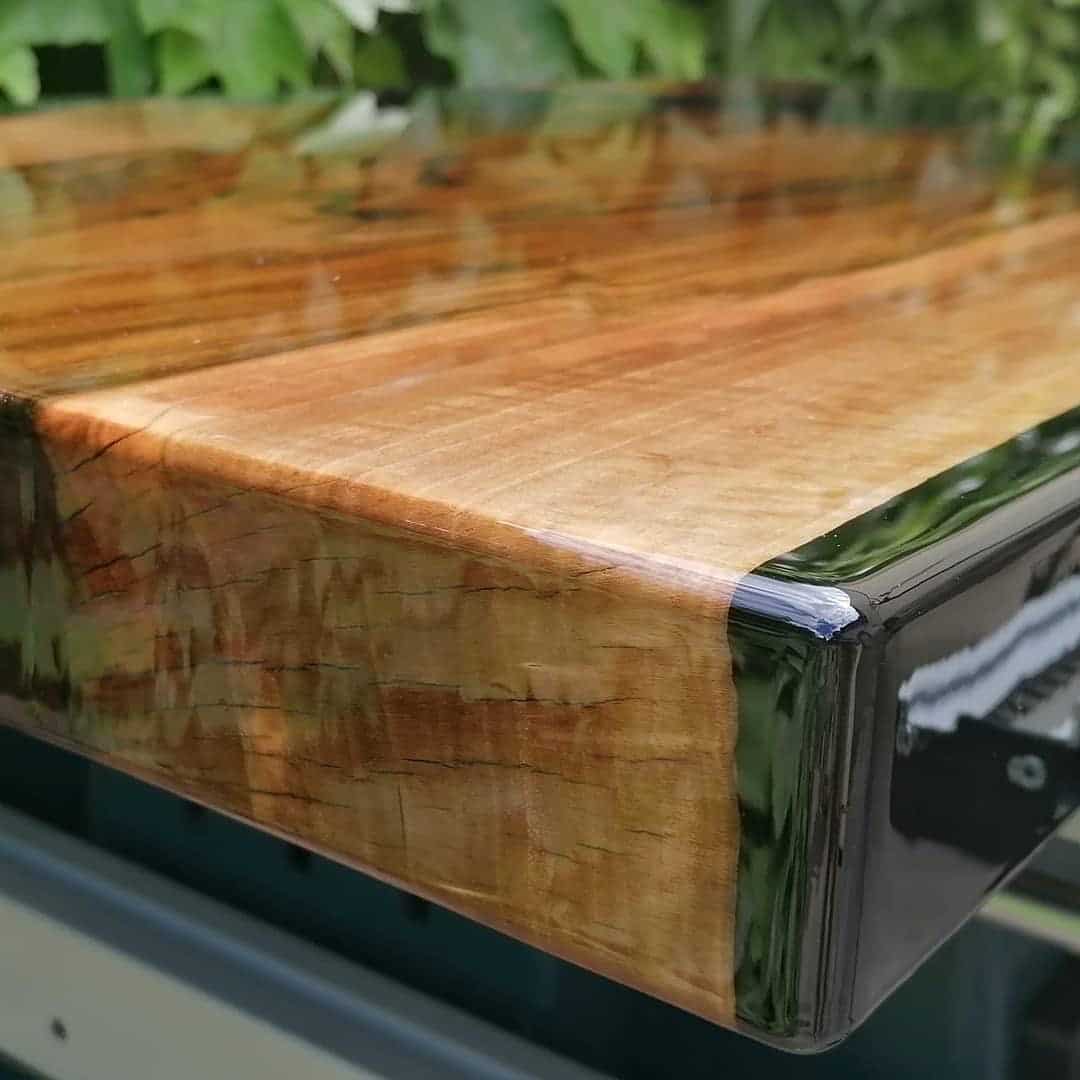

Practical Tips for Using Low Viscosity Resin
- Preparation: Ensure your moulds are clean and free from dust. This enhances flow and finish quality.
- Mixing: Stir gently to prevent bubble formation—quick, vigorous mixing can trap air within the resin.
- Pouring: Pour slowly from one corner, letting the resin flow naturally around details.
- Working time: Take advantage of the longer working time many low viscosity resins offer, which is ideal for making adjustments or embedding items.
When Low Viscosity Matters Most
If your project features intricate textures, sharp angles, or delicate inclusions, a low viscosity epoxy will make all the difference. It’s particularly beneficial for jewellery, decorative objects, and artistic castings where definition is key.

Related products
Related guides
Choosing the right viscosity greatly enhances results for detailed moulds. For more on optimising curing time and working with epoxy resin, browse the full guidance at our parent page.