 Free shipping on orders over £29,85
  Shipping Tracking!


 Google
 Facebook
← Back to How much can I make with 1 kg of resin?
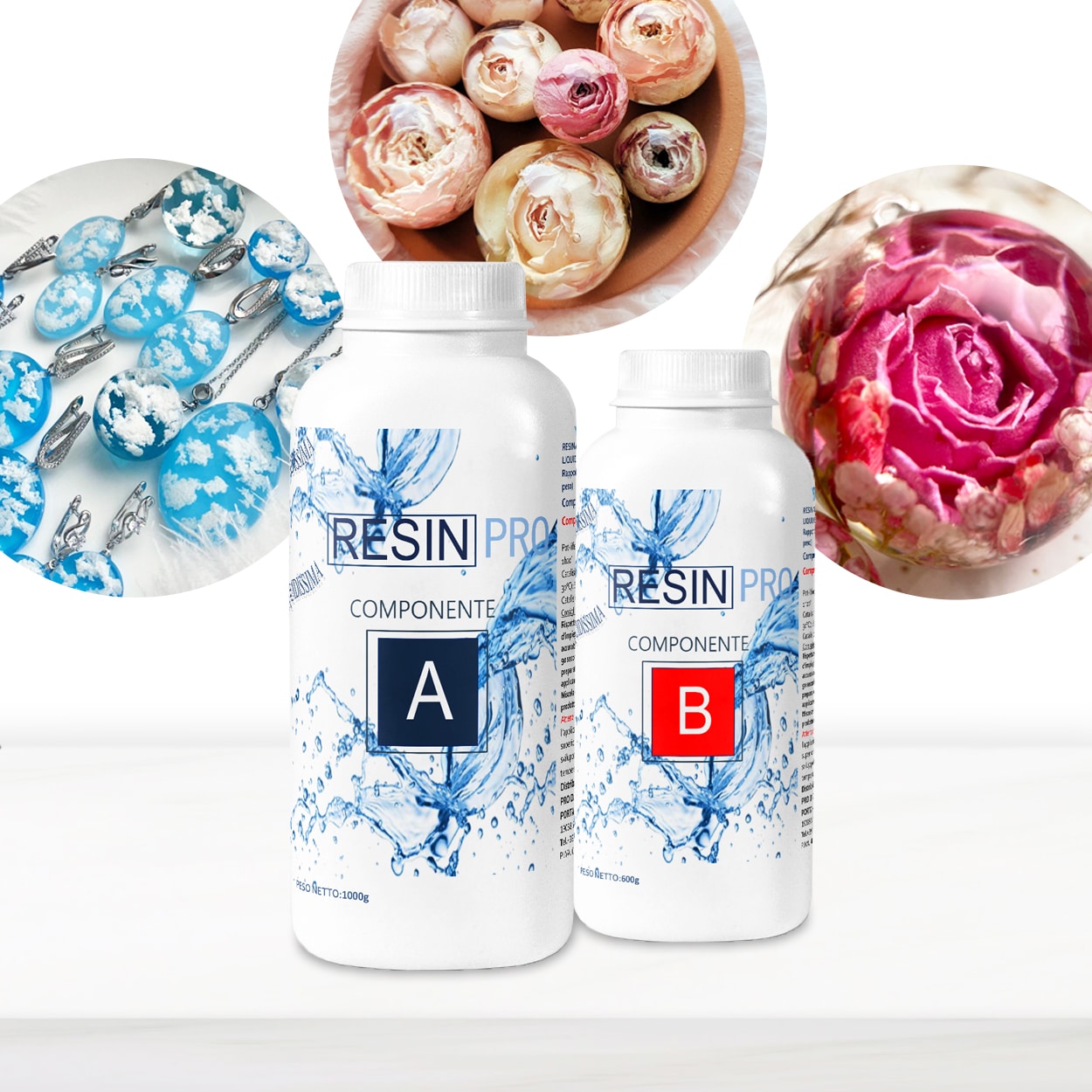
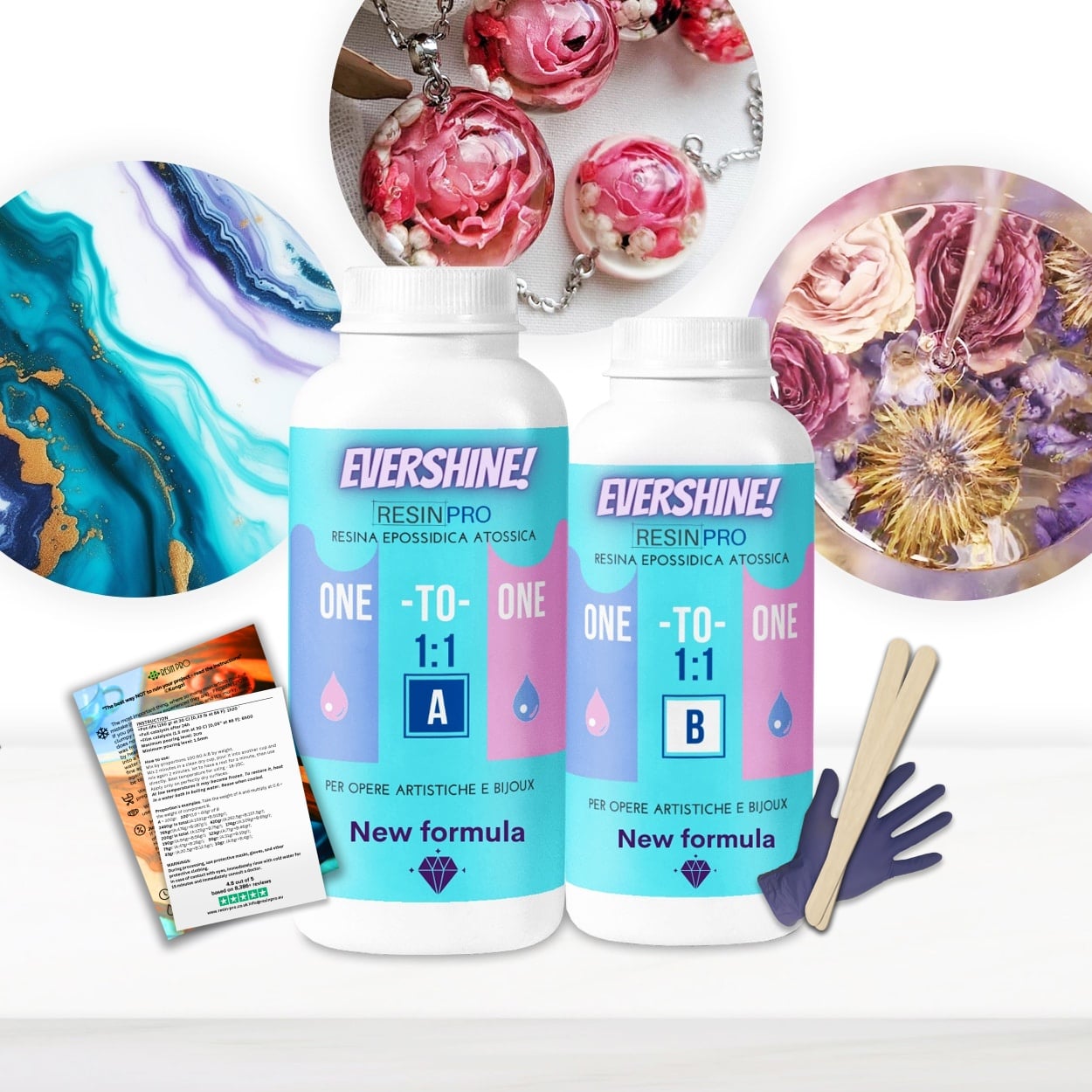
Creating fine, intricate resin pieces starts with the right material. Low viscosity epoxy resin ensures your project captures every last detail, whether you’re working with jewellery, miniatures, or delicate art moulds.
Why Choose Low Viscosity for Detailed Moulds?
Low viscosity resins flow more easily into tight spaces, corners, and complex undercuts. This property is essential for highly detailed moulds, where thicker or higher-viscosity resins might trap bubbles or fail to fill intricate features. A resin like “Liquidissima” Epoxy Resin is specially designed to provide a water-clear, flawless finish and reduce the risk of air pockets in fine details.
How to Get the Best Results
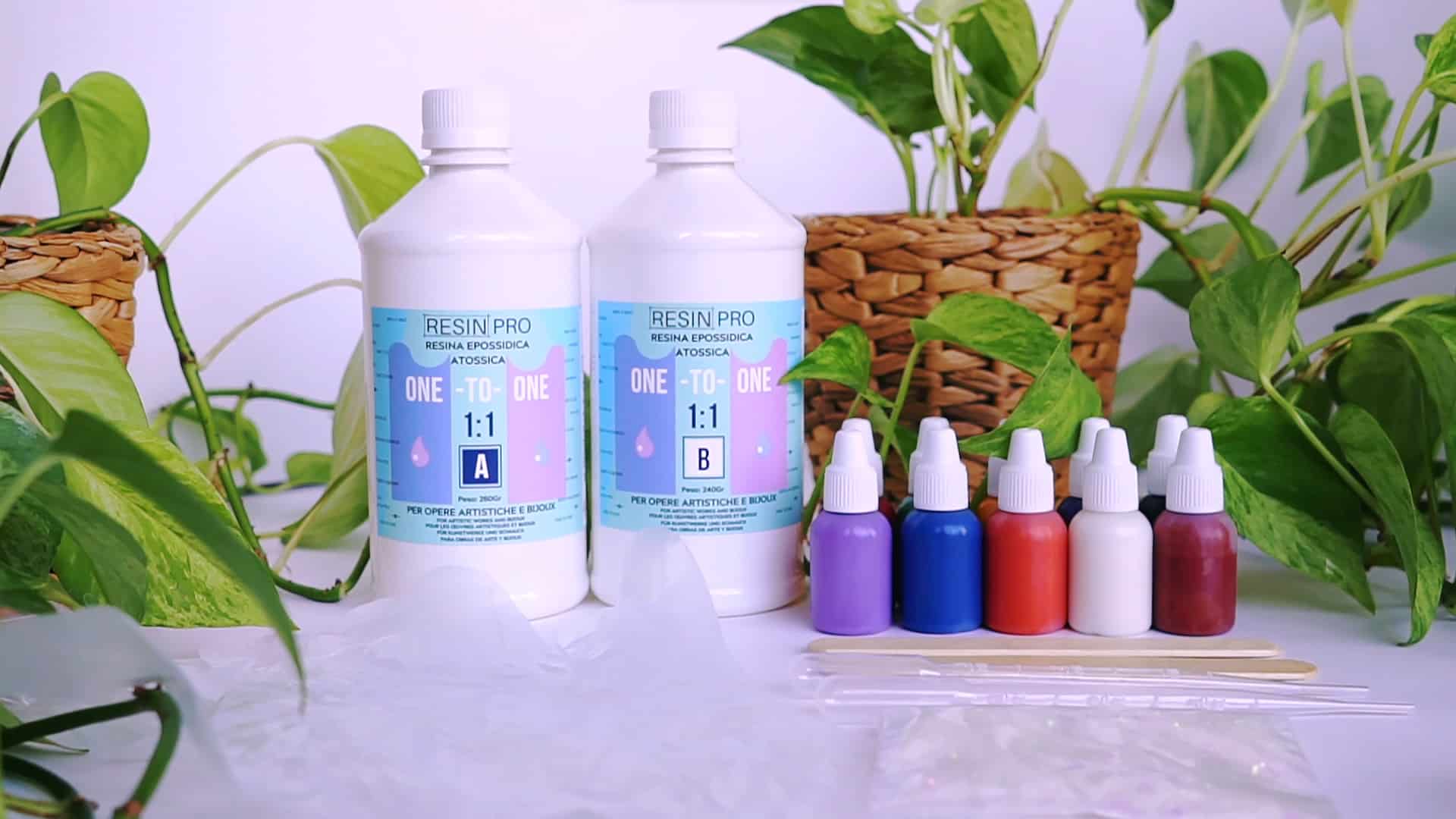
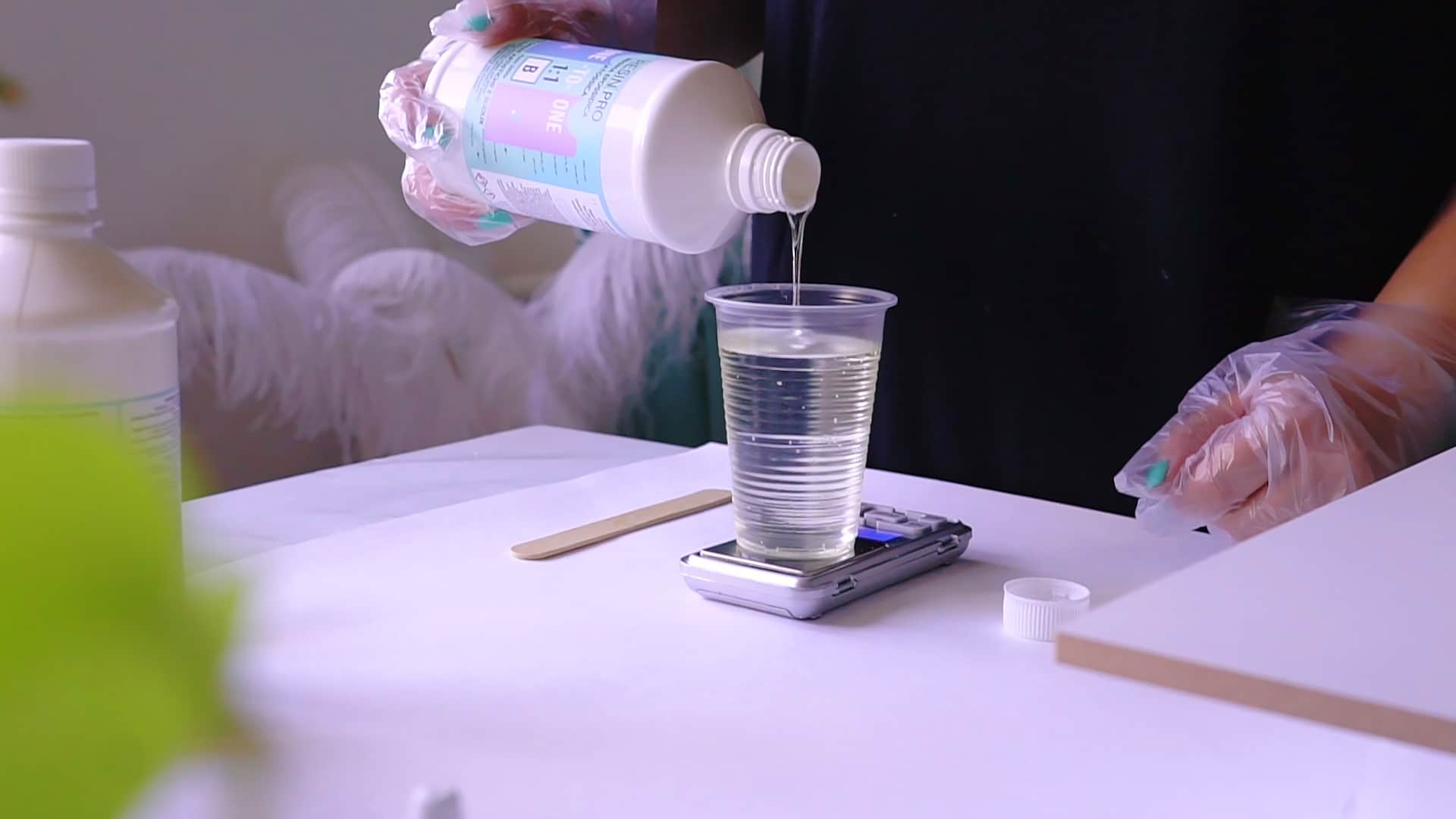
For the smoothest pours, ensure your working area and moulds are clean and free of dust. Mix the resin slowly to minimise air bubbles, and pour steadily into the deepest part of the mould first, letting the resin naturally flow and settle. Many low viscosity resins have extended working times, making them ideal for careful, step-by-step casting without feeling rushed.
- Work at a moderate room temperature for optimal flow
- Use a mould release agent if the design is especially detailed
- Tap or gently vibrate the mould after pouring to help bubbles escape
When Low Viscosity Resin Matters Most
Low viscosity resin is a must for crafters working with very fine silicone moulds, tiny open spaces, or when seeking a glassy, bubble-free finish. It’s especially recommended for jewellery makers or artists who want their finished pieces to faithfully reflect the mould’s precision.

Related products
Related guides
Understanding the benefits of low viscosity resin gives you an edge when tackling intricate mould work. To find out how far your resin can go and calculate coverage for your projects, explore more on how much you can make with 1 kg of resin.