 Free shipping on orders over £29,85
  Shipping Tracking!


 Google
 Facebook
← Back to Can resin bound gravel replace concrete?
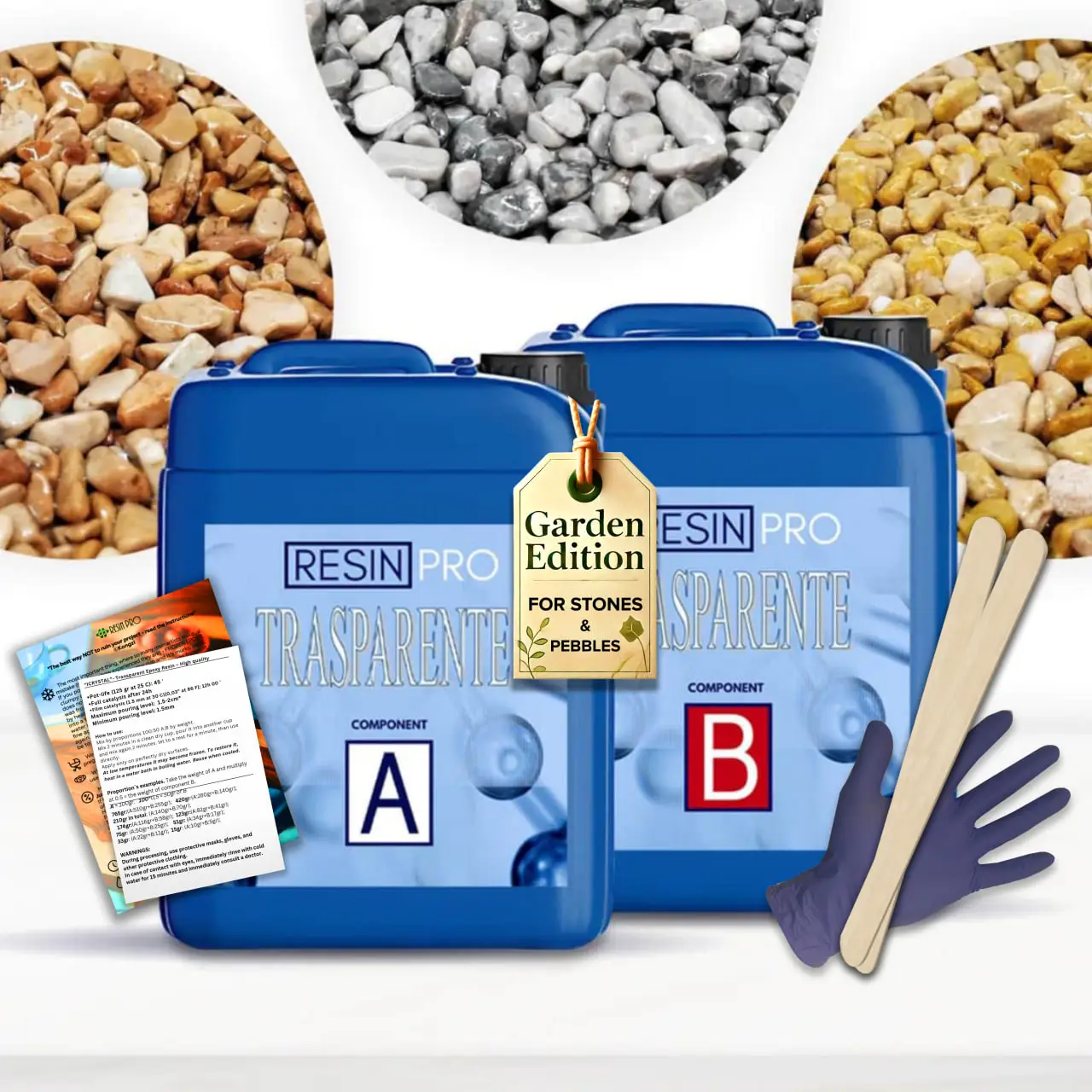
When creating decorative resin bound gravel or permeable outdoor surfaces with coloured aggregates, choosing the right epoxy is key to maintaining a lasting, attractive finish. Low-yellowing epoxy has become the go-to solution for projects where colour integrity and durability are essential.
What Does ‘Low-Yellowing’ Mean for Epoxy?
Conventional epoxy resins can discolour or yellow over time, particularly when exposed to sunlight and the outdoors. Low-yellowing epoxies are specially formulated to resist this effect by using advanced hardeners, often with added UV stabilisers. As a result, the vibrant appearance of coloured pebbles and grits in driveways, paths, or patios endures much longer.
- Keep coloured or dark-toned aggregates clear and bright
- Reduce maintenance from unsightly yellow staining
- Create a surface that retains its decorative appeal in all weather
Choosing the Right Epoxy Binder for Your Project
For resin bound gravel surfaces where warm or dark stones are featured, opt for a low-yellowing epoxy formulated for UV stability. For example, “Trasparente” Epoxy Binder is designed specifically for coloured aggregates, offering a crystal-clear, UV-resistant finish that protects against yellowing. Avoid standard epoxies if your goal is to preserve the original colour of the stones.
- Mix thoroughly with clean, dry aggregates for best results
- Apply in suitable weather for optimal curing (avoid high humidity or extreme temperatures)
- Always follow manufacturer’s coverage and mixing guidelines
When Low-Yellowing Epoxy Matters Most
If your outdoor surface will face direct sunlight, or you’re using vibrantly coloured or dark aggregates, low-yellowing properties become especially important. They help prevent shifting tones and patchy discoloration, which is vital for high-traffic areas like decorative driveways, patios, or design-led commercial spaces.
Related products
Related guides
Selecting a low-yellowing epoxy binder protects both the look and performance of your resin bound gravel surfaces. For more guidance on permeable systems that can even serve as alternatives to concrete, explore our main advice at Can resin bound gravel replace concrete?.