 Free shipping on orders over £29,85
  Shipping Tracking!


 Google
 Facebook
← Back to How to remove epoxy paint?
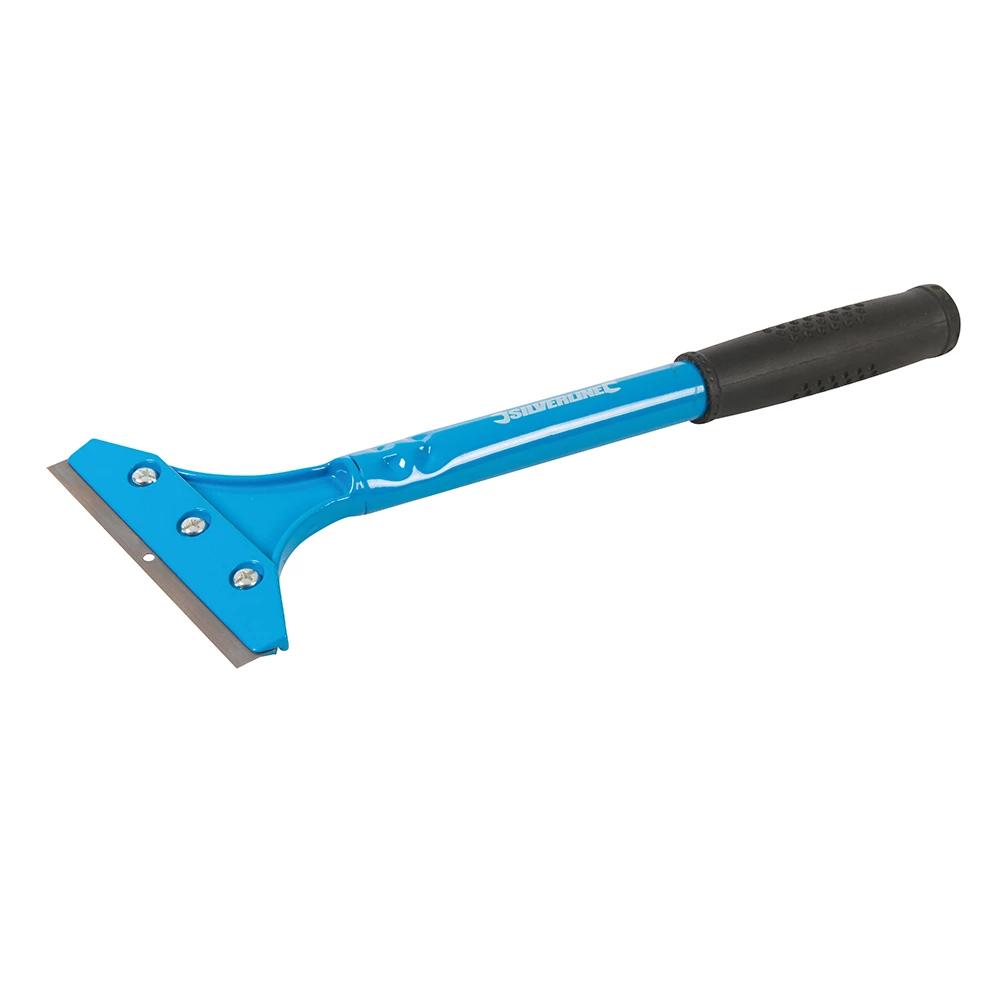
Removing cured epoxy paint can be challenging, as it forms a tough, durable layer that often resists chemical treatments. Manual techniques, using the right combination of tools, provide an effective way to strip cured epoxy from a variety of surfaces.
Choosing the Right Hand Tools
The foundation of manual removal is a robust scraper. For general wall, floor, and tile surfaces, a Heavy Duty Scraper for Paint and Epoxy Resin Removal delivers comfortable handling and precise action thanks to its lightweight design and sharp blade. On glass or smooth areas, the Scraper for Paint & Dry Resin Removal – 10 Double-Sided Blades is ideal, allowing you to safely tackle stubborn paint without damaging delicate surfaces.
- Always keep the blade sharp for effective results.
- Work gradually to prevent gouging the surface beneath the epoxy.
- Wear protective gloves and eye protection when scraping.
Softening Epoxy Before Scraping
Cured epoxy is very hard, but gentle application of heat can make manual removal easier. A 1500W Heat Gun with adjustable settings lets you warm the epoxy slightly, loosening its grip on the substrate. Hold the heat gun several centimetres away from the surface and move it in slow passes to prevent overheating. Once softened, the epoxy can be scraped away with less effort.
When Manual Removal Matters Most
Manual removal becomes essential when dealing with fully cured epoxy paint or coatings where chemical solutions are ineffective or unsuitable. It is especially important for intricate surfaces or renovations where you want maximum control over the process.
Related products
Related guides
While removing cured epoxy paint is demanding, using high-quality scrapers and applying heat where needed can restore your surfaces efficiently. For further strategies and all your epoxy maintenance needs, return to our main guide on how to remove epoxy paint.