 Free shipping on orders over £29,85
  Shipping Tracking!


 Google
 Facebook
How to remove epoxy paint?
Successfully removing epoxy paint can be a challenging process, especially as cured epoxy forms a durable, chemical-resistant surface. Whether you’re correcting a spill, renovating a space, or prepping for fresh coatings, following the right method helps ensure a clean result without damaging your underlying surface.
Step-by-step guide for safe, effective epoxy paint removal
What You’ll Need
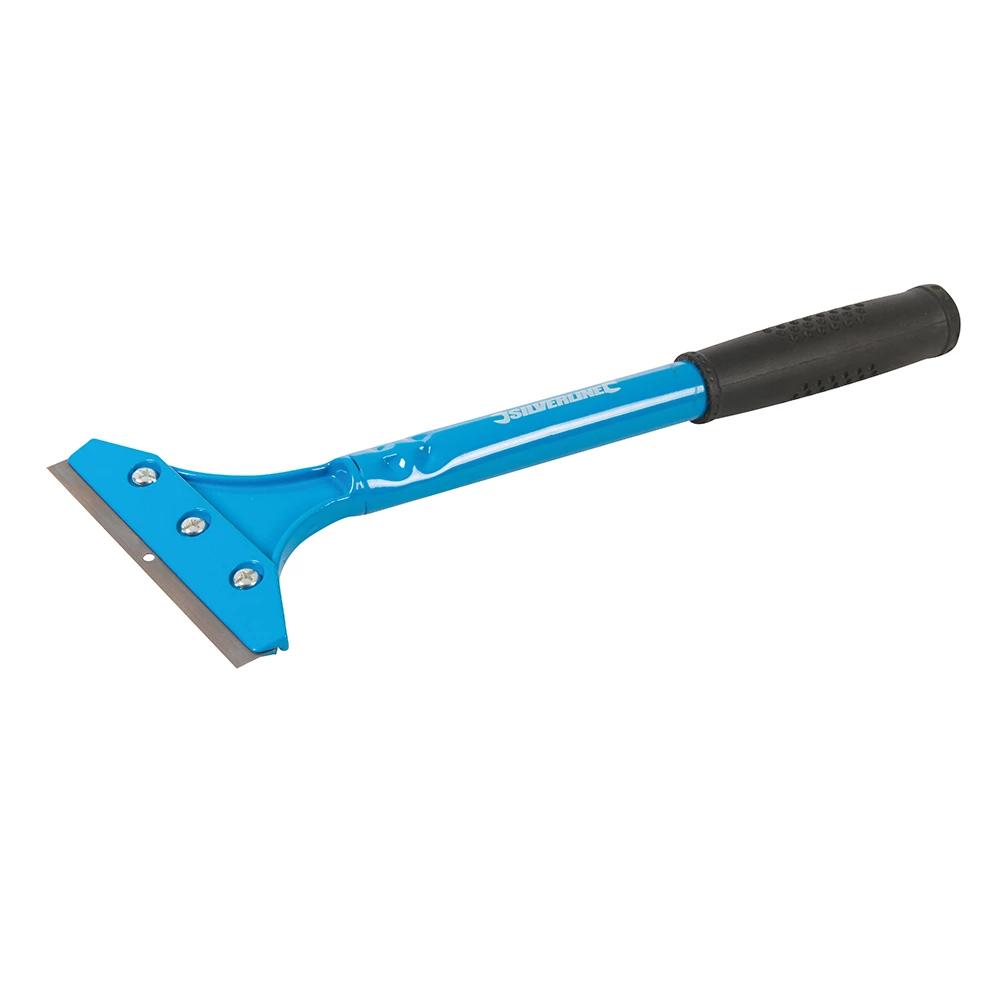
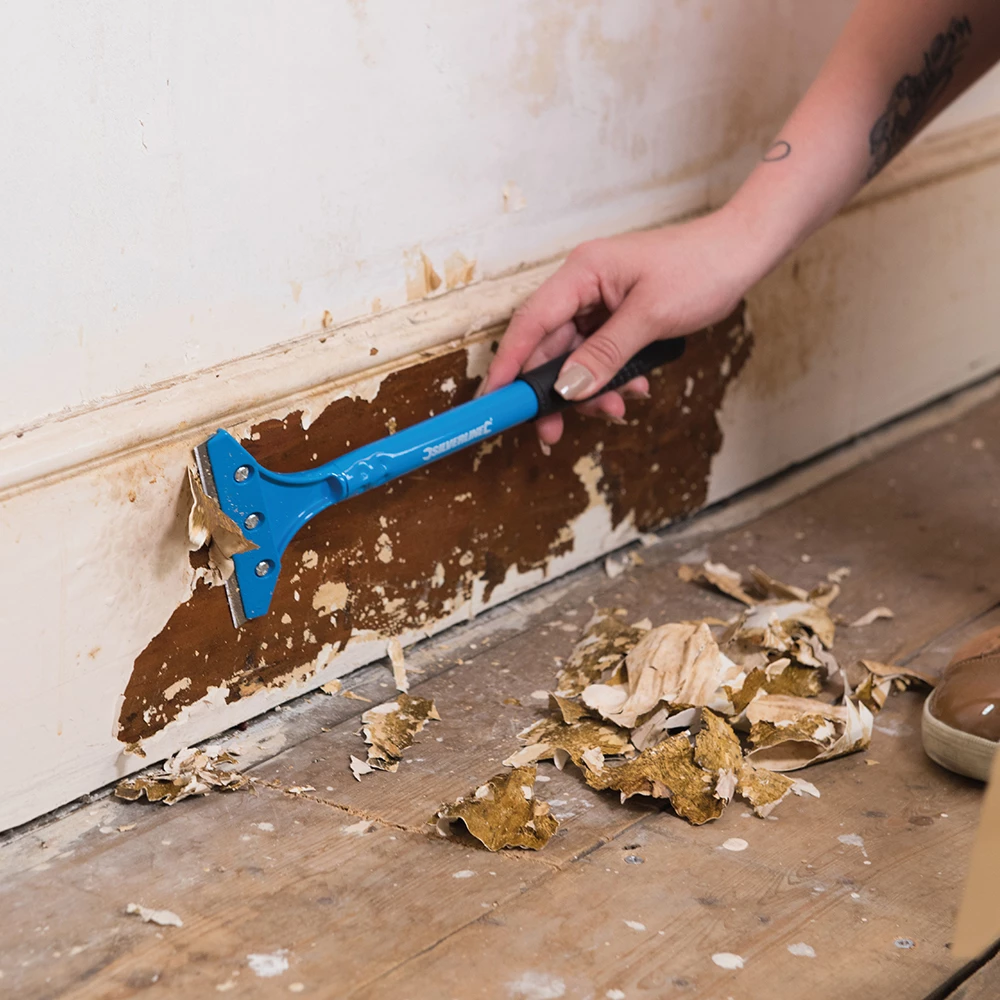
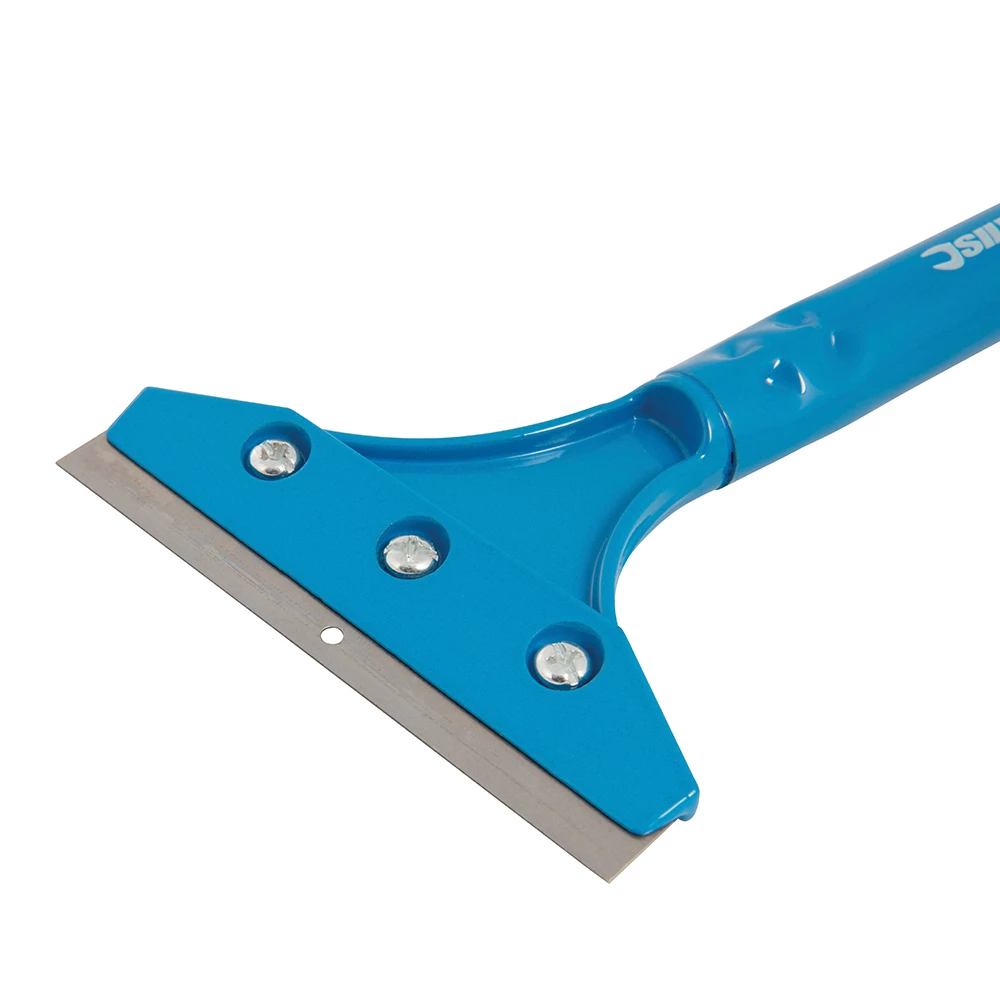
- Heavy Duty Scraper for Paint and Epoxy Resin Removal – ideal for walls, floors, and robust surfaces
- Scraper for Paint & Dry Resin Removal – 10 Double-Sided Blades – best for windows or glass surfaces
- 1500W Heat Gun for Crafting and Epoxy Resin Projects – Two Heat Settings – useful for softening thick or stubborn epoxy paint layers
- Protective gloves and goggles for safety
- Plastic or drop cloths to protect surrounding areas
- Cleaning materials (cloth, mild detergent, water)
See Manual Tools and Heat Methods in Action
Using a combination of specialised hand tools and controlled heat allows for careful, effective removal of epoxy paint without damaging the surface. Observe the difference in technique depending on whether you are working on glass, wood, or concrete—patience and the right tool make all the difference.

Step 1: Assess the Surface and Prepare the Area
Begin by evaluating the type of surface with epoxy paint and the area’s size. Remove nearby furniture, cover any adjacent areas with plastic sheeting, and ensure adequate ventilation. Manual removal is often necessary, especially for cured epoxy paint. For delicate surfaces such as glass, take particular care to avoid accidental scratches or breakage. Wear gloves and goggles before starting.
Step 2: Loosen the Epoxy Paint
To make scraping easier and reduce the risk of damaging the substrate, try to soften the epoxy paint first. Treat smaller spills or thinner paint by soaking with a damp cloth (if water-based) or using a heat source. The 1500W Heat Gun for Crafting and Epoxy Resin Projects – Two Heat Settings is ideal for this stage. Start with the lower heat setting, gently moving the gun over the surface to warm and slightly soften the paint. Avoid overheating which could damage plastics or wood.
Step 3: Mechanically Remove the Paint
Once the epoxy layer is softened, use the appropriate scraper. On robust walls or floors, the Heavy Duty Scraper for Paint and Epoxy Resin Removal allows for firm, controlled scraping. For windows or smooth glass, select the Scraper for Paint & Dry Resin Removal – 10 Double-Sided Blades as it’s designed to minimise scratching.
Work slowly at a shallow angle, applying steady pressure. For stubborn spots, alternate heat and scraping in intervals. Avoid using metal scrapers on delicate surfaces to prevent scratches.

Step 4: Clean and Inspect the Surface
After the bulk of the paint is removed, wipe down the area with a damp cloth and mild detergent. Inspect for any remaining epoxy residue and repeat scraping if necessary. Allow the area to dry properly before repainting or applying new surface treatments. Test a small area before broad application.

Tips and Common Mistakes When Removing Epoxy Paint
Always use sharp blades in your scraper tools, as blunt blades can gouge or scratch the surface. Protective equipment such as gloves and goggles is recommended. Take your time with heat application to avoid warping surfaces. Never use harsh chemicals unless absolutely necessary, and always check manufacturer recommendations for your specific surface. Address any stubborn spots with patience—rushing can lead to accidental damage.
Expert Tips for a Professional Finish
Avoid using excess force—multiple gentle passes are safer than aggressive scraping. Always maintain a clean and clutter-free work area to prevent slips or accidental surface damage. If the epoxy proves exceptionally tenacious, alternate between heat and manual removal in several cycles for best results.
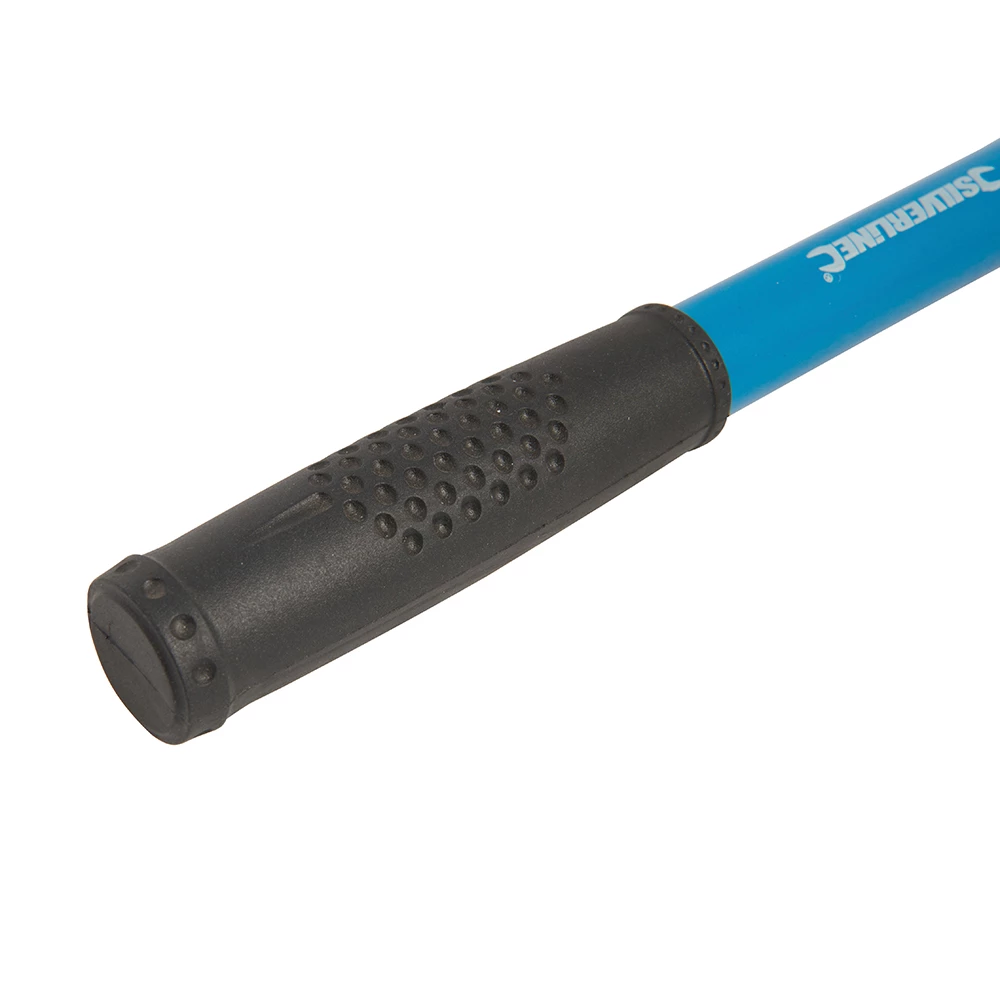
- Heavy Duty Scraper for Paint and Epoxy Resin Removal£8.35Heavy Duty Scraper is designed for effective removal of paint and coverings, suitable for various renovation tasks.
- Scraper for Paint & Dry Resin Removal – 10 Double-Sided Blades£4.65The Window Scraper is designed for safe and efficient paint removal from windows and smooth surfaces.
 1500W Heat Gun for Crafting and Epoxy Resin Projects – Two Heat Settings£27.85A lightweight heat gun designed for epoxy resin projects, useful for bubble removal and paint shaping with two heat settings.
Frequently Asked Questions
Is it possible to remove epoxy paint without damaging the surface?
Yes, by using correct tools, working patiently, and applying heat carefully, most surfaces can be cleared of epoxy paint with minimal or no damage.
Do I need special tools to remove epoxy paint?
While general scrapers may work for small spills, using purpose-designed scrapers and a heat gun greatly improves results and safety.
How do I deal with stubborn or thick epoxy paint spots?
Apply heat in intervals, scrape gently, and repeat as needed. Persistence is key—avoid harsh chemicals when possible.
Does using water or detergent help in epoxy paint removal?
Water and mild detergent can help with surface cleaning after scraping but are not usually effective against cured epoxy paint itself.
Can a heat gun be used to remove epoxy paint from wood?
Yes, a heat gun set to moderate temperature can soften epoxy for easier removal from wood. Use caution to avoid scorching or warping.
What safety measures are recommended for epoxy paint removal?
Always wear gloves and goggles. Keep workspaces well-ventilated, especially when using heat or scraping in enclosed areas.