 Free shipping on orders over £29,85
  Shipping Tracking!


 Google
 Facebook
← Back to How do you cut resin paving?
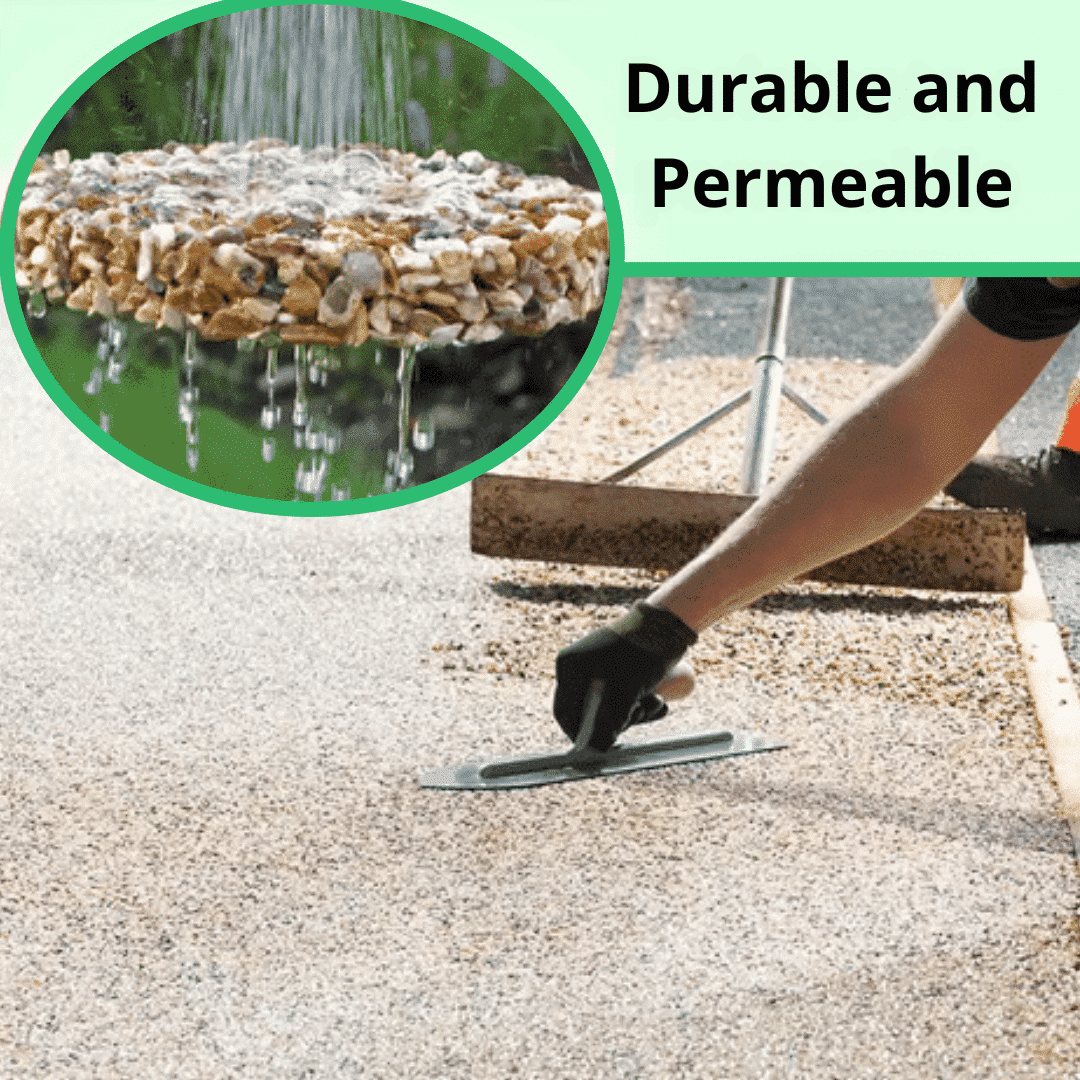
Getting crisp, clean edges when working with resin paving depends on marking your cutting lines accurately. Whether you’re shaping a new area or making modifications, careful marking ensures your results look professional and perform as intended.
Choosing the Right Tools for Marking
Select a marking tool that will be visible on your resin paving surface yet easy to remove once the job is done. Chalk lines, water-soluble markers, or even low-tack masking tape can all be used, depending on the finish and texture. Always test your marking method in a small area first to ensure it won’t stain.
Workflow and Best Practices
- Thoroughly clean the surface to remove any dust, debris, or moisture. This helps your markings stay visible and improves cutting accuracy.
- Measure carefully and use a straight edge or flexible template to guide your marking tool, especially around curves or features.
- If you’re working with permeable resin systems like the Flowstone kit, take care not to press too hard, as this may disturb the surface texture or aggregates.
- Recheck all guides before cutting, making adjustments where necessary to avoid costly errors.
When Precision Matters Most
Precise marking is critical any time you want neat joins—such as borders, expansion joints, or areas where resin meets other surfaces. It’s also particularly important when planning drainage channels or installing ground features so that water pathways remain unobstructed. Mistakes can affect visual appeal and the long-term function of your paving.
Related products
Related guides
Careful marking of cutting lines is a key step to achieving a flawless finish with any resin paving project. For more comprehensive guidance on working with resin paving, see our main cutting guide for resin paving.