 Free shipping on orders over £29,85
  Shipping Tracking!


 Google
 Facebook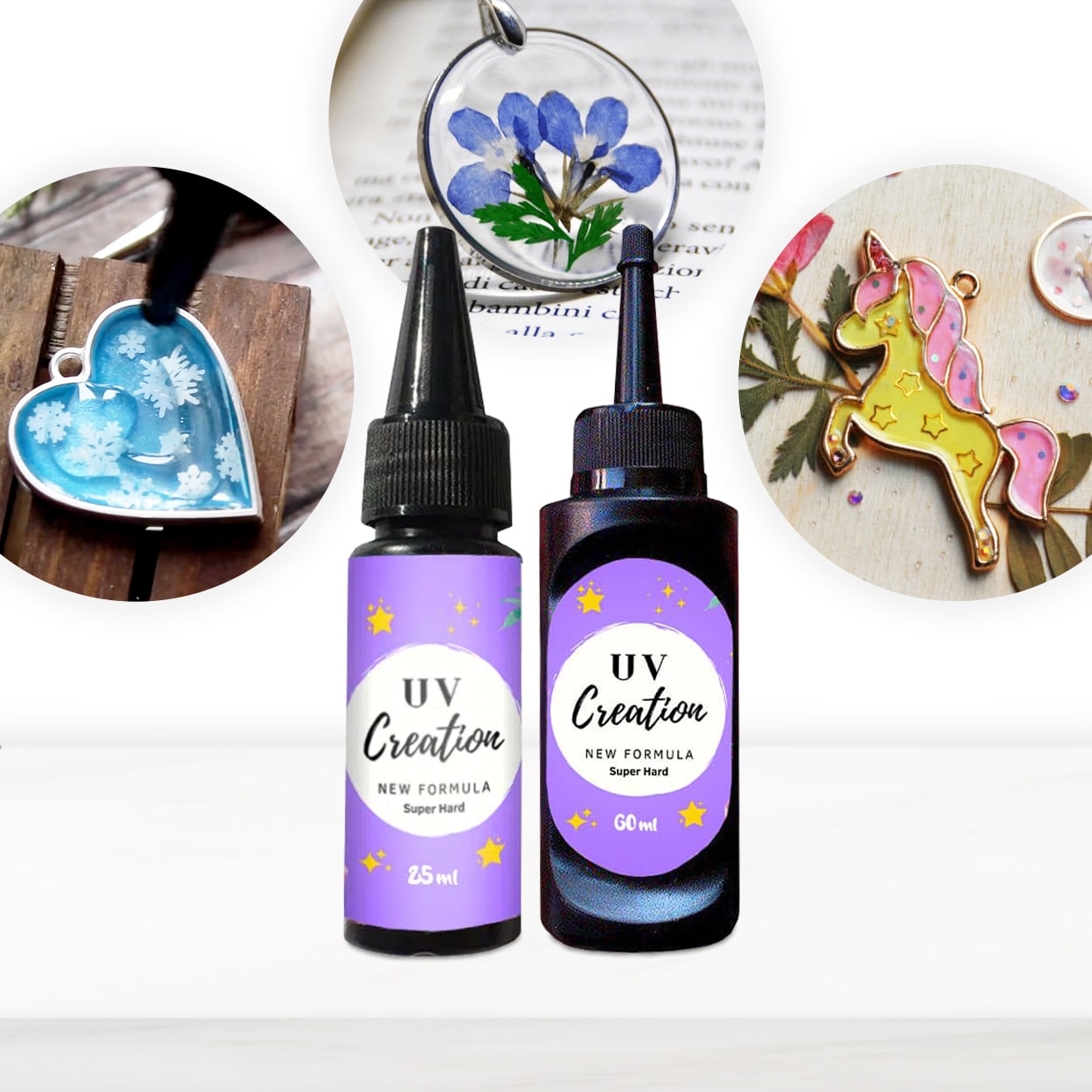
Selecting the right layer thickness is key for successful resin curing. It not only impacts the clarity and hardness but also helps you avoid sticky or uneven results, especially with UV-curing projects.
Why Thin Layers Make a Difference
Resins—especially UV resins—cure best when applied in thin layers. A maximum of 3 mm per layer is widely accepted as ideal. This ensures light or air fully reaches the resin, preventing issues such as tacky spots, cloudiness, or incomplete curing.
- Thin layers promote consistent hardening.
- Easier to control bubbles and surface imperfections.
- Allows for layering effects with pigments or decorations.
Practical Tips for Building Up Resin Layers
If your project needs greater thickness, it’s best to pour and cure one thin layer at a time. After each layer hardens, you can add another—repeating until you reach the desired depth. Products like the “UV–Creation” – Fast Acrylic Resin are designed for this approach, offering fast, clear results with minimal effort.
When Layer Thickness Matters Most
Choosing the right layer thickness is particularly important for jewellery making, detailed 3D prints, and decorative objects where clarity and strength are priorities. Thinner layers also let you mix colours or embed small items without compromising the cure.
Related products
Related guides
Understanding and respecting the best layer thickness for your resin helps ensure smooth, professional results. For more tips and in-depth guidance, explore our advice on how to dry resin successfully.