 Free shipping on orders over £29,85
  Shipping Tracking!


 Google
 Facebook
← Back to How do I repair or prepare the surface for a new pour?
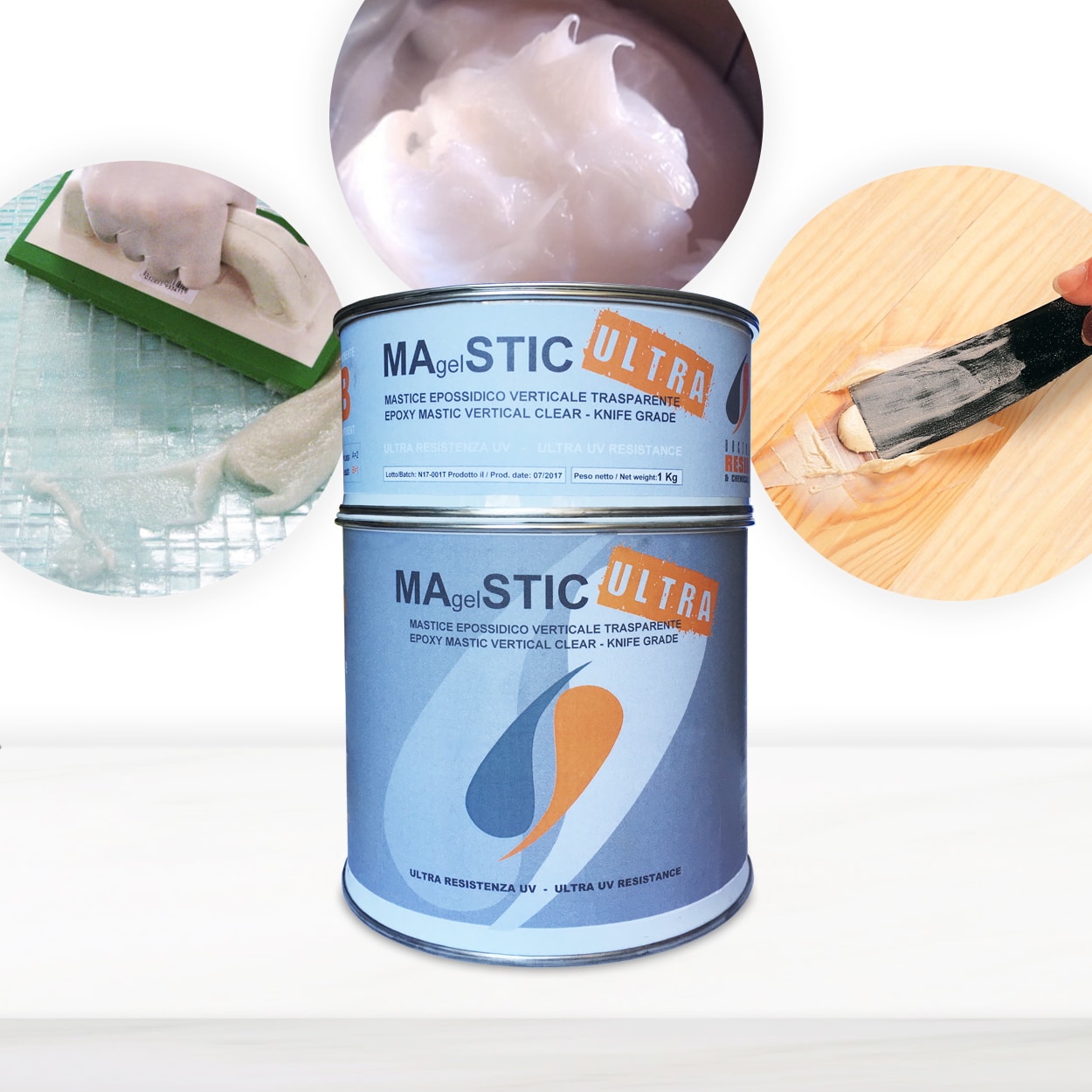
Minimal shrinkage is crucial when repairing surfaces or preparing for a new resin pour. Using the right epoxy solutions helps maintain a smooth, seamless finish and prevents cracks or gaps from forming as the material cures.
What Does Minimal Shrinkage Mean in Epoxy Repairs?
Shrinkage occurs when resins or fillers contract as they cure, which can lead to surface depressions, cracks, or an uneven finish. Minimal shrinkage refers to products that retain their volume and shape after application, so repairs stay flush with the original surface and new pours bond evenly with no noticeable dips or lines.
Choosing the Right Product for Minimal Shrinkage
For projects like bonding or grouting stone, metal, or cement, selecting a professional epoxy mastic such as “Magelstick” Epoxy Mastic is ideal. Its formulation ensures high mechanical strength and keeps shrinkage to a minimum, maintaining a continuous, intact surface. For floor preparation, water-based primers like Epoxyprimer also help to create a stable base without the risk of substrate shrinkage disrupting your work.
- Check manufacturer notes for claims regarding shrinkage.
- Follow mixing instructions closely for optimal results.
- Allow full curing before adding more layers or topcoats.
When Minimal Shrinkage Matters Most
Ensuring your repair materials exhibit minimal shrinkage is particularly important when finishing decorative stonework, laying floors, or restoring surfaces that require a level, uniform result. In high-traffic or weather-exposed environments, even minor shrinkage may shorten the repair’s lifespan or visual appeal.
Related products
Related guides
By prioritising minimal shrinkage during repair and preparation, you build strong foundations for your next resin pour. For more tips on surface repair and optimal preparation, explore our full guide on how to repair or prepare the surface for a new pour.