 Free shipping on orders over £29,85
  Shipping Tracking!


 Google
 Facebook
How do you embed insects in resin?
Create stunning displays or jewellery by safely encapsulating insects

Embedding insects in resin allows you to capture their intricate beauty forever, transforming them into timeless display pieces or unique jewellery. This guide leads you through each step, ensuring safety, clarity, and professional results for hobbyists and seasoned crafters alike.
What You’ll Need
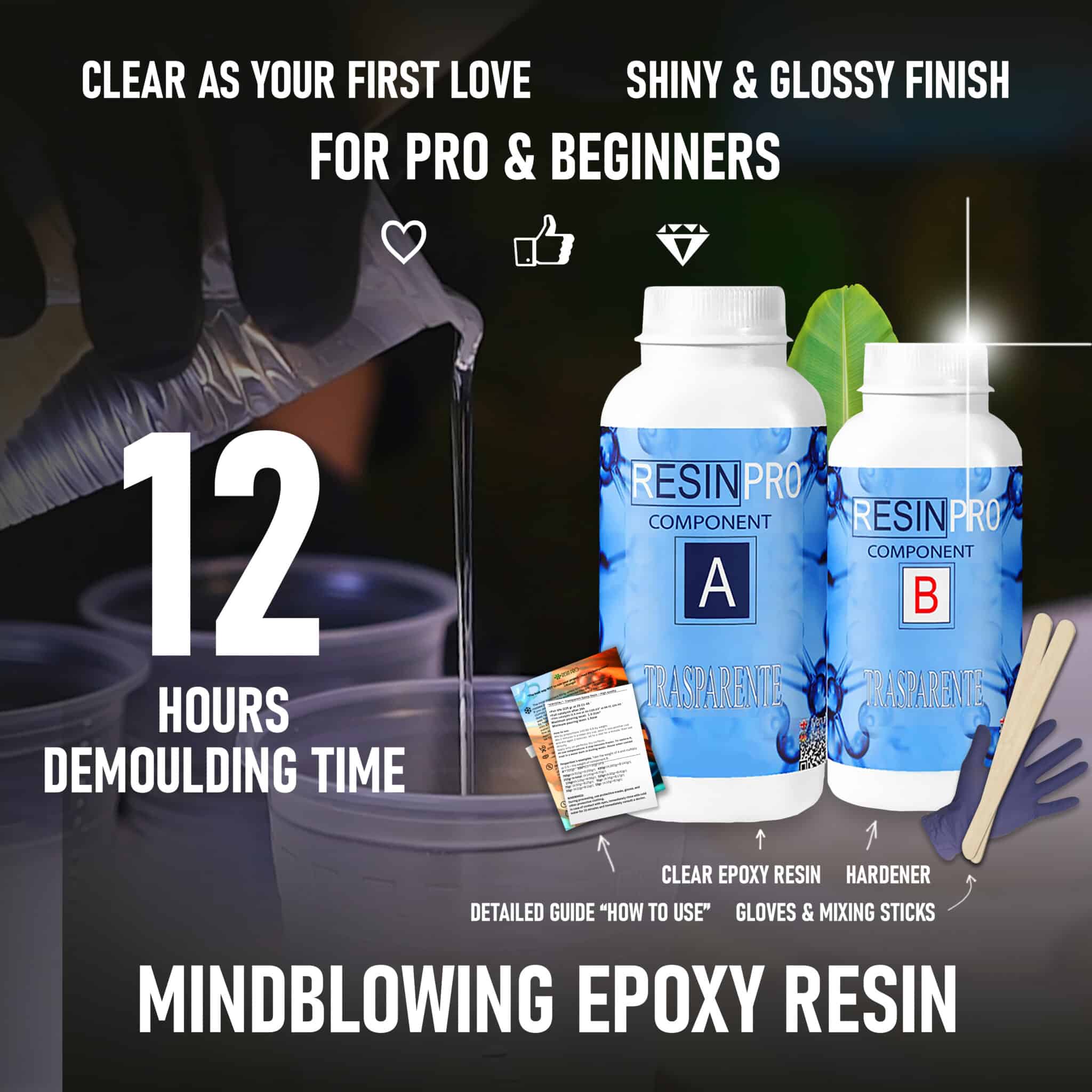
- “Trasparente” – Multipurpose Clear Epoxy Resin for Casting – Up to 2cm: Ultra-clear resin ideal for detailed embedding.
- “Icrystal” – Clear Epoxy Resin – Odourless Formula – Up to 1.5cm: Odourless clear resin for high transparency in smaller castings.
- “One-2-One” – Epoxy Resin for Handcraft, 1:1 Mixing Ratio: Easy-mix option for precise, clear handcraft work.
- Protective gloves and mask
- Disposable mixing cups and sticks
- Silicone moulds (shapes and sizes as desired)
- Tweezers
- Spoon for handling insects (optional)
- Toothpick or stirring stick (for bubble removal)
- Paper towels and isopropyl alcohol for clean-up
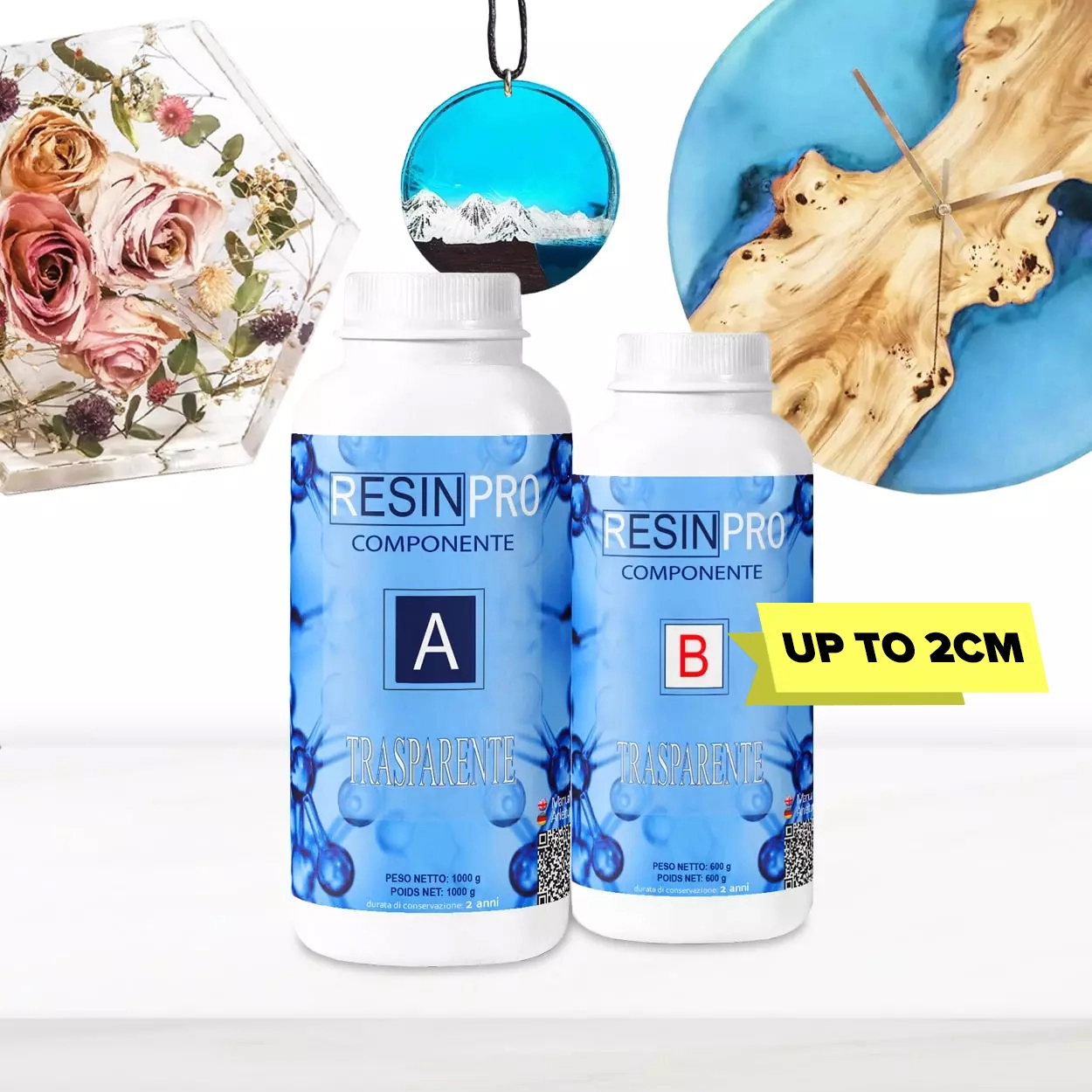
Insect Embedding Project Inspirations
Capturing the delicate beauty of insects in resin can transform natural specimens into stunning jewellery, art pieces, or educational tools. From jewellery pendants to paperweights, get inspired by the range of creative projects possible with clear epoxy resin.
Step 1: Prepare and Dry the Insects
Proper preparation of the specimen is vital for both safety and clarity. Choose insects that are fully dried—any moisture can cloud the resin and may lead to future decay. If you’ve collected your own specimens, let them air dry for at least a week or use silica gel for quicker results. Arrange wings or legs as desired using tweezers while the insect is still flexible, and let them set in the intended position before continuing.
Thoroughly dry your insects before embedding to prevent discolouration or trapped moisture bubbles.
Step 2: Prepare Your Workspace and Moulds
Work in a well-ventilated area, protecting surfaces with disposable coverings. Place your clean silicone moulds on a flat, level surface, as uneven positioning can cause resin pooling. If preferred, lightly oil the inside of moulds to ease removal once cured. Before beginning, ensure all required items are within reach to work efficiently without interruptions.
Step 3: Mix and Pour the Resin
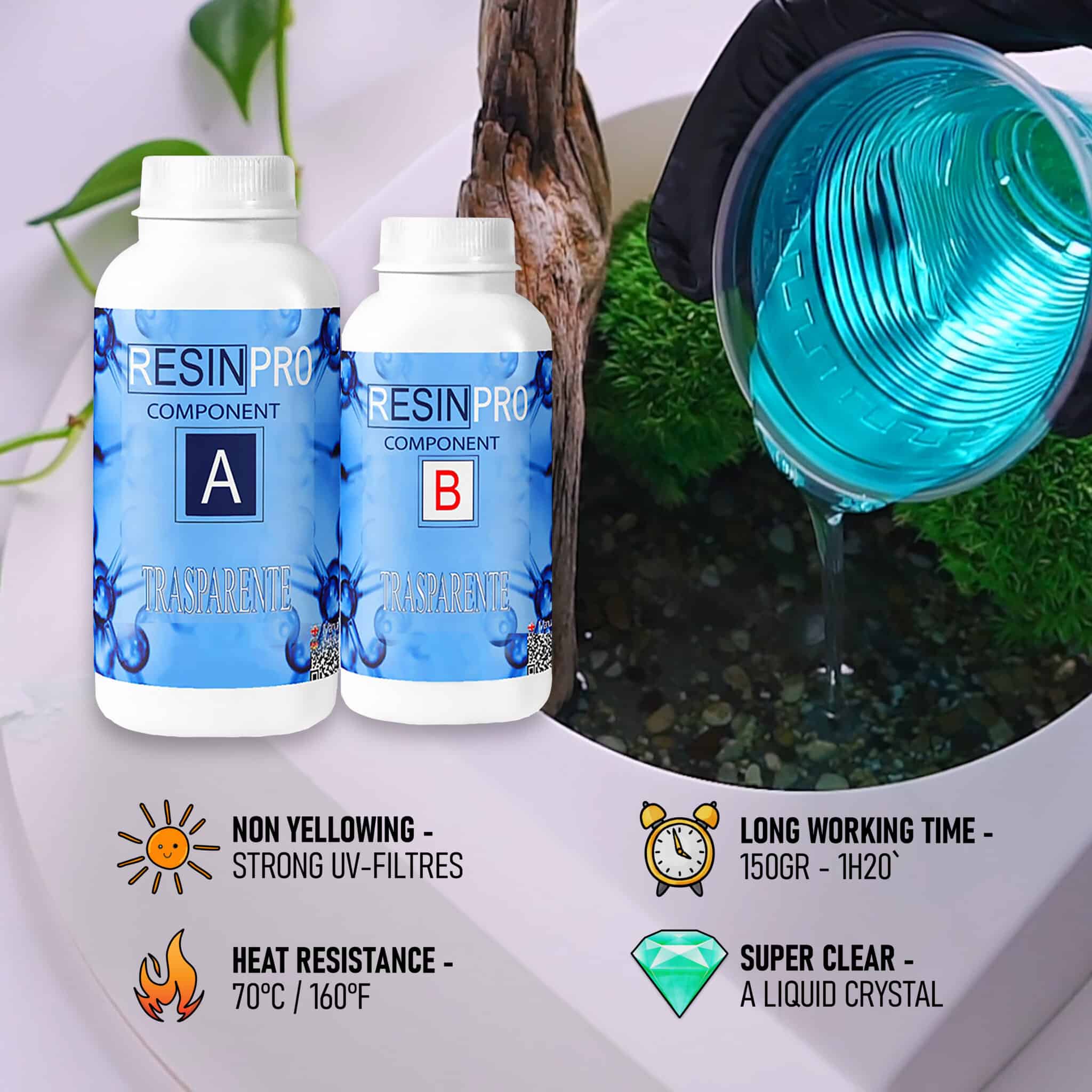
Precisely follow the mixing instructions for your chosen epoxy resin. For instance, “One-2-One” – Epoxy Resin for Handcraft, 1:1 Mixing Ratio uses an easy equal parts ratio, ideal for beginners. Mix slowly to minimise trapped air and stir only as long as needed. Pour a thin layer, just covering the base of the mould, and allow it to settle for a few minutes. This will form a bubble-free base onto which the insect will rest.
Mix your resin carefully and pour in thin layers to maximise clarity and avoid overheating.
Step 4: Position the Insect and Remove Bubbles
Once the initial resin layer is tacky (not fully cured but slightly gelled), gently place the dried insect using tweezers. Make sure it is centred and sits as desired for the final piece. Holding the mould at an angle can help with precise positioning. Pour the remaining resin in a second thin layer, just enough to cover the insect completely and fill the mould. Use a toothpick to gently coax out any air bubbles rising from the specimen or edges.
Remove bubbles as soon as they appear to maintain perfect clarity around the embedded insect.
Step 5: Cure, Demould, and Finish
Allow the piece to cure fully, as recommended by the manufacturer (generally 24–48 hours at room temperature). Avoid moving the mould during this period to prevent shifting or surface disruption. Once hardened, gently demould your resin piece. Edges can be sanded for a smooth finish, and the surface may be polished for a professional, glass-like shine.
Allow adequate curing time between layers and handle only after the resin is completely set for best results.
Tips and Common Mistakes
Work slowly and use fresh, high-quality resin for optimal clarity and bubble resistance. Avoid using wet or under-dried specimens, as this can result in bacterial growth or foggy resin. Always check for trapped bubbles after pouring, as insects contain tiny air pockets. Patience between layers helps maintain defined edges and prevents floating. If polishing, use a gentle abrasive and finish with resin-specific polish for maximum clarity.
Showcase: Clarity and Detail Up Close
Notice how the finest resin formulas enhance the preserved colours and structures of embedded insects. High-quality, bubble-free resin ensures your finished piece remains brilliantly clear for years to come.

- "Trasparente" – Multipurpose Clear Epoxy Resin for Casting – Up to 2cmPrice range: £8.45 through £948.85"Trasparente" resin offers a clear, self-levelling finish up to 2cm thick, suitable for detailed resin castings and tables.
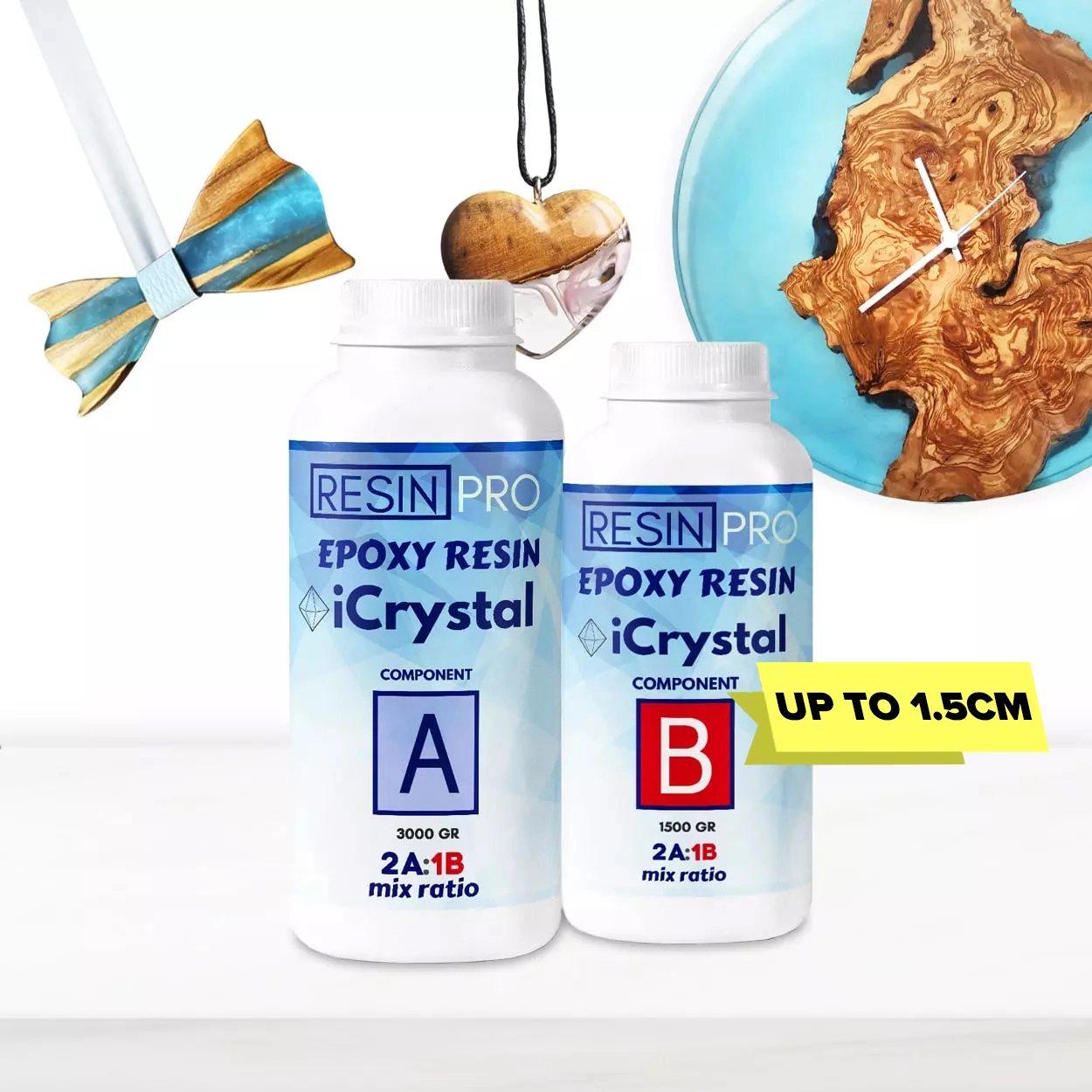 "Icrystal" – Clear Epoxy Resin – Odourless Formula – Up to 1.5cmPrice range: £11.65 through £954.85"Icrystal" is a transparent epoxy resin suitable for a variety of artistic and practical uses under the theme about embedding insects in resin.
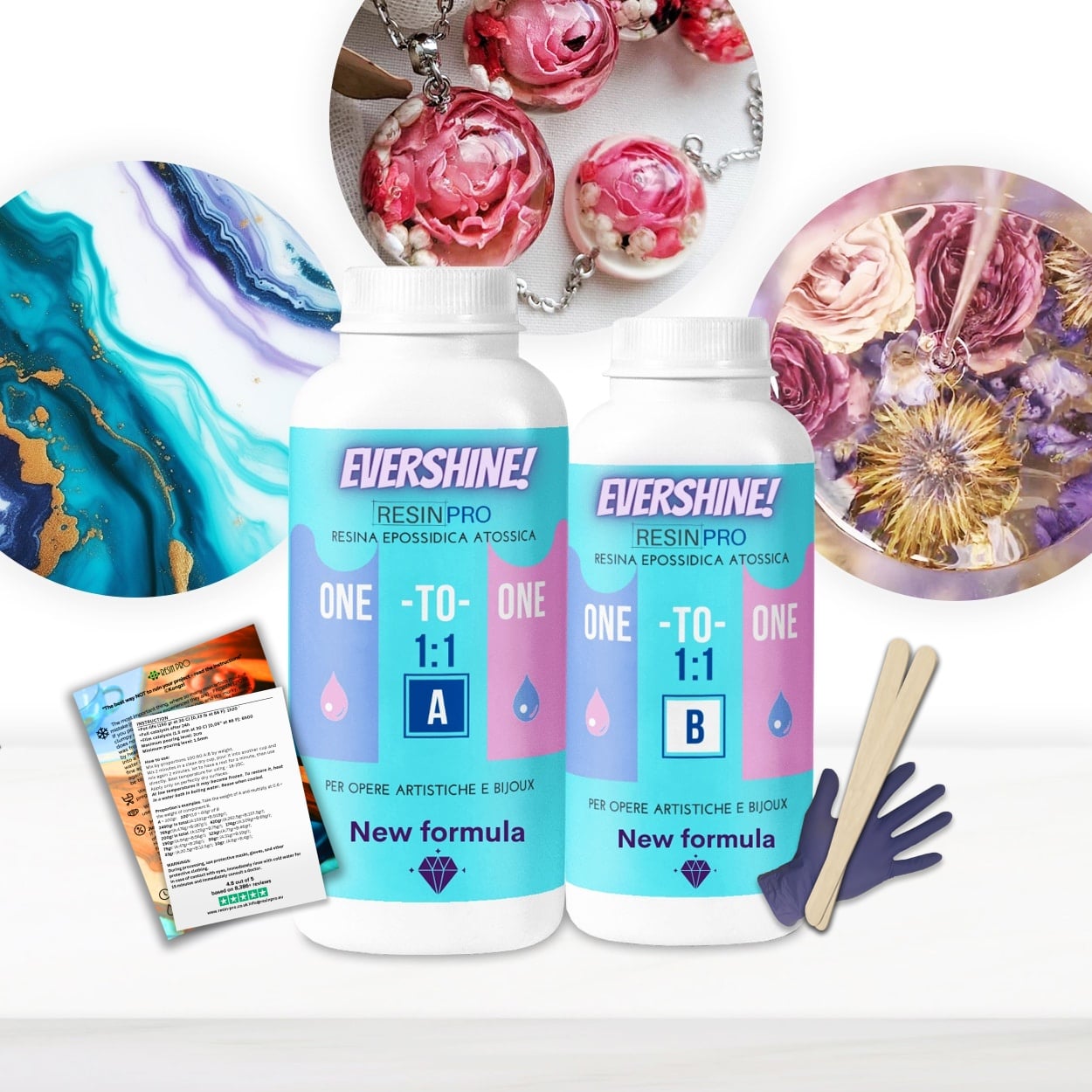 "One-2-One" – Epoxy Resin for Handcraft, 1:1 Mixing RatioPrice range: £14.85 through £56.85"One-2-One" is a medium viscosity epoxy resin with a 1:1 mixing ratio, suitable for handcraft projects including jewellery and coatings.
 "Evershine Collection" – Artisan Jewellery Epoxy Resin Kit with 100+ Accessories£20.85"Evershine Collection" offers a complete resin jewellery kit with 500g clear epoxy and 100+ accessories, suitable for craft projects in this theme.
Frequently Asked Questions
What is the best epoxy resin for embedding insects?
Clear casting resins like Trasparente or Icrystal provide excellent transparency and are designed for small object embedding.
How do I prevent bubbles when embedding insects?
Dry insects thoroughly, pour resin in layers, and remove air bubbles with a toothpick or gentle heat before curing.
Can insects rot inside resin?
If not fully dried, insects can decompose and cloud the resin. Always ensure complete dryness before embedding.
How long does resin take to cure over insects?
Most resins require 24–48 hours to cure fully. Check manufacturer recommendations for your chosen product.
Can I use any type of resin to embed insects?
Use clear, slow-curing casting resins for best results. Shallow layers improve clarity and reduce heat-related issues.
How do I embed multiple insects in one piece?
Embed insects between layers, allowing each pour to partially set before adding the next for proper positioning and clarity.
Are resin-embedded insect pieces safe to handle?
Yes, fully cured epoxy resin is inert and safe for handling and display, provided safety instructions are followed during crafting.