 Free shipping on orders over £29,85
  Shipping Tracking!


 Google
 Facebook
← Back to How do you anchor rebar with epoxy resins?
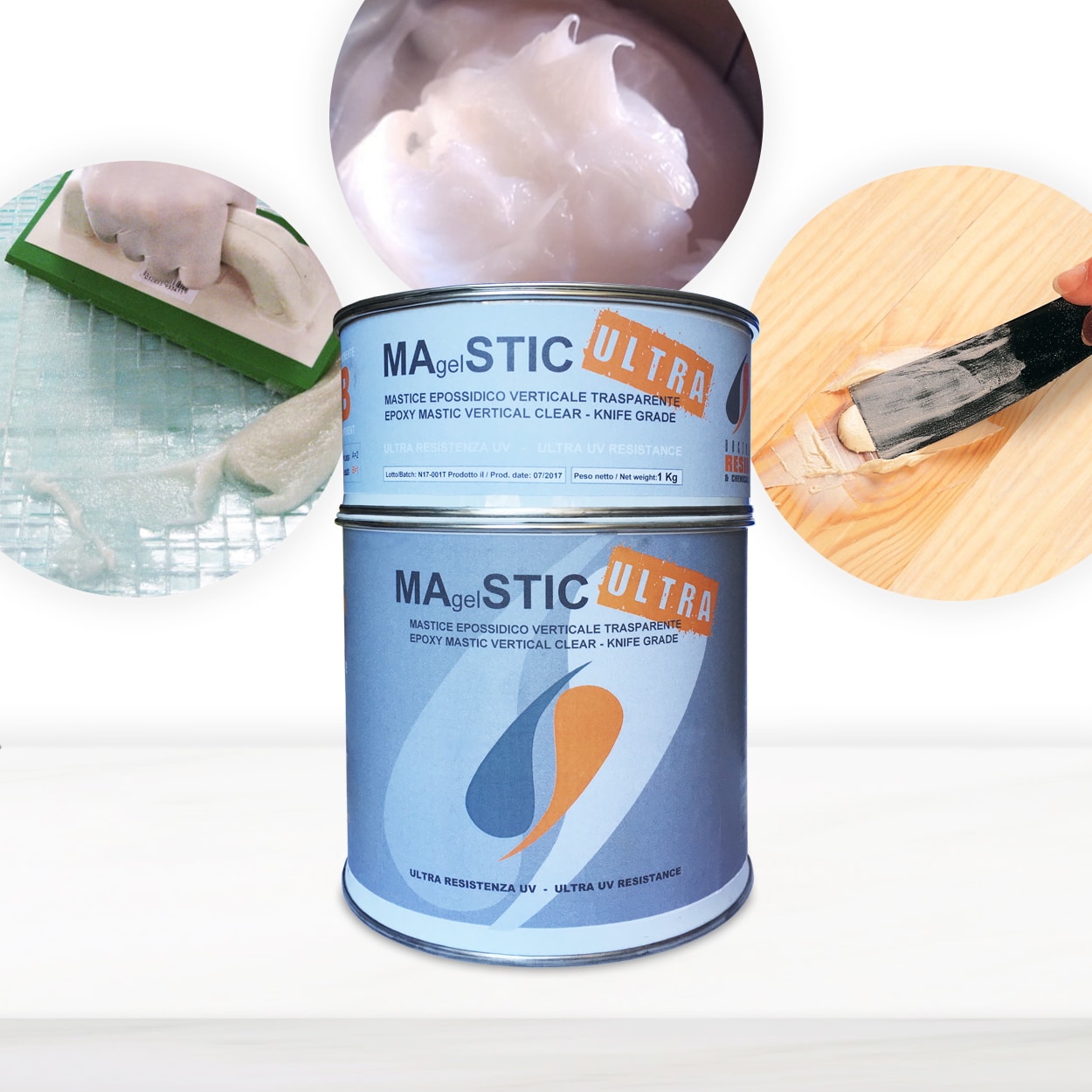
Getting the perfect cure from any epoxy resin project begins with proper mixing. Even minor errors can compromise the strength and performance of your finished result. Here’s how to achieve a consistent and reliable epoxy mix every time.
Most Common Epoxy Mixing Errors
- Incorrect mixing ratios: Each epoxy formulation requires an accurate ratio, often listed on the technical data sheet—such as 100:50 or 1:1 by weight or volume. Deviating from this undermines the cure and can leave the surface sticky or weak.
- Oversized batches: Mixing more resin than you can use within the product’s working time is a frequent pitfall. Large quantities can generate excess heat, accelerating curing and making the product difficult to apply smoothly.
- Incomplete blending: A thorough mix is crucial for epoxy to set as intended. Scrape the sides and bottom of your mixing vessel to ensure both components combine fully—it only takes a few pockets of unmixed material to affect the integrity.
Best Practices for Reliable Results
- Read the technical sheet: Always check the requirements for the product you’re using. For instance, the “Magelstick” Epoxy Mastic specifies a 100:50 ratio for best performance.
- Prepare only what you need: Calculate the amount required for your task to prevent wastage and overheating. For smaller or more detailed jobs, choose fast-setting options like FixExpress or dosing syringes such as Klebfix.
- Mix with care: Use a flat stirrer, blend slowly, and transfer the mix to a second vessel for a final stir to improve consistency—especially on professional repair projects.
When This Matters: Professional Repairs & Bonding
Mixing mistakes are often most visible when used for structural bonding, such as anchoring rebar, grouting stone, or restoring metal features. Getting it right ensures optimal strength, longevity, and appearance—especially on jobs where durability is non-negotiable.
Related products
Related guides
By understanding and avoiding these common errors, you lay the foundation for strong, reliable epoxy resin work—essential whether you’re tackling repairs, bonding, or anchoring tasks. For more technical insights, explore our full guide on anchoring rebar with epoxy resins.