 Free shipping on orders over £29,85
  Shipping Tracking!


 Google
 Facebook
← Back to How do I mix resins from different suppliers?
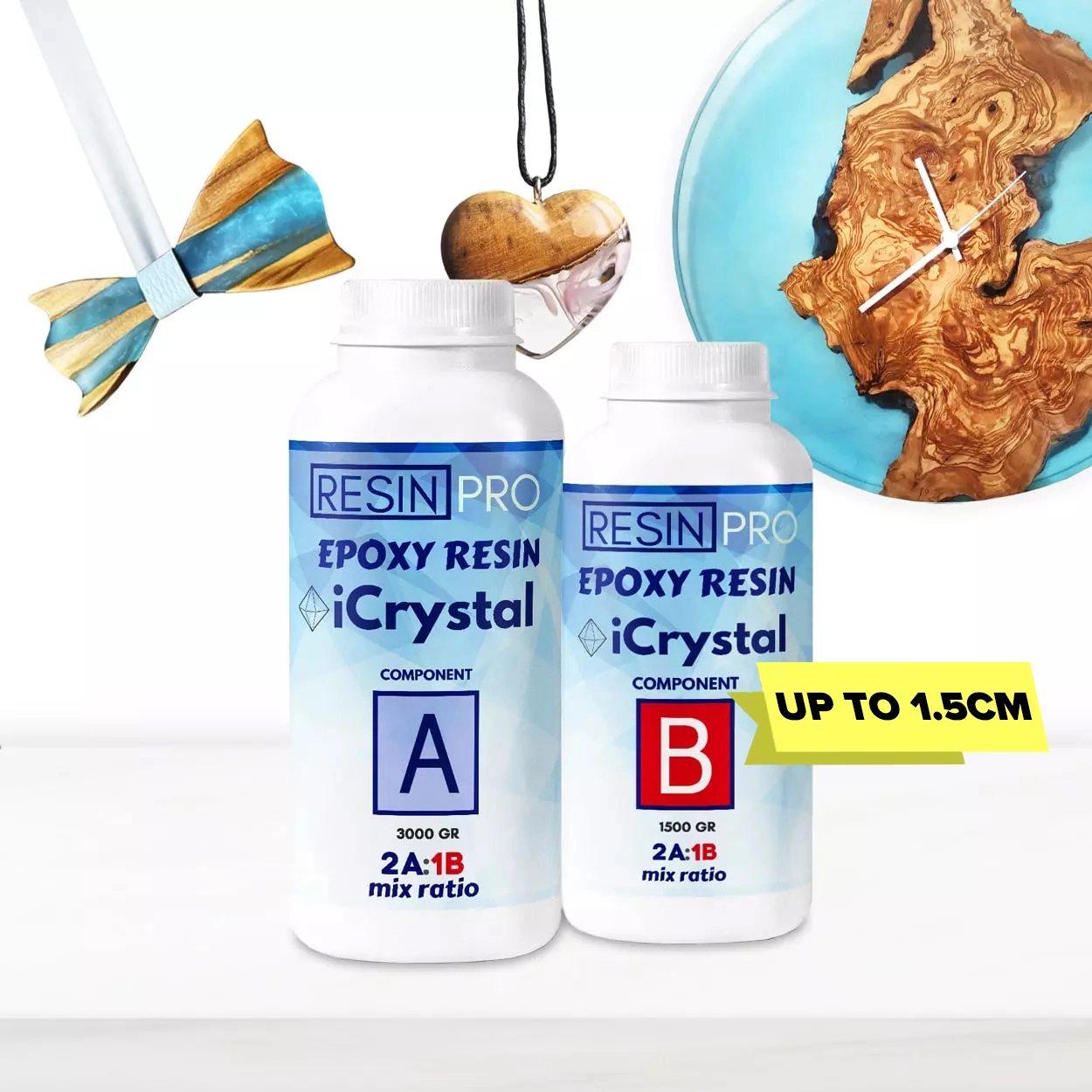
Odourless and non-toxic epoxy resins are increasingly popular among crafters and professionals. But if you’re considering combining them with standard resin formulas, there are important factors to weigh for safety and project success.
Mixing Odourless or Non-Toxic Resins: What to Know
Blending “odourless” or “non-toxic” resins, such as Icrystal – Clear Epoxy Resin, with standard epoxy formulas may seem appealing for achieving a balance of user-friendly and durable properties. However, each resin system is formulated with very specific ratios, hardeners, and additives. Mixing across brands or types without technical guidance can disrupt curing, clarity, and physical properties—potentially resulting in incomplete hardening or unpredictable finishes.
Why Caution is Essential
Every resin—especially those labelled as non-toxic or odourless—is tested for performance with its designated hardener and ratio. Many modern alternatives offer reduced odour and minimal hazardous exposure, but their chemistry still differs from standard systems. By mixing different manufacturer’s products or even two types from the same supplier, you risk inconsistencies in cure times, strength, or appearance. For safety and a reliable outcome, always check with the product’s technical support before experimenting. In most cases, it’s best to use only the components supplied in the kit.
Practical Guidance for Resin Crafters
If you need to combine effects or properties, consider applying resins in sequential layers rather than direct unit mixing. For example, you could layer One-2-One (a non-toxic formula) over a compatible cured base layer of another resin, ensuring each coat is fully set before proceeding. Always follow manufacturer’s guidance for compatibility, especially for projects involving food contact or long-term exposure.
When Mixing Matters Most
This guidance is crucial for anyone seeking unique finishes, combining casting and coating resins, or trying to reduce odour exposure during indoor crafting. When safety, aesthetic consistency, or project durability is a priority, carefully consider your approach to mixing.
Related products
Related guides
Choosing the right resin and following safe mixing practices ensures the best results and a reliable, high-quality finish. For more advice on working with different resin suppliers, visit our main guide on How to Mix Resins from Different Suppliers.