 Free shipping on orders over £29,85
  Shipping Tracking!


 Google
 Facebook
← Back to How to stretch resin to save money?
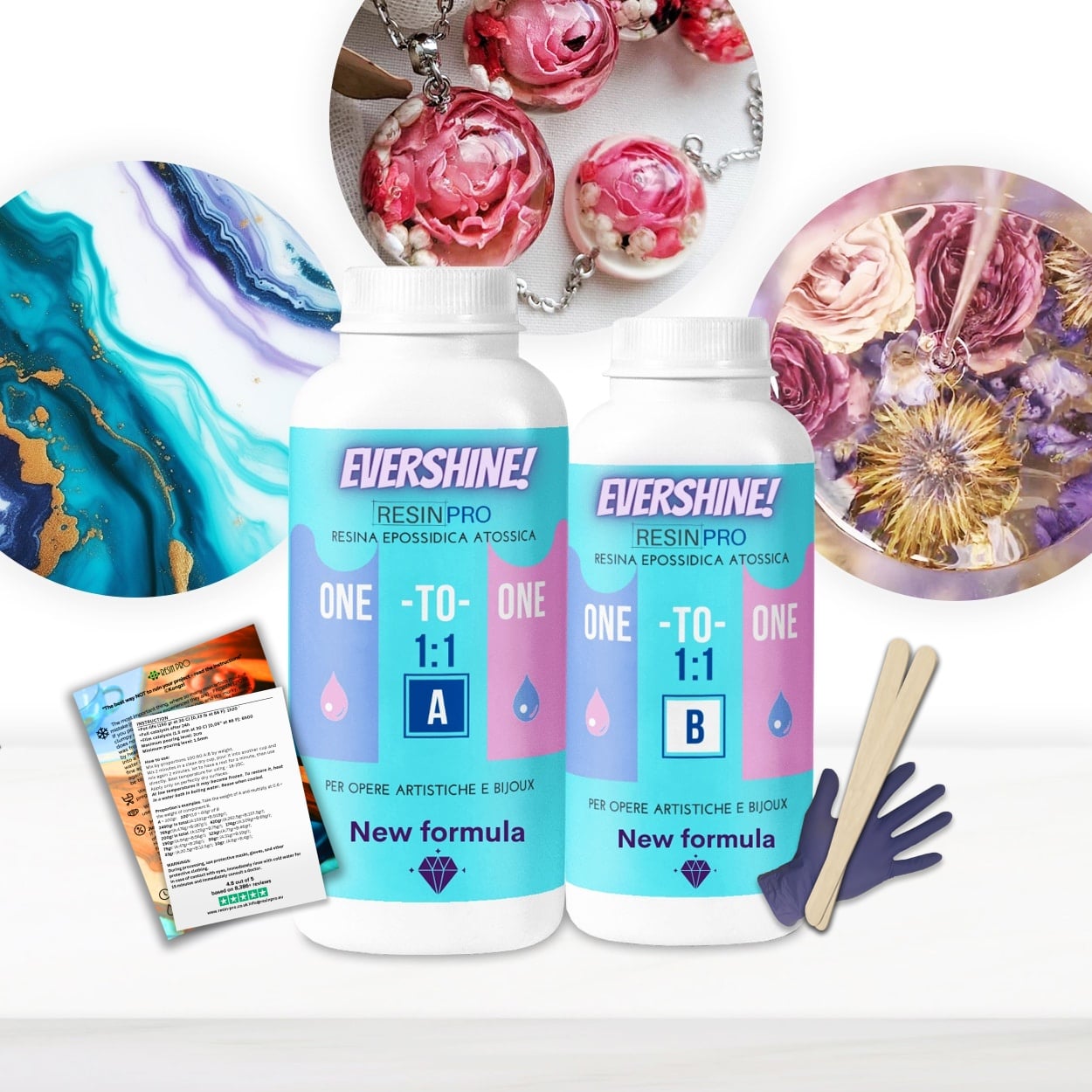
Understanding the mixing ratio of epoxy resin is key to managing both usage and waste. The method you choose can make your project more efficient and help reduce extra costs.
Why Mixing Ratio Matters
Epoxy resins require combining resin and hardener accurately to ensure a successful cure. If the mixing ratio is off, the result can be either soft or tacky outcomes, leading to ruined work and unused resin. Options such as a 1:1 by volume mixing ratio, like that used in the One-2-One epoxy resin, make preparation far easier. This clear guidance helps you to mix just what you need—no more, no less—minimising leftover material.
Practical Tips: Mixing Only What You Need
Always plan your pour and measure carefully. Choose resins with simple ratios if you’re new to the process or working on smaller projects. Pour equal parts resin and hardener for 1:1 systems and mix thoroughly, scraping the sides and bottom of your container. For large pours or table projects, products like “EpoxyTable 5-Five” or “Epoxytable 10-Ten” can be measured by manufacturer guidelines, helping you avoid making more resin than needed.
When This Matters Most
Choosing the correct mixing ratio is especially important for beginners, detailed craft projects, or expensive deep pour builds. Correct measurement saves both resin and hardener, reducing the amount of unused leftovers and the risk of faulty work—all of which help keep your project budget in check.
Related products
Related guides
Choosing resins with clear and simple mixing instructions will help control waste, save money, and ensure a smooth crafting process. For more tips on getting the most from your supplies, explore our advice on how to stretch resin to save money.