 Free shipping on orders over £29,85
  Shipping Tracking!


 Google
 Facebook
← Back to How to create a resin drip effect?
Getting beautifully crisp edges in resin drip art relies as much on your timing as your artistic flair. Monitoring the cure stage allows you to finesse each drip and line for a clean, defined finish.
Why Curing Time Affects Edge Sharpness
The cure stage of your resin determines its viscosity and how it interacts with surrounding colours. If the resin is poured or manipulated while too fluid, colours may bleed and soften, making it difficult to control edge definition. As resin thickens, it holds its form better, allowing for sharp, clean lines and reduced colour migration. This is especially important when creating drip effects, as the flow and containment of each drip relies on the resin setting at the right moment.
Practical Tips for Timing Your Resin Drip
- Test a small batch: Before working on your project, mix a small quantity of resin and observe how its flow changes over time.
- Touch test: Gently touch the surface with a gloved finger—the resin should be tacky but not fully set when applying drips for defined edges.
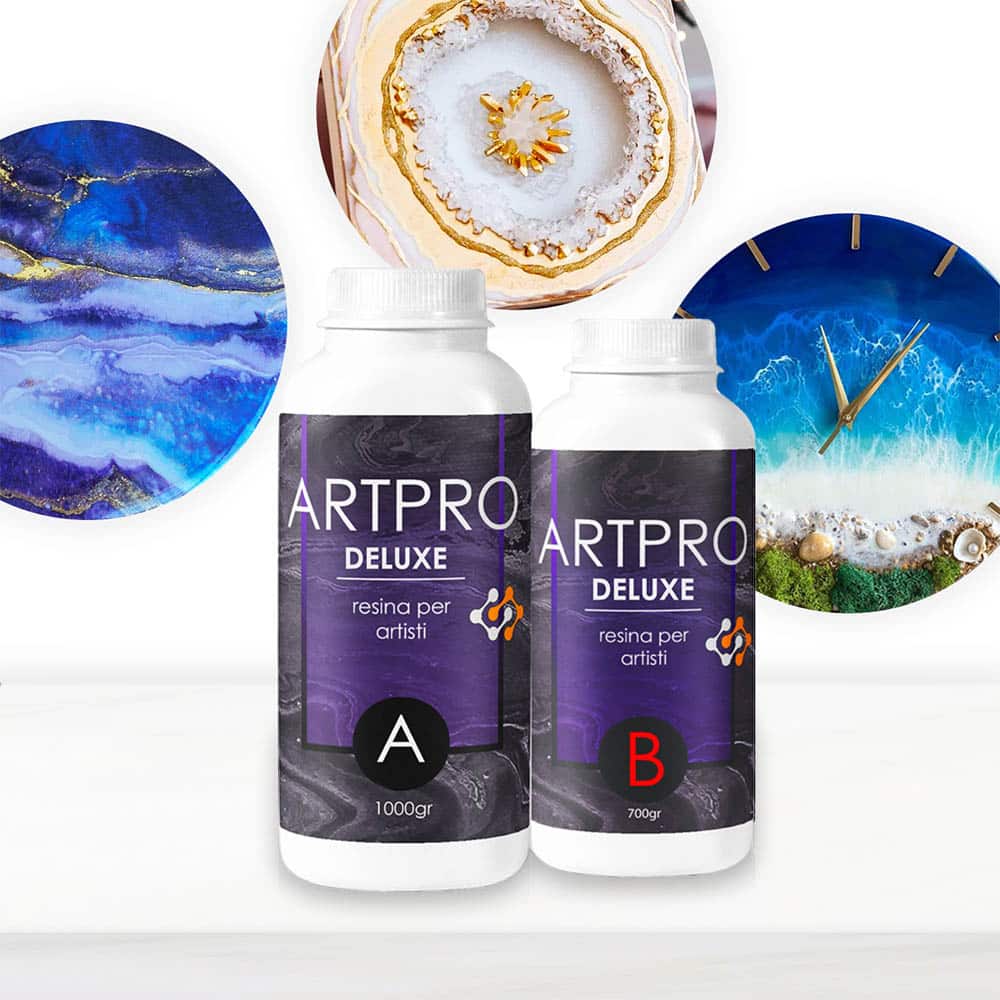
- Use a high viscosity resin: Products like Art Pro Deluxe are designed to reduce unwanted colour mixing, giving artists more control over sharp lines.
- Work in stages: Build your drip effect layer by layer, allowing previous layers to partially cure as needed for crisp separation between colours.
When Monitoring Curing Times Matters Most
Careful timing is crucial when sharp, unmixed edges define your design—especially in functional art like coasters, trays, or statement pieces, where clarity and precision are prized. It matters most when working with multiple colours or when gravity-fed drips must retain a sculptural quality.
Related products
Related guides
Mastering resin curing times is key to perfecting the drip effect, resulting in professional-looking, crisp edges. Discover more essential tips for resin art and advanced techniques on our resin drip effect hub.