 Free shipping on orders over £29,85
  Shipping Tracking!


 Google
 Facebook
← Back to How to resin a marble staircase?
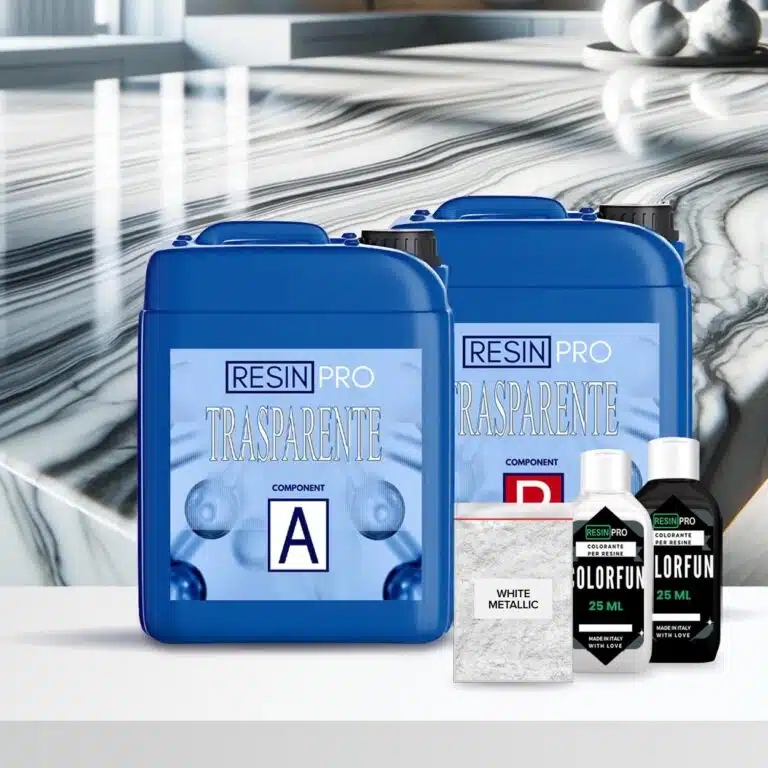
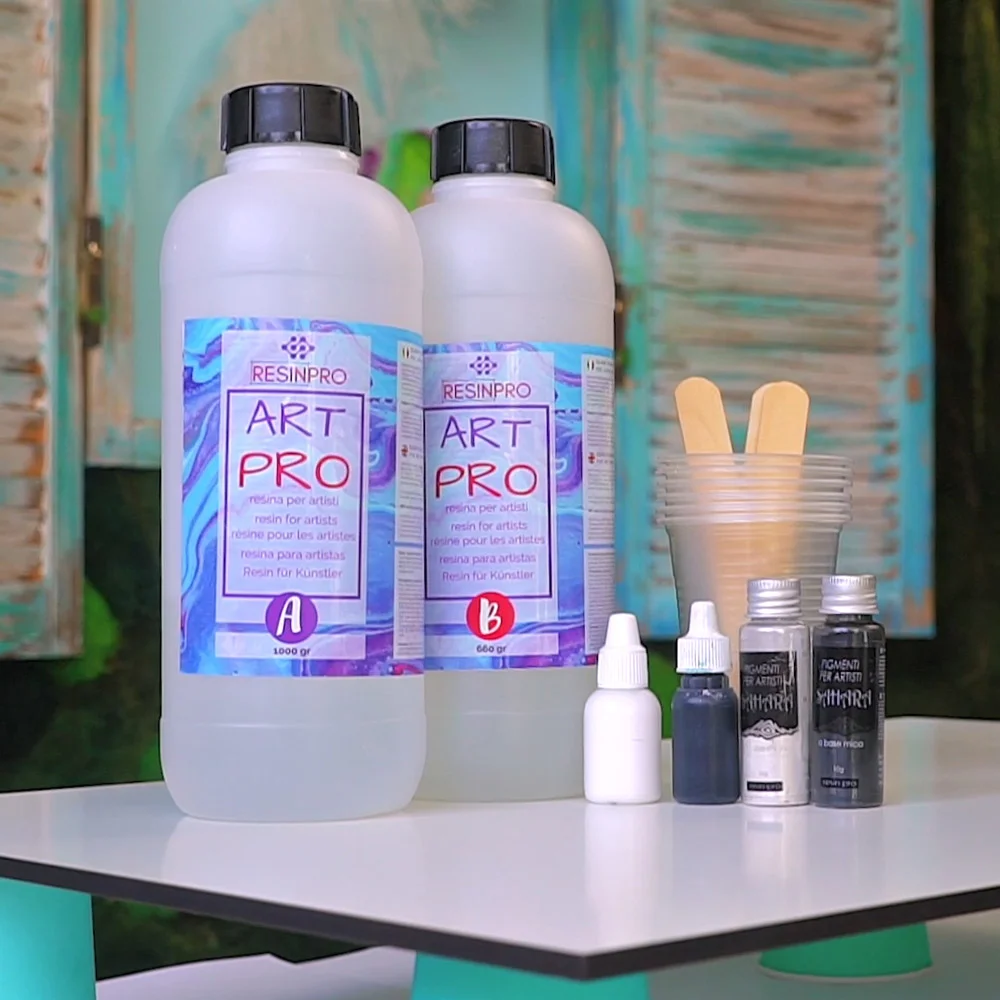
If you are aiming for a smooth, durable finish on marble stairs, you might be wondering about applying multiple resin layers. Doing so can improve coverage and surface uniformity, but timing and technique are key for best results.
Applying Multiple Resin Layers: Best Practices
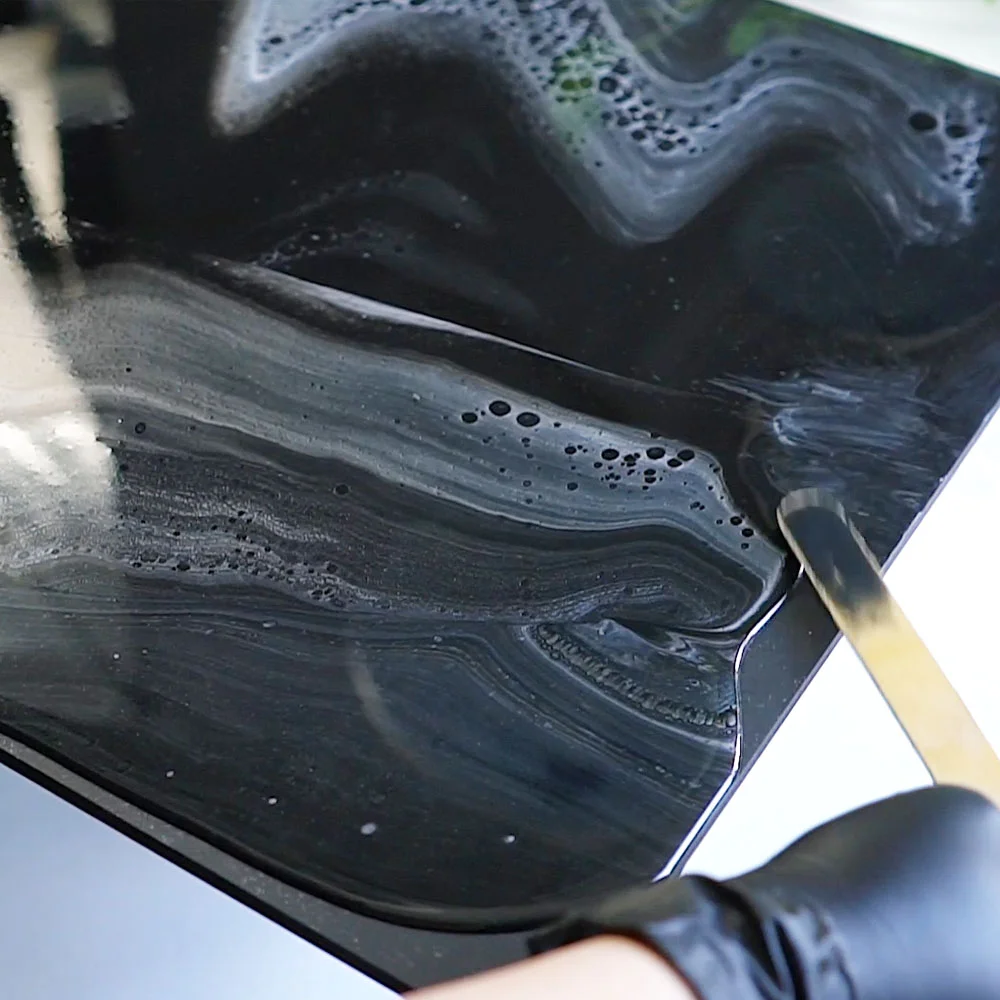
Resin can be built up in several thin layers on marble staircases. Each layer should be poured after the previous one is fully cured to a tack-free stage. This ensures reliable adhesion while reducing the risk of surface imperfections or clouding. It’s a good idea to lightly sand the surface between coats to promote a mechanical bond.
If using kits like the Stone Effect Collection Marble Epoxy Resin Countertop Kit, follow the kit’s recommended drying and re-coating times for the best outcome.

Choosing the Right Resin and Application Tips
Opt for a clear, self-levelling epoxy resin suitable for veneer surfaces, such as Icrystal or Trasparente. These products are designed for use on marble and offer excellent scratch resistance for high-traffic steps. For each pour, avoid exceeding the manufacturer’s maximum recommended thickness, usually between 1.5 cm and 2 cm, to prevent overheating and ensure even curing.
- Always clean and degrease marble before starting.
- Work in dust-free conditions to prevent particles settling on wet resin.
- Protect surrounding areas from accidental drips.
When Does Layering Matter Most?
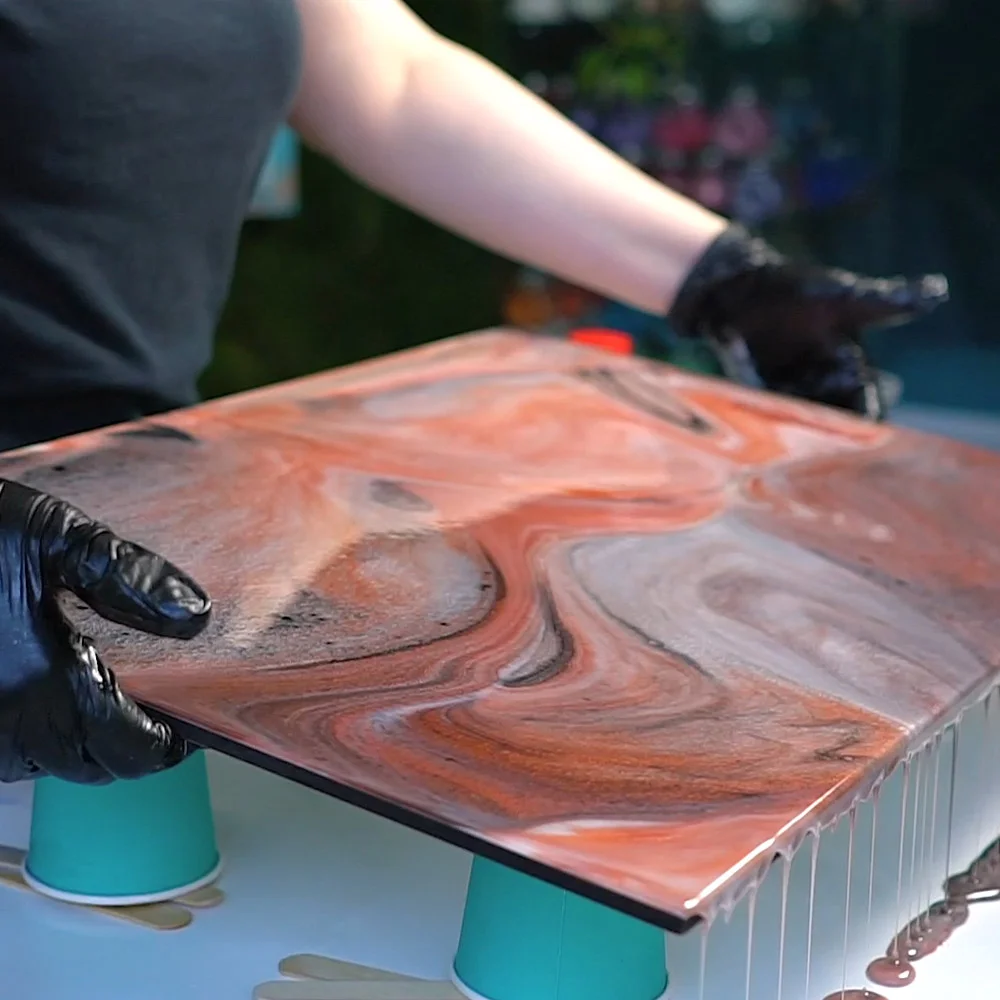
Applying several resin layers is especially useful when original marble is damaged or uneven. Layering also helps achieve deeper gloss and superior wear resistance on stairs frequently exposed to foot traffic, cleaning, or moisture.
Related products
Related guides
Layering resin on marble stairs is entirely possible and helps achieve a more resilient, professional result. For a deeper dive into surface preparation and advanced finishing tips, see our main guide on resining a marble staircase.