 Free shipping on orders over £29,85
  Shipping Tracking!


 Google
 Facebook
← Back to How much does permeable flooring for villas cost?
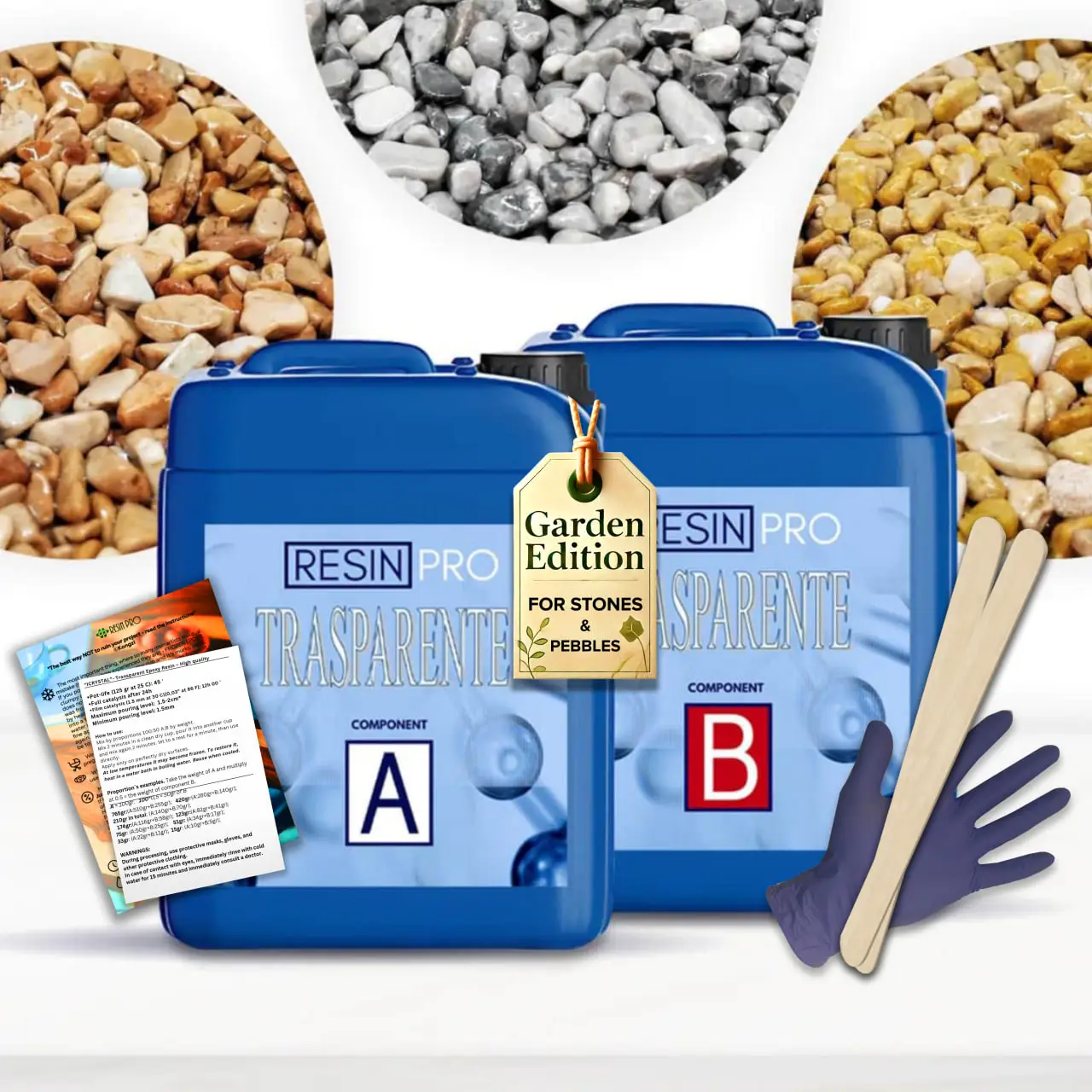
Choosing the right resin is essential for maintaining the beauty and functionality of permeable villa floors. Non-yellowing polyurethane plays a key role in keeping outdoor surfaces pristine and visually appealing over time, especially in sun-exposed areas.
What Is Non-Yellowing Polyurethane?
Non-yellowing polyurethane is a type of resin binder specially formulated to resist discolouration from sunlight. Unlike some standard resins, it maintains its clear or original finish even after prolonged outdoor exposure. This makes it a preferred option for permeable flooring where the aesthetics of white or light aggregates are important. When paired with quality pebbles or stones, non-yellowing polyurethane helps preserve their fresh appearance.
Where and When Should You Use It?
Non-yellowing polyurethane is particularly suitable for surfaces finished with white stones or pale aggregates, where even minor yellowing would be noticeable. For example, driveways, garden paths, and terraces on villas benefit most when you want to retain a bright, clean look for years. For coloured and darker stones, a clear, UV-stable epoxy such as the “Trasparente” epoxy binder may also be considered, offering good resistance to sunlight and wear.
Practical Application Tips
- Always follow the manufacturer’s guidance on mixing and surface preparation for best results.
- If using with white pebbles or light-toned aggregates, opt for non-yellowing polyurethane to keep surfaces looking crisp.
- For coloured or dark aggregates, a UV-resistant epoxy binder provides lasting clarity.
- Proper installation and curing under suitable weather conditions further extend your floor’s lifespan and appearance.
Related products
Related guides
Understanding the value of non-yellowing polyurethane ensures your permeable villa flooring looks its best and stands up to the elements. Explore the complete range of suitable products for villa floors here.