 Free shipping on orders over £29,85
  Shipping Tracking!


 Google
 Facebook
← Back to How many layers can be made with one kilogram of resin?

When working with resin projects that require multiple layers, controlling heat build-up—known as an exothermic reaction—is essential. Overheating in multilayer pours can lead to warping, bubbling, and even irreversible damage to your casting.
Stick to Recommended Layer Thickness
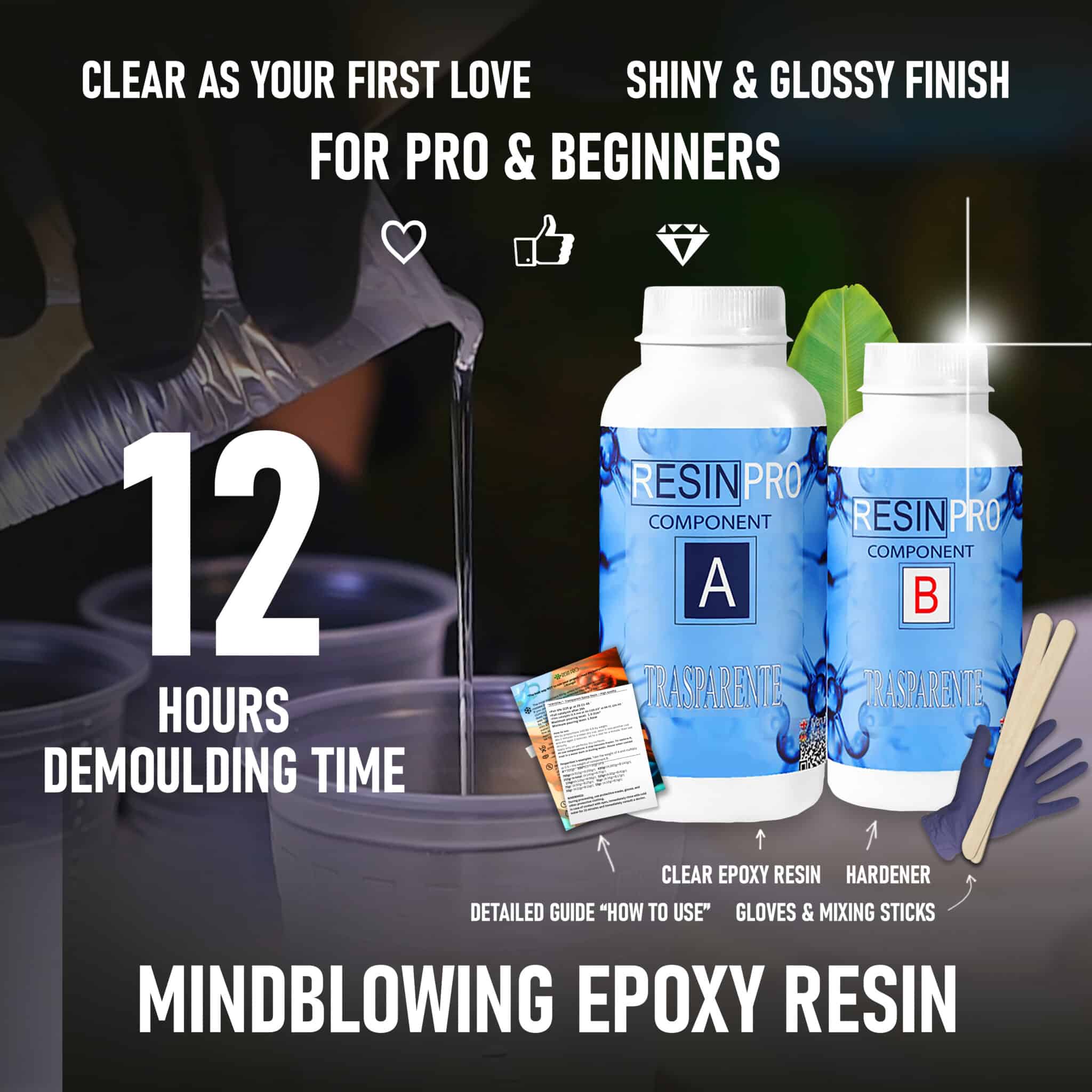
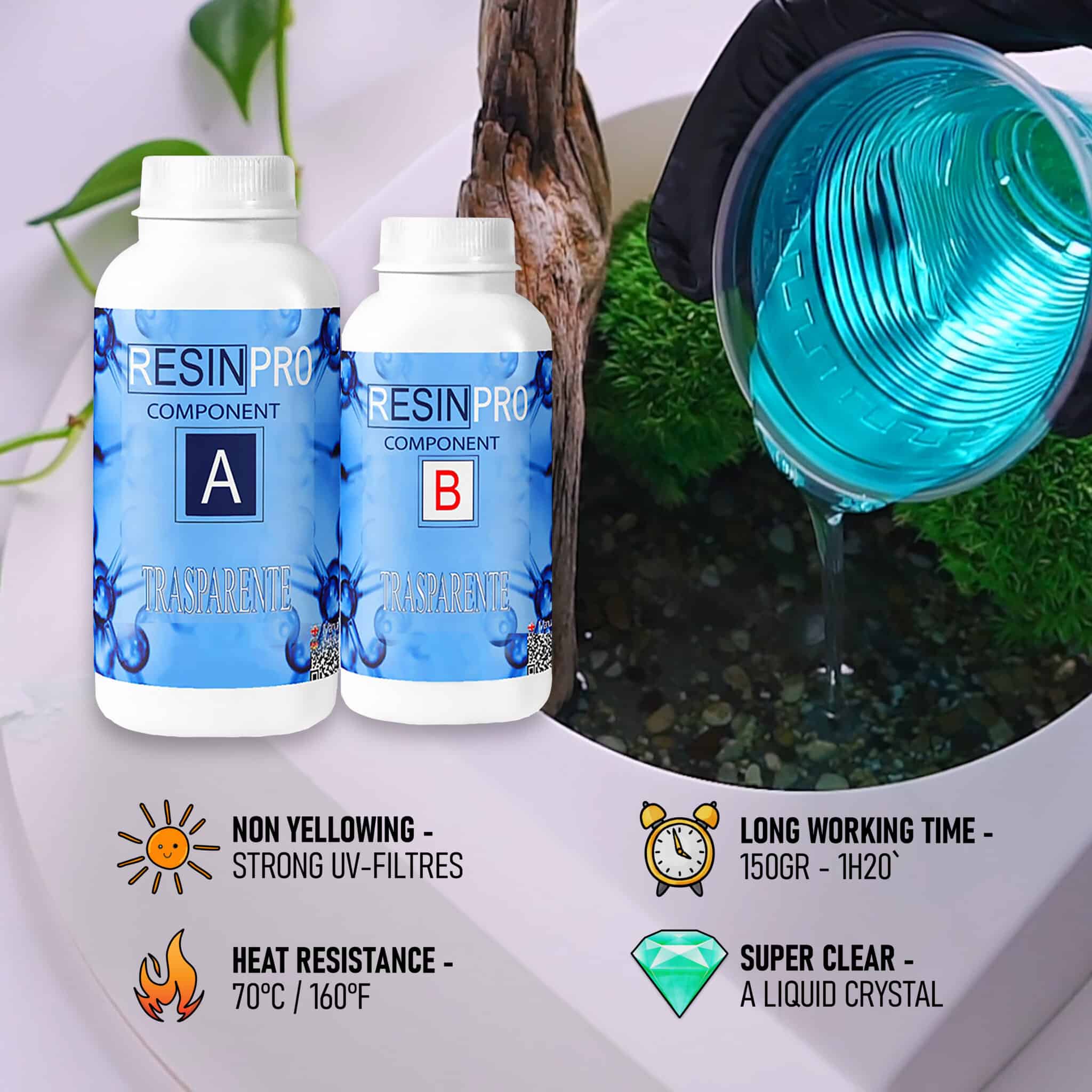
Each type of epoxy resin has a safe maximum layer thickness. Exceeding this can rapidly build up excessive heat, risking your project. For example, Trasparente Clear Epoxy Resin is designed for layers up to 2cm, while deeper pour resins like EpoxyTable 5-Five or Icrystal offer their own recommendations (typically between 1.5cm and 5cm per layer). Always check the specific product guidance before pouring.

Allow Full Curing Between Layers
Patience is vital: let each layer cure completely before adding the next. Rushing subsequent pours while the previous layer is still generating heat increases the risk of overheating. Usually, it’s best to wait the full recommended curing time—often ranging from 6-24 hours, depending on the resin and ambient temperature—before proceeding. This approach also ensures optimal layering and adhesion.
Control Your Pouring Environment
External conditions matter just as much as pour technique. Work in a space that is well ventilated and has a moderate, stable temperature—avoid overly warm rooms. Keep away from direct sunlight or heat sources, and don’t accelerate the process with heat guns or hot baths. These steps reduce the risk of unwanted exotherm and help keep your pours crystal clear.

When Careful Layering Is Crucial
- Large or deep casts, such as tables or artwork, where resin volume per layer is significant.
- Projects with decorative inlays, where overheating could distort materials.
- Situations where clarity, bubble control, and a flawless finish are top priorities.
Related products
Related guides
By respecting pour depths, curing times and working in stable conditions, you’ll prevent overheating in multilayer resin projects. For more insights about resin pours, be sure to see our full guide on how many layers can be made with one kilogram of resin.