 Free shipping on orders over £29,85
  Shipping Tracking!


 Google
 Facebook
Permeable Flooring vs Concrete – Which is Best for Your Project?
Compare the benefits of permeable flooring and concrete for UK outdoor spaces.

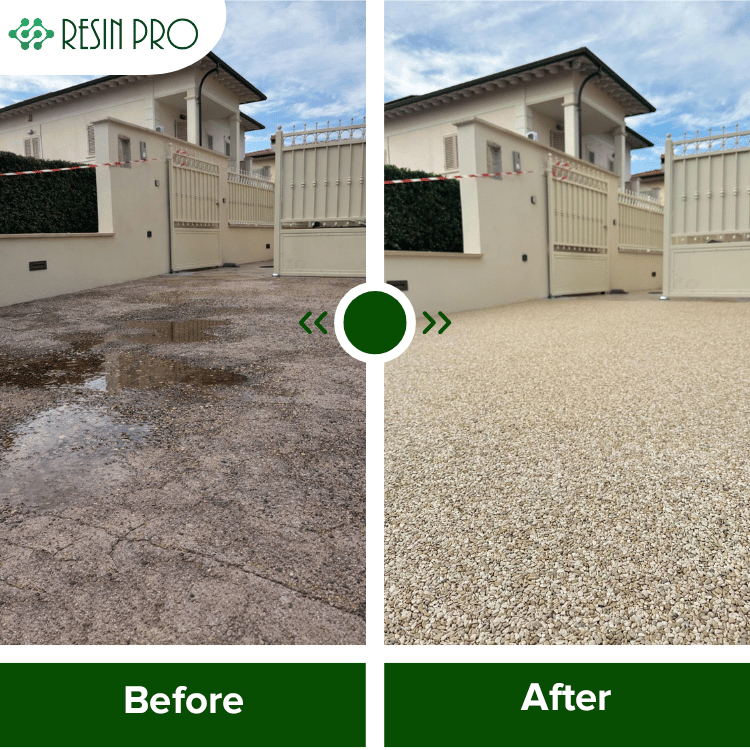
Choosing between permeable flooring and traditional concrete can significantly impact your property’s drainage, durability, and visual appeal. Both options cater to distinct outdoor requirements, from supporting sustainable urban drainage to achieving robust and low-maintenance finishes. Whether you are surfacing a driveway, patio, garden path or larger communal area, understanding the differences between these materials is essential for long-lasting results tailored to the UK climate.
Permeable Flooring Explained
Permeable flooring systems are designed to allow water to pass through the surface, disrupting the cycle of water pooling and helping to prevent localised flooding. Solutions like the “Flowstone” – Complete Permeable Floor Kit with Pebbles and Resin are ideal for UK outdoor environments, combining natural pebbles with resin binders. This results in a durable, anti-slip surface with excellent drainage properties. Permeable solution: Allows water drainage, preventing puddles, even in high-rainfall areas.
Washed Pebbles for Permeable Floors 25kg – Outdoor Resin-Bound Surfaces provide the high-quality aggregates necessary for customising your finish. By using pre-washed pebbles, you ensure hassle-free installation and reliable permeability for patios, pathways, and garden projects. Both products prioritise eco-friendly design and support sustainable outdoor landscaping in domestic and commercial settings.
Applications for permeable systems include:
- Driveways and parking areas subject to frequent rain
- Garden paths, terraces, and communal courtyards
- Public squares, parks, and cycle paths
The Role of Concrete and Resin Seals in Outdoor Spaces
Traditional concrete remains a popular choice for outdoor surfaces due to its strength and versatility. For those who want to protect concrete while improving function, the “Resinstone” – One-Component Methacrylic Resin for Concrete Floors and Driveways acts as an efficient sealant. This one-component methacrylic resin delivers waterproof protection, durable protection against chemicals and weather, and quick drying times for minimal downtime.
Ideal for both residential and commercial properties, “Resinstone” deeply penetrates absorbent surfaces like concrete, increasing mechanical strength and resilience against scratches, UV rays, and daily traffic. If you require a surface that is robust yet breathable, this resin ensures moisture is kept at bay while allowing your concrete to maintain its structural integrity over time.
Concrete with resin sealing is best for:
- Garages, driveways, and outdoor paths requiring mechanical resistance
- Situations needing fast surface return to service (dry in under 12 hours)
Permeable vs Concrete: Product Comparison Overview
| Feature | “Flowstone” Kit | “Resinstone” Resin | Washed Pebbles |
|---|---|---|---|
| Best for | Driveways, patios, pedestrian zones | Concrete floors, garages, stamped driveways | Resin-bound permeable surfaces (with “Flowstone”) |
| Drainage | Excellent – allows rainwater through | No (sealed surface, breathable) | Excellent when used with resin |
| Durability | High, weather resistant, anti-slip | High, chemical/UV/weather protected | Depends on binder used |
| Customisation | Many colours/granules | Clear or pigmented resin only | Can mix with marble, granite |
| Application | Step-by-step DIY friendly | No mixing required | Washed & ready to use |
| Maintenance | Low, easy to clean | Low, easy to clean | Low (when resin-bound) |
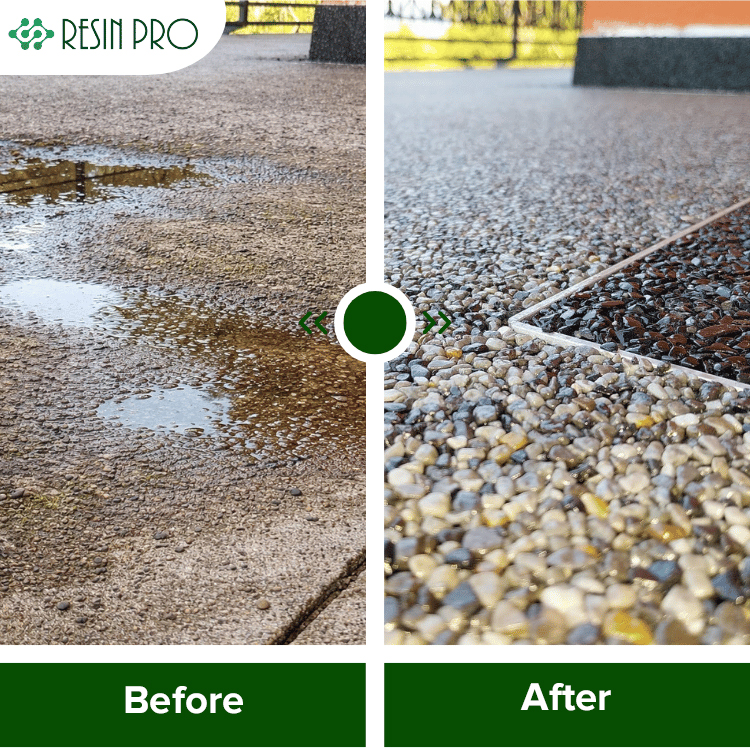
Visual Examples: Permeable and Concrete Floor Solutions
Explore real-world installations that highlight the distinct finishes and drainage benefits of our permeable flooring kits and resin-sealed concrete. See how Flowstone enhances outdoor areas with customisable pebble surfaces, and how Resinstone delivers robust, seamless results on driveways and patios.
When to Choose Permeable Floors Over Concrete?
If your priority is eco-friendliness and stormwater management, permeable solutions like the “Flowstone” – Complete Permeable Floor Kit with Pebbles and Resin combined with natural Washed Pebbles for Permeable Floors 25kg – Outdoor Resin-Bound Surfaces are ideal. These systems allow rainwater to disperse, addressing the challenges of surface runoff and local flooding. The simple application and cost-effective renewal make them accessible for DIY projects as well as landscaping professionals.
Permeable floors are especially recommended for pedestrian areas, gardens, terraces, and public shared spaces where aesthetics, drainage, and an anti-slip surface are desirable.
Resin-bound systems are also highly customisable. Employ non-yellowing polyurethane for white aggregates and low-yellowing epoxy for coloured stones to maintain brilliant colours and longevity for years to come.
Concrete and Resin – The Right Choice for Heavy Use Areas
For high-traffic vehicle areas or places demanding robust protection, sealing concrete with “Resinstone” – One-Component Methacrylic Resin for Concrete Floors and Driveways gives you durable protection and waterproof performance. This approach delivers deep capillary penetration in absorbent surfaces, dramatically improving resistance against wear, chemicals and weather extremes – without complicated mixing or long curing times. Quick-drying capability means your surfaces are ready for use in under 12 hours.
If your substrate is concrete or another absorbent material and you need strong mechanical and chemical resistance, “Resinstone” stands as a versatile and long-lasting solution for garages, paths, and industrial yards alike. However, for loose gravel or non-absorbent bases, a dedicated gravel binder or permeable floor system is required.
Choosing the Right Materials for Lasting Value
Assess site needs before deciding: permeable systems such as Washed Pebbles for Permeable Floors 25kg support water management, while resin-sealed concrete maximises resilience and ease of upkeep where heavy use and moisture exposure are concerns.
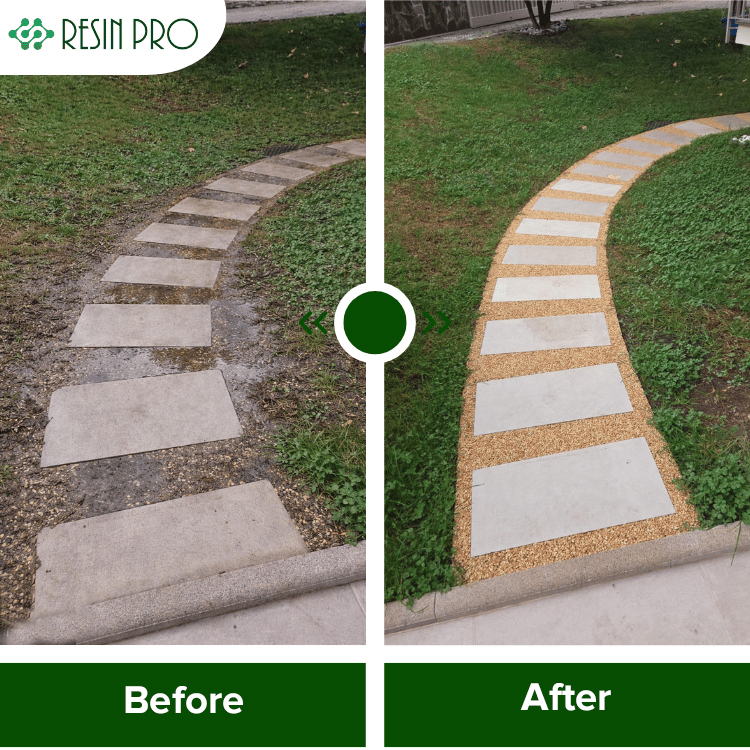
Making Your Outdoor Project Sustainable and Stylish
Whether you prioritise drainage, longevity or low maintenance, both permeable flooring and sealed concrete offer major benefits for the UK’s changing outdoor environments. If you are still unsure about the best system for your project, explore our range of Pebble Floors and multipurpose epoxy resins for additional inspiration and tailored solutions.
Planning your outdoor transformation? Contact us for guidance or browse the products above to get started on a surface that serves both form and function for years to come.
- "Flowstone" – Complete Permeable Floor Kit with Pebbles and ResinPrice range: £42.85 through £3,389.85Flowstone kit offers a permeable, durable pebble and resin flooring solution with guidance for resin selection and simple application for outdoor use.
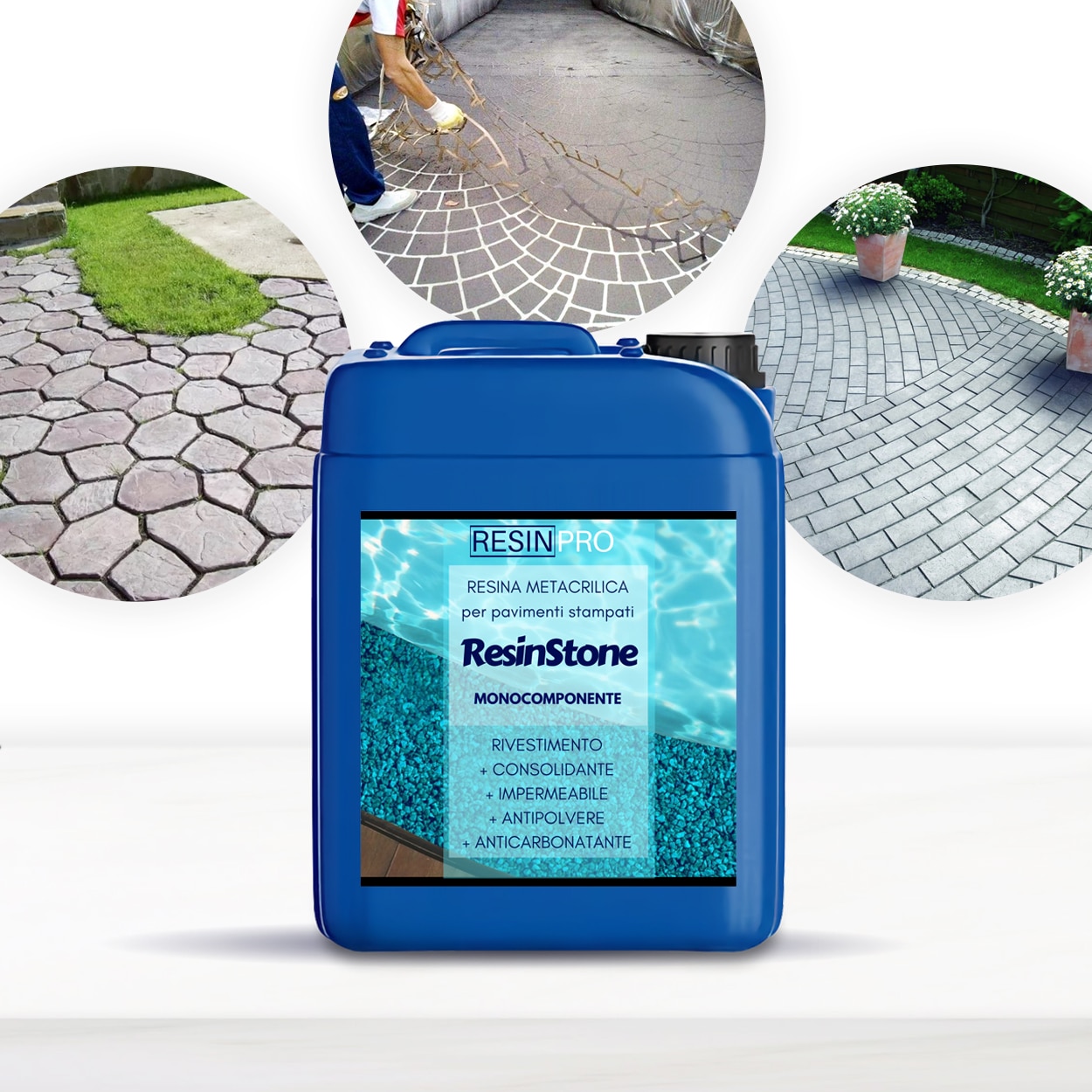 "Resinstone" – One-Component Methacrylic Resin for Concrete Floors and DrivewaysPrice range: £29.85 through £59.85RESINSTONE is a one-component methacrylic resin designed for sealing and protecting concrete floors and driveways in permeable flooring or concrete?…
 Washed Pebbles for Permeable Floors 25kg – Outdoor Resin-Bound Surfaces£26.85Washed Pebbles for Permeable Floors 25kg provide natural aggregates suitable for outdoor resin-bound surfaces to support permeable flooring.
Frequently Asked Questions
What types of resin do you offer for flooring?
We offer resins for industrial cement-based floors, coloured self-levelling floors, garage floors, permeable pebble flooring and tile coatings.
What are the advantages of resins compared to other flooring materials?
Resins are valued for high wear resistance, easy maintenance, exceptional durability, waterproofing and their highly customisable aesthetics.
Are specific weather conditions required for resin application?
Yes, appropriate conditions are needed for the best adhesion and curing. Avoid very low or high temperatures and high humidity levels.
What is a permeable floor?
A permeable floor is a surfacing solution that allows rainwater to pass through, reducing puddling and the risk of flooding. It uses granules and resin to disperse water effectively into the subsoil.
Where is it recommended to install a permeable floor?
Permeable floors are best for areas with frequent rain: car parks, driveways, gardens, courtyards, public terraces, paths and parks.
Can I install a permeable floor myself?
Yes, with clear instructions and the right tools, self-installation is simple. For larger spaces, a cement mixer is helpful for combining granules and resin uniformly.
Are permeable floors suitable for high-traffic areas?
Granule and resin-bound permeable floors provide excellent strength and are well suited for pedestrian walkways, driveways and car parking zones given proper installation and materials.
Can RESINSTONE be used as a gravel binder or to seal resin gravel?
RESINSTONE is intended for absorbent surfaces like concrete. For bonding loose gravel, use a dedicated stone binder, and for sealing resin-bound gravel, opt for a suitable polyurethane resin topcoat.