 Free shipping on orders over £29,85
  Shipping Tracking!


 Google
 Facebook
← Back to How are resin floors made?
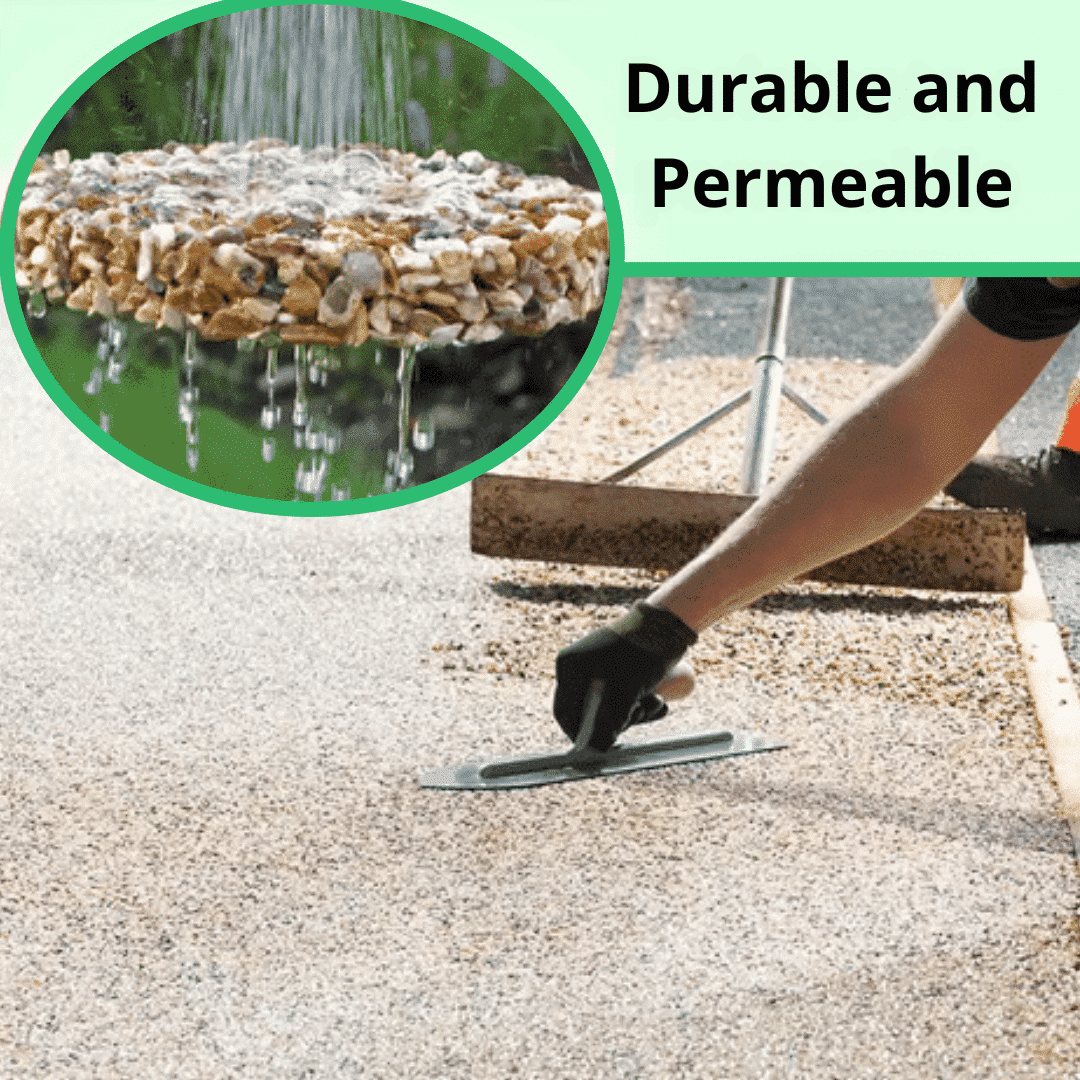
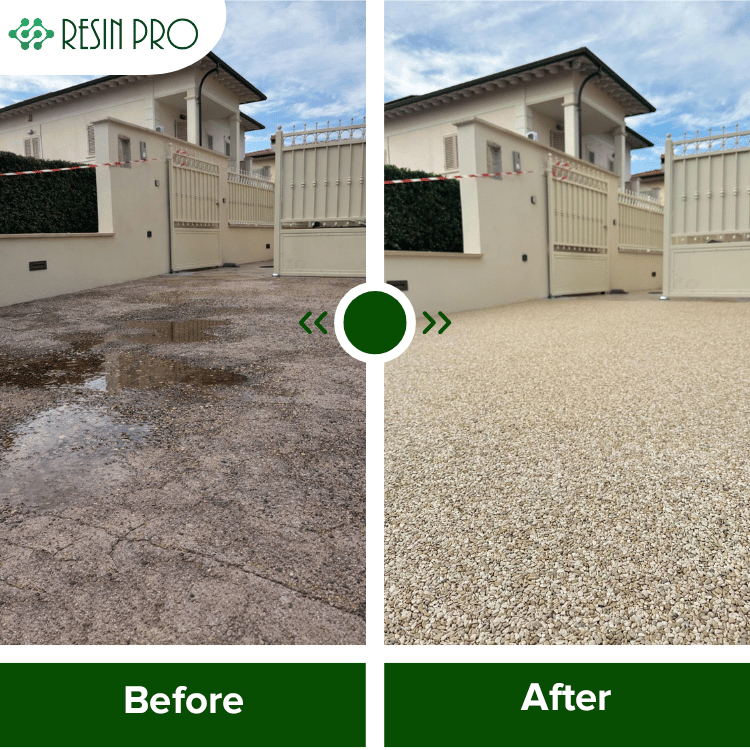
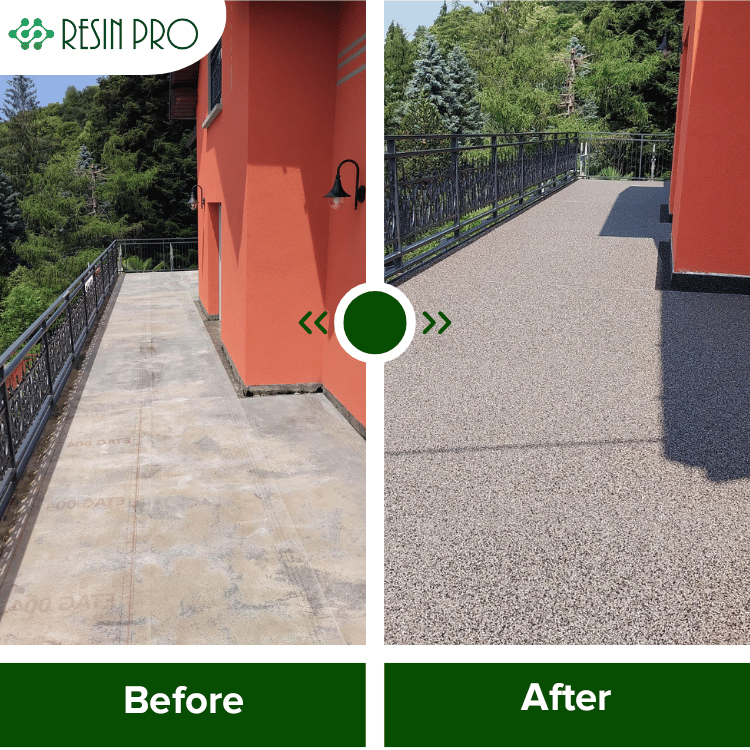
Permeable resin-bound systems are specially designed surfaces that let rainwater drain through, helping to prevent puddles and localised flooding. They combine natural aggregates with resin for an attractive, practical finish – ideal for UK driveways, patios, and garden paths.
How Permeable Resin-Bound Floors Are Made
A permeable floor is typically created by combining carefully graded, pre-washed pebbles or stone with a transparent resin binder. This mixture is blended thoroughly, often using a cement mixer for larger projects, before being spread and levelled over a prepared base. Unlike loose gravel, the resin binds the stones together, forming a stable yet draining surface. Correct choice of binder ensures optimal performance and preserves the colour of the stones.
Benefits and Practical Applications
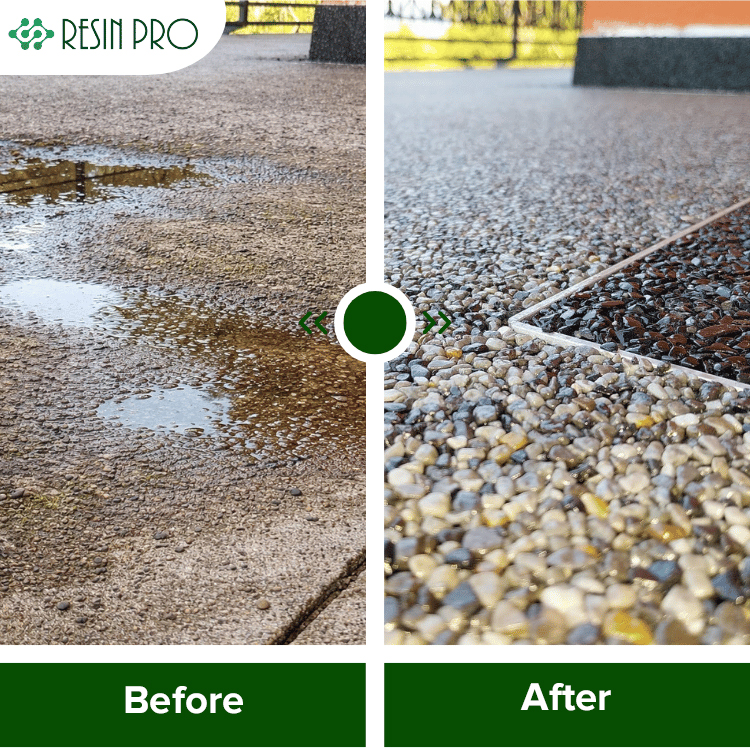
- Water drainage: The open structure lets rain pass through, minimising puddles and surface water issues.
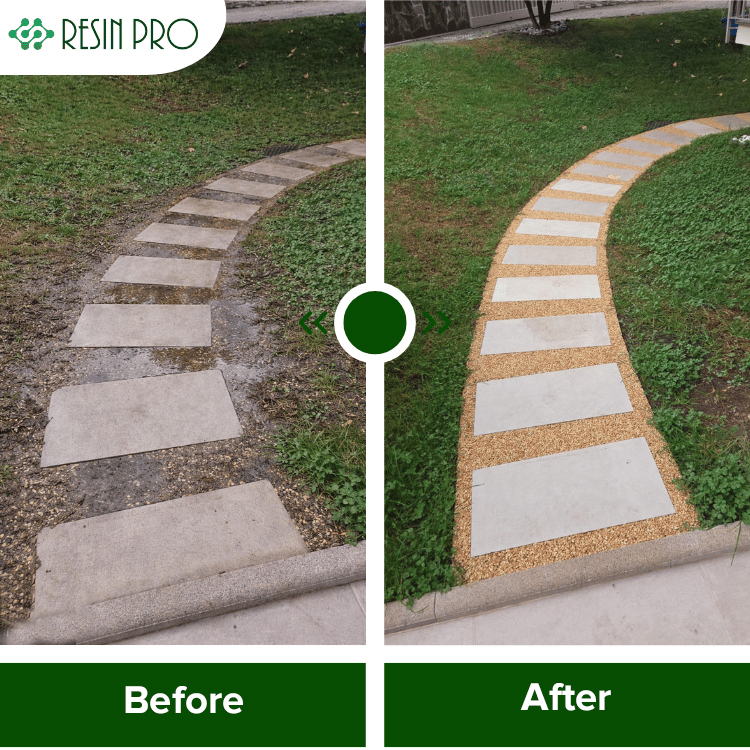
- Durable and versatile: When properly installed, these systems withstand foot traffic, driveways and car parks.
- Customisable appearance: There’s a wide range of aggregate colours and sizes, easily mixed with marble or granite for bespoke effects.
For a convenient all-in-one solution, consider the “Flowstone” Complete Permeable Floor Kit – it includes everything needed for surface preparation and clear resin application guidance.
When This Matters
Permeable resin-bound systems are especially useful in outdoor spaces where traditional hard surfaces could cause water runoff. They’re well-suited to UK weather, directly addressing local issues such as surface flooding and standing water on drives, pathways and patios.
Related products
Related guides
Whether you’re updating a driveway or creating a garden path, understanding permeable resin-bound systems equips you to choose a durable, attractive solution that manages water efficiently. Explore further details on resin flooring approaches and installation by visiting our main guide on how resin floors are made.