 Free shipping on orders over £29,85
  Shipping Tracking!


 Google
 Facebook
← Back to How to colour marble resin?
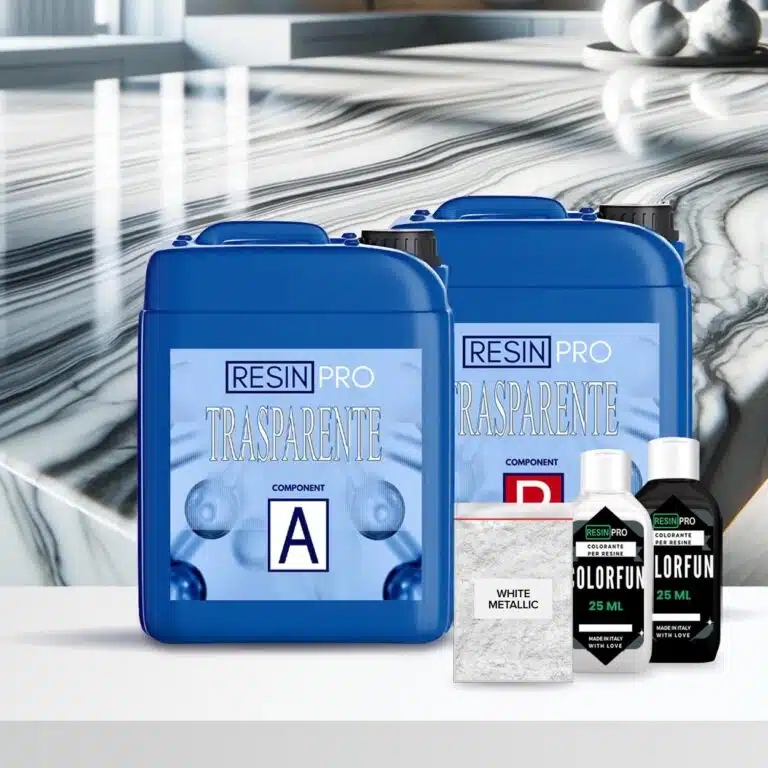
Achieving a stunning marble effect in resin projects hinges on planning your veining pattern before you pour. Preparation brings artistic control and ensures each line and swirl appears natural and cohesive.
Why a Veining Plan Matters
Marble’s beauty lies in its organic, flowing veins. By mapping out your intended pattern on paper or directly on your artboard with a pencil, you avoid random results and ensure your resin veining follows a deliberate, visually effective path. This foresight is especially important when aiming for classic effects such as Carrara or quartzite marbling.
Practical Steps Before Pouring
- Gather reference images: Choose real marble patterns for inspiration, noting the direction and density of veins.
- Sketch your veining: Lightly draw your pattern where your resin will be poured. This acts as a roadmap during application.
- Prepare your materials: Have your pigmented resin ready in separate cups. Products like the Stone Effect Collection Kit include everything from liquid dyes to isopropyl alcohol, making complex veining achievable, even for beginners.
- Work in stages: Pour the base colour first, then add accent veining using liquid dyes or metallic pigments. Drag a stick or brush along your sketched lines to emulate natural stone effects.
When Careful Veining Planning Matters Most
If you’re decorating large surfaces, such as kitchen worktops or statement artboards, a thoughtfully planned veining pattern not only elevates the final look but also prevents the design from becoming overcrowded or chaotic. For smaller pieces, deliberate veining keeps the results realistic rather than haphazard.
Related products
Related guides
For truly impressive marble resin creations, a little planning before you pour goes a long way. Mastering veining patterns is a core principle in the wider process of colouring marble resin, ensuring your finished project radiates both skill and style. Explore our full guide for more techniques and inspiration.