 Free shipping on orders over £29,85
  Shipping Tracking!


 Google
 Facebook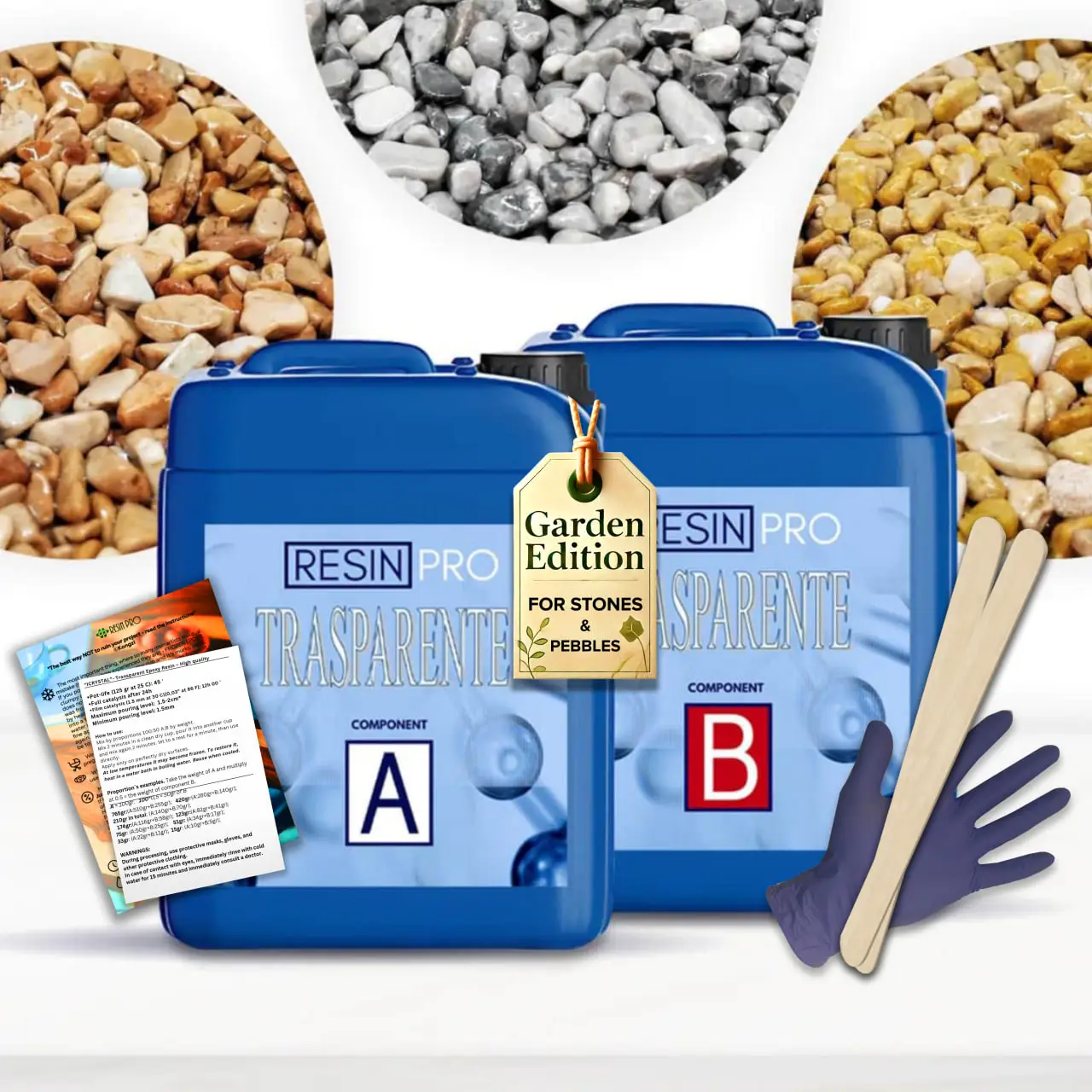
Outdoor epoxy resin projects introduce unique challenges that aren’t present when working indoors. Understanding what to avoid helps ensure a professional, long-lasting result on patios, driveways, or outdoor art pieces.
Steering Clear of Poor Weather Conditions
Applying epoxy resin in high humidity or extreme temperatures can lead to poor curing, surface cloudiness, and structural weaknesses. Aim to work on dry days with moderate temperatures, as moisture in the air or on surfaces can hinder bonding and compromise the finish.
- Never apply resin in damp, rainy, or frosty conditions.
- Avoid working in direct sun, which may accelerate curing unevenly and affect clarity or stability, especially during the first hours of setting.
- Always check the product’s specified working temperature range before beginning.
Surface Preparation and Application Best Practices
To achieve a lasting bond outdoors, the substrate must be thoroughly cleaned, dry, and free from dust or debris. Avoid shortcuts here—epoxy won’t adhere properly to poorly prepared surfaces, resulting in peeling or bubbles over time. Be careful not to exceed the recommended thickness in a single layer, as most outdoor epoxies (such as “Trasparente” – Epoxy Binder for Coloured Pebbles and Grits) advise against pouring too thick, which can cause cracking or incomplete curing.
- Follow the product’s guidelines for layer thickness.
- Always mix aggregates with the binder instead of pouring directly onto loose gravel or pebbles.
When This Matters Most
Precautions are essential for exposed patios, driveways, or decorative installations that must endure both sun and rain. Careful surface prep, weather awareness, and correct use of non-yellowing or UV-stable formulas protect your work and maintain its visual appeal over time.
Related products
Related guides
Keeping these key points in mind helps prevent costly mistakes and ensures the resilience of your outdoor epoxy resin projects. For more information on making the right resin selection and outdoor application tips, refer to the main guide on using epoxy resin for outdoor applications.