 Free shipping on orders over £29,85
  Shipping Tracking!


 Google
 Facebook
← Back to What types of prints should be used for epoxy resin?
Before sealing your inkjet prints beneath epoxy resin, it’s essential to carry out some careful preparation. This mini-guide covers all the steps needed to protect your artwork and ensure crisp, vibrant results after resin application.
Seal Your Inkjet Prints to Prevent Ink Bleeding
Inkjet prints are particularly susceptible to ink smudging when exposed to resin. After printing, allow your image to dry thoroughly—ideally several hours or overnight. Next, use a high-quality acrylic spray lacquer, applying two or three light coats. Let each coat dry completely before adding the next. This lacquer acts as a protective barrier so the ink stays sharp and colours true when resin is poured over the print.
Tips for Resin Pouring Over Prints
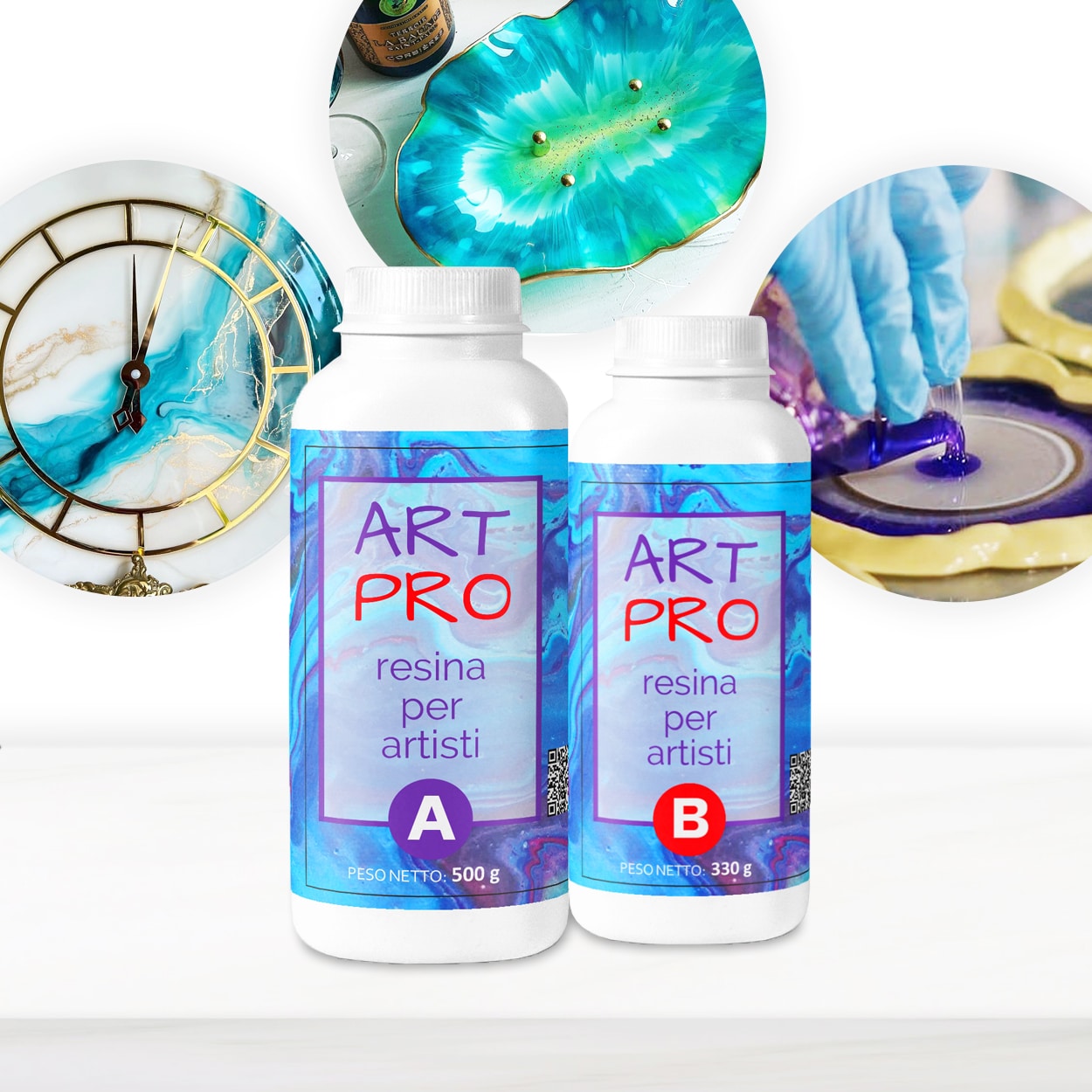
Once your print is fully sealed and dry, you’re ready for resin application. Place your sealed print on a flat, dust-free surface. Use a clear epoxy resin designed for art projects, such as Art Pro – Clear Epoxy Resin for Artists and Surface Coating, which offers excellent clarity and a glossy finish. Mix your resin following the manufacturer’s guidelines, pour gently over the print, and spread evenly to avoid bubbles. Allow the resin to self-level and cure undisturbed for the recommended time.
When This Matters Most
Proper preparation is particularly important when using home inkjet prints, lighter weight papers, or intricate artworks with subtle colours. Skipping the sealing step can lead to irreversible ink runs and discolouration beneath the resin—so spending a few extra minutes on this stage helps preserve your art perfectly.
Related products
Related guides
Preparing inkjet prints carefully ensures your resin art or crafts display beautifully and remain protected. Explore more tips and compatible resins linked from our main guide on what types of prints should be used for epoxy resin.