 Free shipping on orders over £29,85
  Shipping Tracking!


 Google
 Facebook
← Back to How to make tables with resin
Preparing your wood properly before any resin pour is the foundation for a successful resin table. Adequate preparation minimises imperfections and ensures a strong bond between the wood and resin.
Steps to Prepare Wood for Resin Pouring
- Sanding: Begin by sanding the wood thoroughly. Use progressively finer grit sandpaper to achieve a smooth, even surface. This helps the resin bind evenly and reduces the risk of bubbles or rough patches.
- Cleaning: After sanding, remove all dust and debris with a brush or vacuum. Wipe down the surface with a lint-free cloth to ensure no residue remains.
- Drying: Ensure the wood is completely dry before pouring resin. Any moisture trapped in the grain can cause discolouration or prevent proper adhesion.
Sealing Cracks, Knots, and Edges
Wood often contains natural features like knots or cracks. To avoid resin leaks or air bubbles, seal these areas first. Use a suitable wood sealer or a thin layer of epoxy resin to fill any gaps. Allow the sealer to cure fully before the main pour.
If working with large wooden table bases, pay special attention to the edges and ends where leaks are more likely.
Tips for Beginners
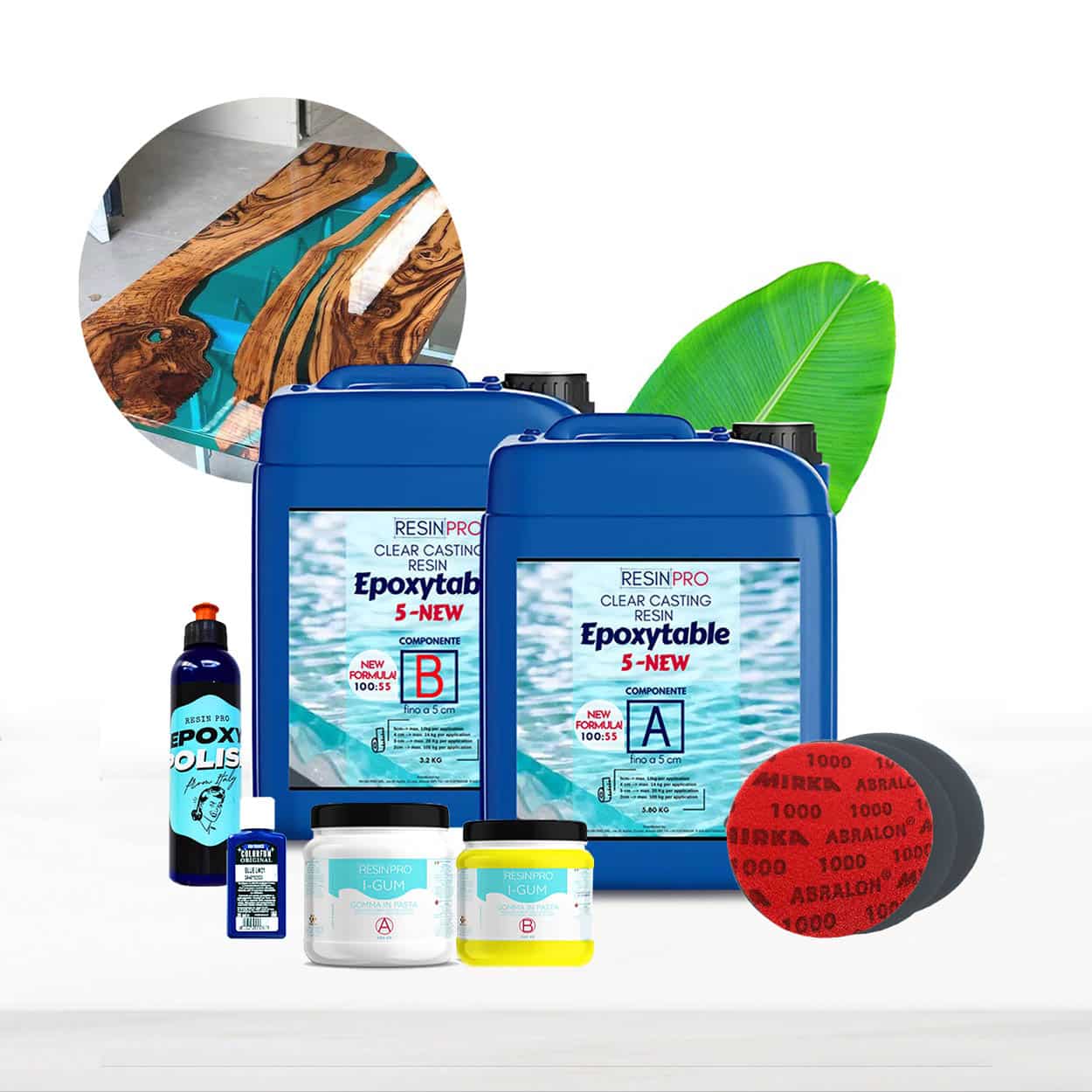
If you are new to resin table making, consider a purpose-built kit like the River-Table Complete Kit. Kits often include detailed instructions, sealing products, and all materials needed—ideal for minimising preparation mistakes and boosting confidence in your results.
Related products
Related guides
Preparing your wood with care sets the stage for a stunning resin table. For a full overview of the entire process, explore our main guide on how to make tables with resin.