 Free shipping on orders over £29,85
  Shipping Tracking!


 Google
 Facebook
← Back to Why does resin form craters when applied?


Craters in epoxy resin artwork can be disheartening, especially when aiming for a flawless, glass-like finish. With careful preparation and the right resin, it’s possible to achieve beautifully smooth surfaces every time.
Key Steps to Avoid Craters
- Surface Preparation: Before pouring, ensure all surfaces are completely free from dust, oils, and fingerprints. Even minor contamination can cause the resin to repel, creating visible craters.
- Cleaning Solutions: Wipe down your workspace and substrates with a lint-free cloth lightly moistened with isopropyl alcohol. This helps remove stubborn residues, reducing surface tension issues.
- Choosing the Right Resin: Low-viscosity resins, such as EpoxyTable 5-Five, flow more evenly, helping eliminate bubbles and surface flaws that lead to cratering.

Tips for Application and Finishing
- Mixing Carefully: Stir resin and hardener gently to minimise trapped air. Avoid vigorous mixing, which can introduce bubbles and disrupt the curing process.
- Bubble Busting: After pouring, briefly mist the resin surface with pure isopropyl alcohol or use a heat gun to help bubbles escape. For precise application, Pure Isopropyl Alcohol 99.9% is a safe and effective choice, but always use it in a ventilated area and away from flames.
- Environment Checks: Aim for a clean workspace, as falling dust or debris can settle into curing resin and become focal points for craters.
When This Matters Most
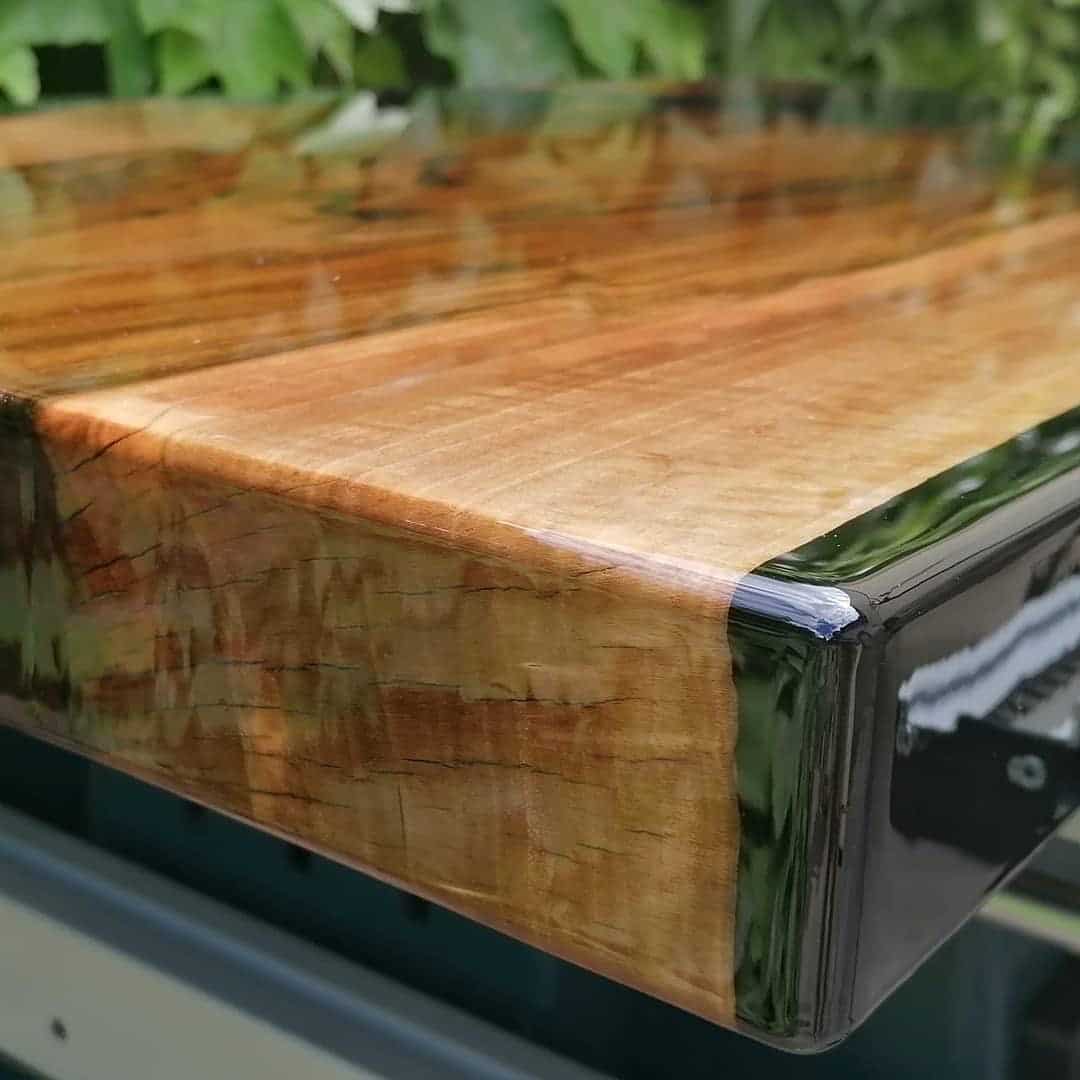
Perfect resin surfaces are especially important for high-gloss artworks, tabletops, and decorative castings. Spending extra time on preparation and choosing products designed for thicker or clearer pours can make a noticeable difference in the final outcome.

Related products
Related guides
Keeping craters at bay in your epoxy art is all about preparation and product selection. For further advice on troubleshooting and preventing imperfections, explore our full guide: Why does resin form craters when applied?