 Free shipping on orders over £29,85
  Shipping Tracking!


 Google
 Facebook
← Back to How do you create a 3D wall using resin?
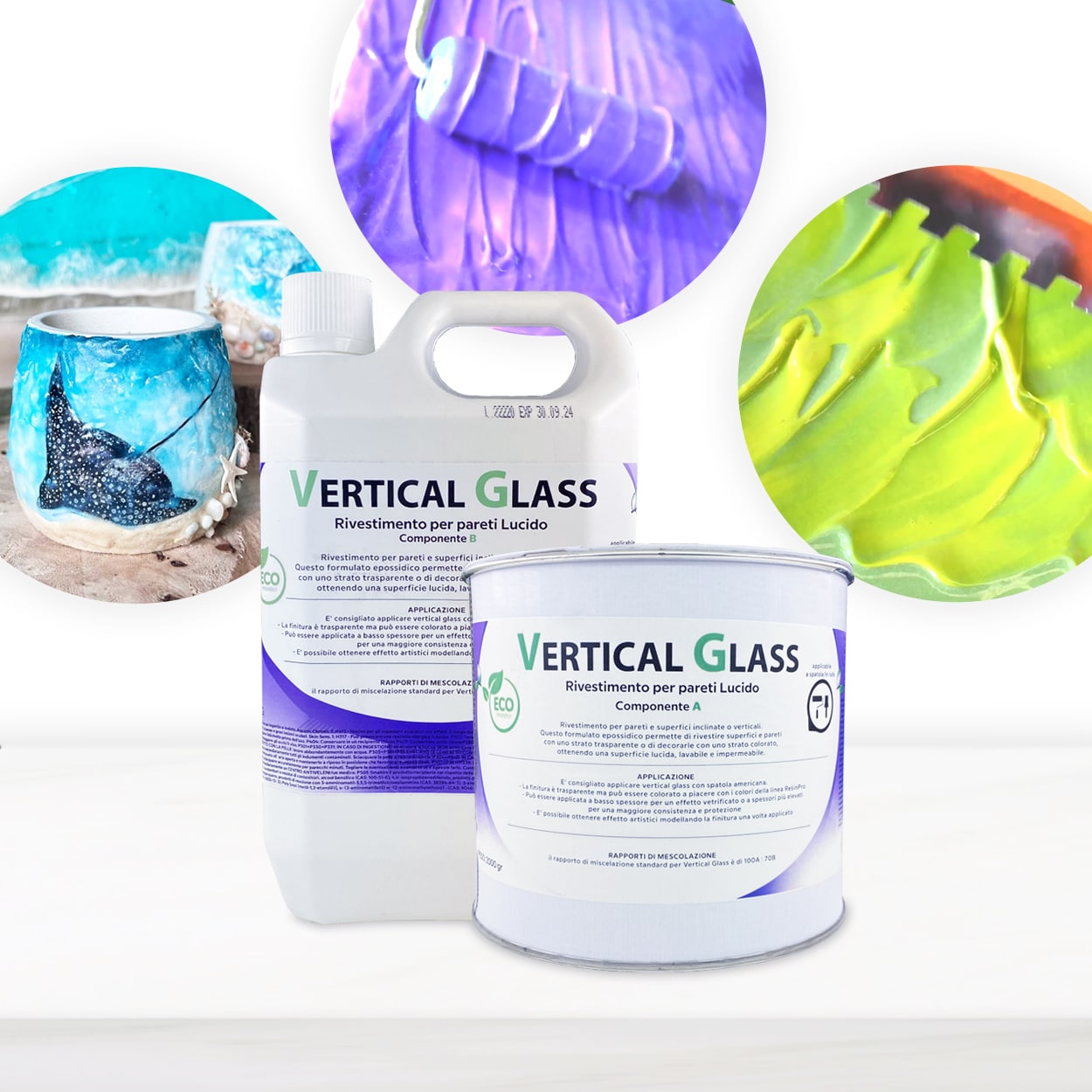
To achieve a striking and durable 3D resin wall design, surface preparation is the step that truly underpins your success. Skipping or rushing this process can lead to disappointing results, such as peeling, unevenness or lack of detail retention.
Why Surface Preparation Matters
Preparing your wall or panel properly ensures that the resin bonds firmly, giving your creation a flawless finish and long-term resilience. Dust, oil, residual moisture, and loose paint or plaster can all prevent resin from adhering, causing visible flaws and reducing durability. Investing the time to clean and stabilise surfaces makes a significant difference, especially when working with decorative or textured 3D designs.
Preparation Steps for a Lasting Result
- Clean thoroughly: Remove dust, grease, and any old coatings. Surfaces must be free of contaminants and completely dry.
- Repair imperfections: Fill cracks and smooth bumps, ensuring the wall or base is even, especially for detailed 3D effects.
- Prime if needed: For porous materials (like brick, cement or plaster), a compatible primer helps promote adhesion by sealing the surface and reducing resin absorption.
- Allow to cure: After cleaning and priming, let the wall dry fully before resin application.
For decorative wall projects, consider a resin such as Vertical Glass, which is designed for vertical and sloping applications and maintains crisp detailing when properly applied.
When This Matters Most
Surface preparation is particularly crucial when applying resin to areas prone to moisture, such as kitchens and bathrooms, or over mixed materials like tile, concrete, and plaster. Neglecting preparation in these settings increases the risk of peeling, loss of water resistance, and poor finish quality.
Related products
Related guides
Thorough surface preparation lays the groundwork for a professional, enduring 3D resin wall. For more tips and solutions for stunning resin walls, explore the full guide on how to create a 3D wall using resin.