 Free shipping on orders over £29,85
  Shipping Tracking!


 Google
 Facebook
← Back to At what temperature does resin dry?
When working with resins for rapid prototyping, temperature control is more than a detail—it’s the key to quick cure times and consistent results. Ensuring your workspace stays at or above 8–10°C is essential for smooth, dependable casting.
Why 8–10°C is the Minimum for Resin Curing
Most fast-setting polyurethane and epoxy resins are formulated to cure efficiently at room temperature. Dropping below 8–10°C can slow chemical reactions, leading to sticky or incomplete cures and making demoulding much harder. Trying to prototype in cooler conditions may also result in surface blemishes or weakened models. It’s always best to let both the resin and the mould acclimatise to room temperature before starting your project.
Practical Advice for Successful Rapid Prototyping
- Warm your workspace: Using a small fan heater, such as the “Rhino” 2kW Fan Heater, can quickly lift the ambient temperature to ideal levels.
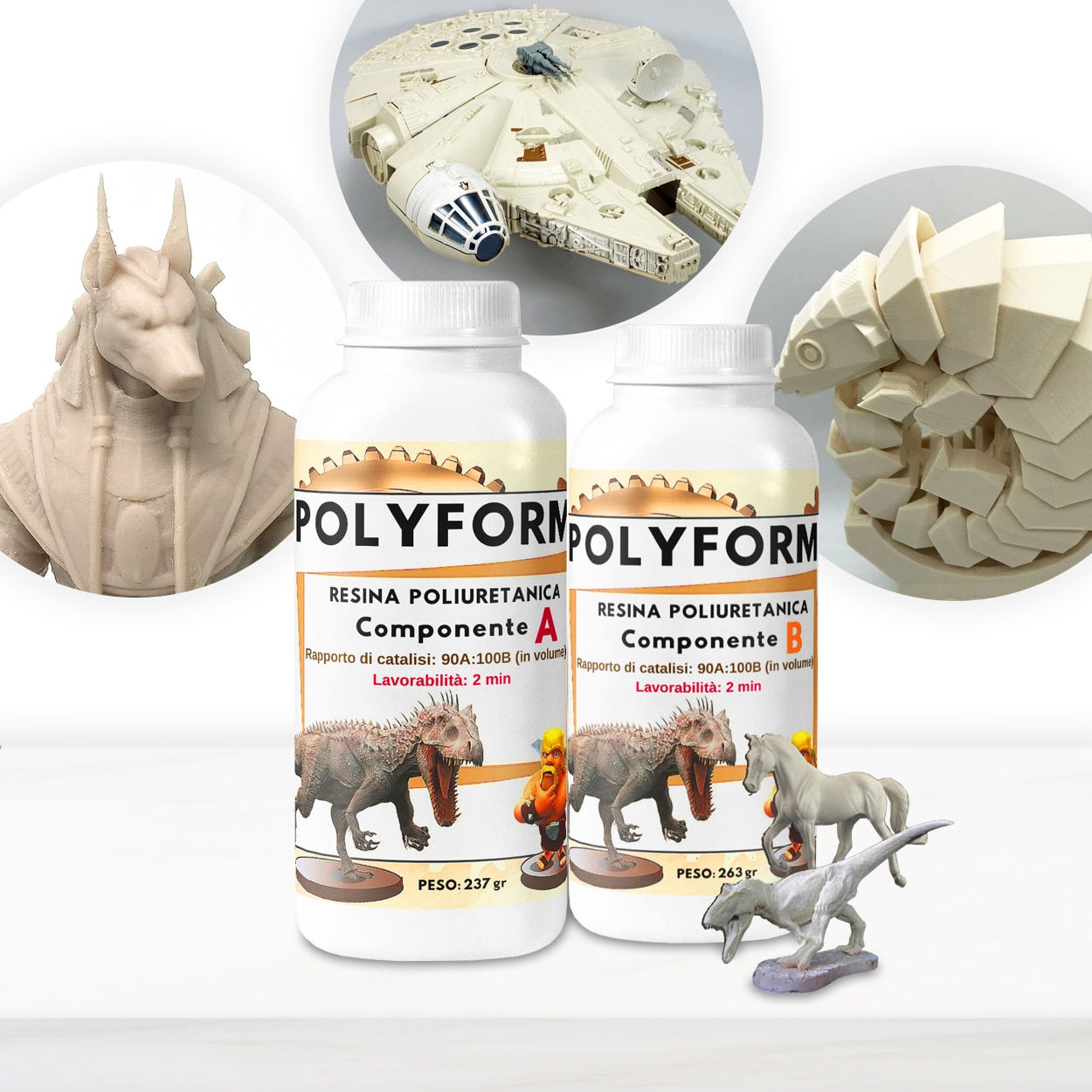
- Choose the right resin: For quick results, use a fast-setting option like Polyform, which cures in about 5 minutes and can be demoulded in 30—when used above 8–10°C.
- Monitor your moulds: Store silicone moulds in the same environment as your resin for a few hours beforehand to avoid thermal shock and uneven curing.
When This Matters Most
Attention to temperature is especially important if you’re working in sheds, garages, or during the colder months. Inconsistent heat can result in wasted materials and failed prototypes, making even quick-cure resins unreliable below 8–10°C.
Related products
Related guides
Keeping a steady temperature above 8–10°C helps you achieve the speed and detail demanded in rapid prototyping. For broader advice on resin drying and curing, return to our hub at ‘At what temperature does resin dry?’.