 Free shipping on orders over £29,85
  Shipping Tracking!


 Google
 Facebook
At what temperature does resin dry?
Discover optimal drying conditions for resin projects of all types.
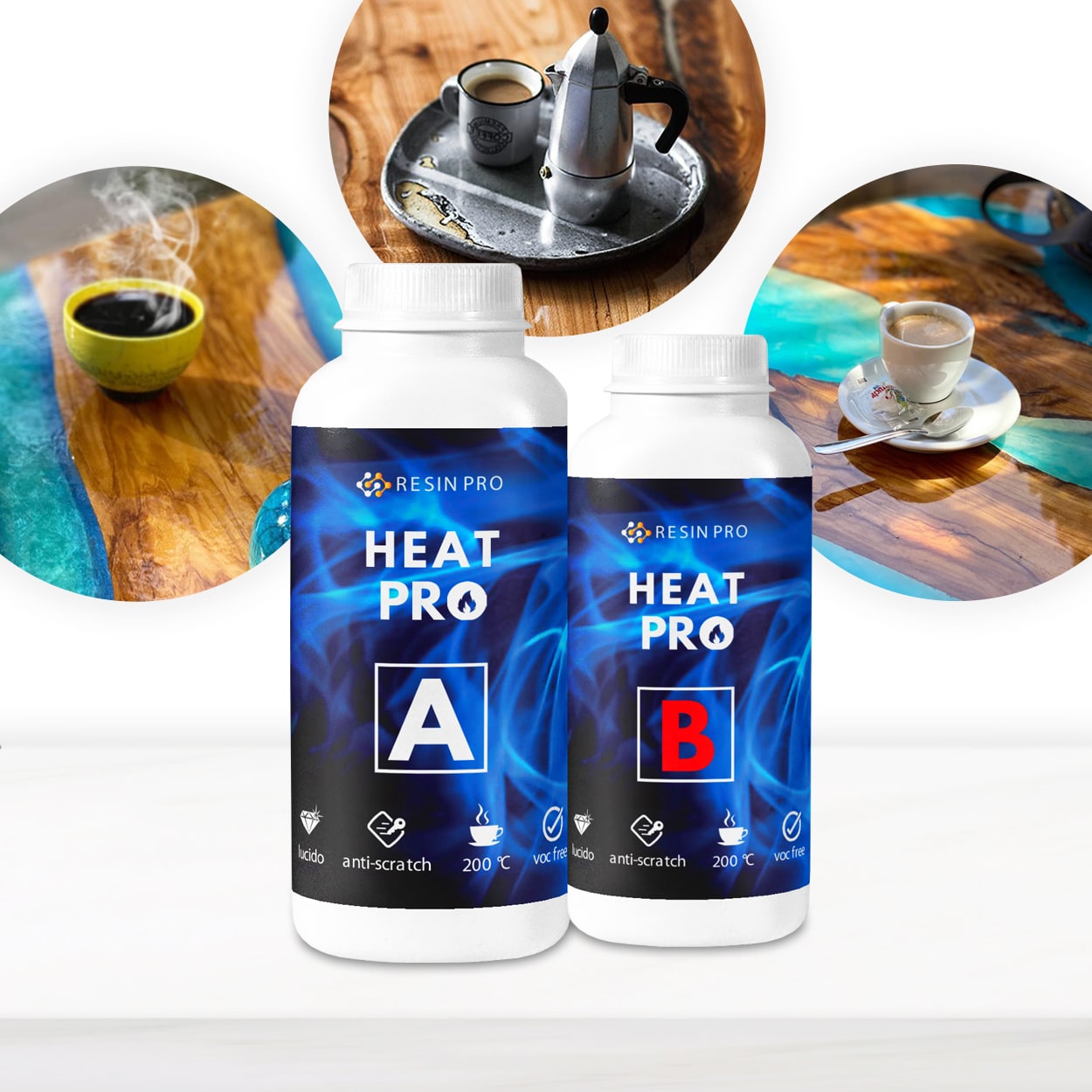

Temperature is a crucial factor in determining how effectively your resin project cures, whether you are working on intricate jewellery, deep pour river tables or quick-setting prototypes. Understanding at what temperature resin dries ensures optimal clarity, hardness, and longevity for your creations. This guide will walk you through the ideal conditions, present product-specific recommendations, and help you get the best out of your resin of choice.
Resin drying (also known as curing) is not just about a clock ticking down – the ambient temperature, resin type, and even workspace set-up play a key role. Below, you’ll discover top solutions from ResinPro and learn when to use Heat Pro – Flexible Heat-Resistant Glossy Coating, Rhino – 2kW Fan Heater for Epoxy Resin Projects, Polyform – Polyurethane Casting Resin, Beige, Epoxytable 10-Ten – Deep Pour Epoxy Resin for Tables, Up to 10cm Casting, EpoxyTable 5-Five – Deep Pour Epoxy Resin for Tables and Large Projects – Up to 5cm, and ICreation – Fast Epoxy Resin, 6h Demoulding, Transparent Gloss Finish for perfect results every time.
Resin Drying Temperature Explained
Most epoxy and polyurethane resins are designed to cure at typical room temperatures (ambient 18–25°C), though each formulation may have its own ideal window. Working below recommended temperatures can leave resin tacky or cause cloudiness, while excessive heat speeds up curing but may reduce working time or create bubbles. For deep pour and fast-cure products, monitoring room warmth is even more critical.
Using an accessory such as the Rhino – 2kW Fan Heater for Epoxy Resin Projects can bring your workspace up to optimal temperature, supporting more predictable and even resin drying. Precision is especially important for large pours or finely-detailed moulds – a controlled environment means a superior surface finish and reduced waste.
Quick Comparison: Product Curing & Application Temperatures
If you’re uncertain which resin to use for your next pour, here’s a summary to guide you:
- Critical for heat resistance (up to 200°C)? Choose Heat Pro – Flexible Heat-Resistant Glossy Coating.
- Rapid prototyping above 8–10°C? Polyform – Polyurethane Casting Resin, Beige cures in minutes when warm.
- Deep pours up to 10cm or 5cm? Try Epoxytable 10-Ten – Deep Pour Epoxy Resin for Tables, Up to 10cm Casting or EpoxyTable 5-Five – Deep Pour Epoxy Resin for Tables and Large Projects – Up to 5cm with heat resistance up to 70°C.
- Fast-cure artistic projects? ICreation – Fast Epoxy Resin, 6h Demoulding, Transparent Gloss Finish offers 6-hour demould and 12-hour full cure in standard temperatures.
- Workspace too cold? Use the Rhino – 2kW Fan Heater for Epoxy Resin Projects for consistent and safe heating.

See Resin Curing in Action
Get a close-up view of finished resin surfaces and see how achieving the right temperature leads to crystal-clear, professional results. Discover projects finished with Heat Pro, poured river tables made with EpoxyTable 5-Five, and more examples that show the importance of workspace heating and careful temperature management.
Frequently Asked Questions
How does room temperature affect resin drying?
Resin cures most reliably at 18–25°C. Colder environments slow or prevent curing, while excessive warmth reduces working time and can cause resin to overheat or yellow.
Which resin has the highest heat resistance?
Can I speed up curing with a heater?
What is the fastest resin for craft projects?
What temperature should I avoid when using Polyform casting resin?
Polyform should not be used in environments below 8–10°C, as lower temperatures negatively affect cure times and casting quality.
Is there an epoxy for super-deep pours?
Why is my cured resin surface still soft?
This can indicate the workspace was too cold, the resin was not mixed accurately, or the recommended cure time was not observed. Always check each product’s instructions and the temperature of your curing area.
Why Temperature Matters for Resin Drying & Curing
Whether you choose a fast-setting option or a deep-pour epoxy, insufficient temperature can hinder polymerisation and leave resin permanently sticky or soft. Too much heat accelerates curing and reduces your working window, increasing the risk of trapped air or surface defects. Using tools like the Rhino Fan Heater helps maintain a consistent environment, perfect for spaces like garages, sheds, or cold studios.
If you’re new to the world of resin, start with easy-to-handle options such as ICreation for jewellery, or Heat Pro for projects where surface durability and heat exposure are primary concerns.
Expert Tips for Temperature Control
Find guidance from resin professionals on how to adapt your workspace environment for each season. Learn exactly when to pre-warm resin kits, how to set up your Rhino Fan Heater, and discover which tools optimally support the curing process in any workshop.

Maximise Quality: Workspace Prep & Tips
Before beginning any casting or coating, ensure your tools and resin are at the recommended working temperature. Avoid mixing chilled resin, which thickens and traps bubbles. For intricate projects, use a draft-free room and pre-warm your workstation with the Rhino Fan Heater. When working with products like Polyform or Epoxytable 10-Ten, follow the temperature advice for a flawless, bubble-free finish and strong, lasting results.
- "Heat Pro" – Flexible Heat-Resistant Glossy CoatingPrice range: £24.85 through £176.55Heat Pro is an elastic polyurethane resin designed for epoxy projects requiring heat resistance up to 200°C with a glossy and scratch-absorbing…
 "Rhino" – 2kW Fan Heater for Epoxy Resin Projects£19.85"Rhino" 2kW Fan Heater provides rapid warming with adjustable thermostat, designed for epoxy resin workspaces in this temperature-focused theme.
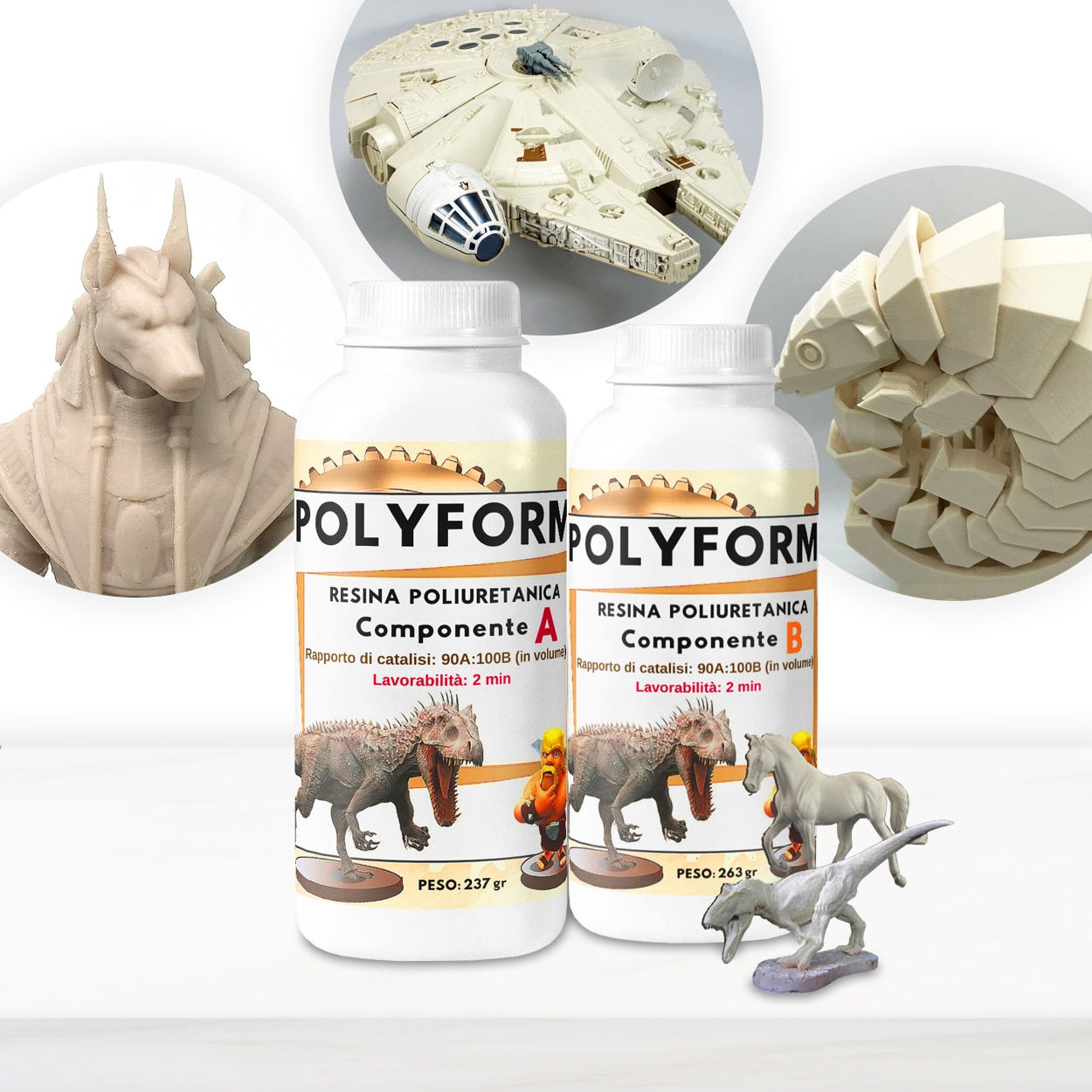 “Polyform” – Polyurethane Casting Resin, Beige, Fast-Setting for PrototypingPrice range: £19.85 through £134.85Polyform polyurethane casting resin is a beige, fast-setting material suited for rapid prototyping and detailed castings with durable results.
 “Epoxytable 10-Ten” – Deep Pour Epoxy Resin for Tables, Up to 10cm CastingPrice range: £33.85 through £334.85“Epoxytable 10-Ten” is suitable for deep casting projects up to 10cm, designed for tables and large artistic works.
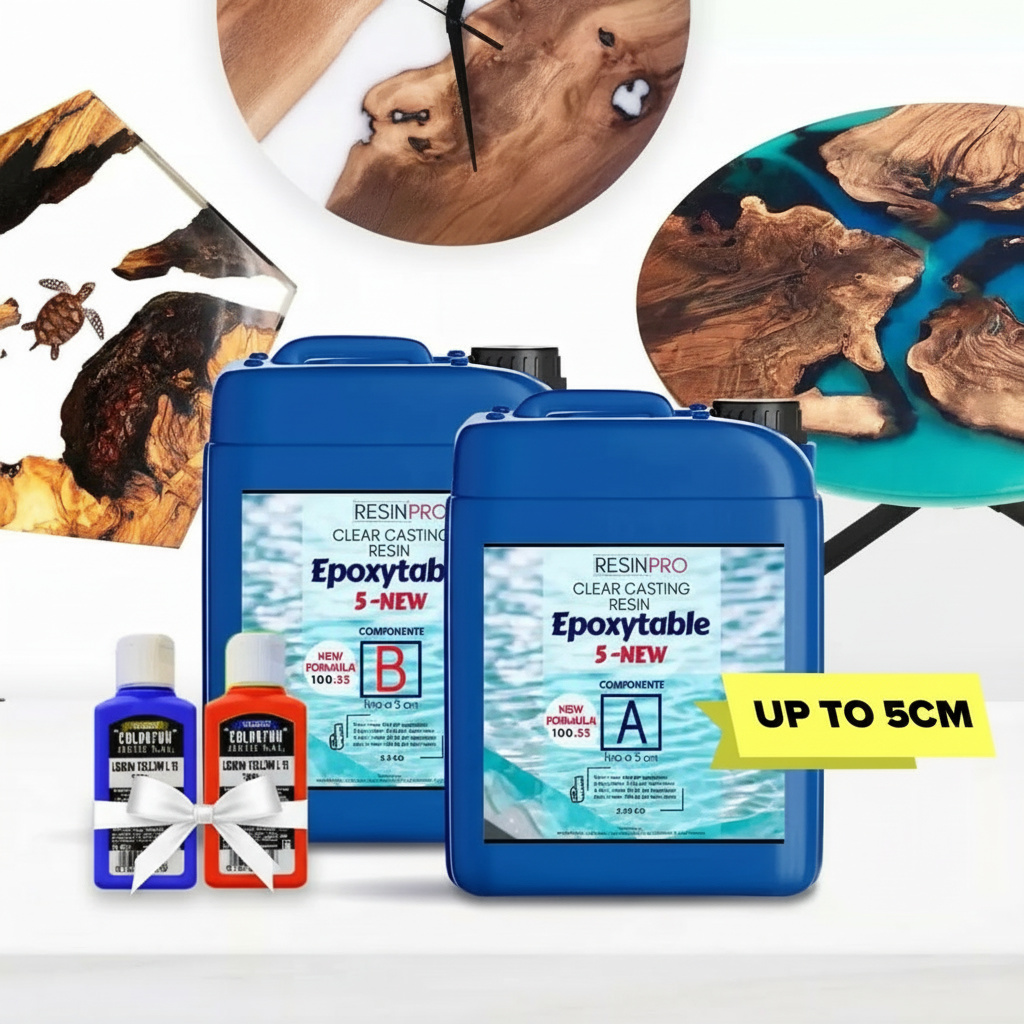 "EpoxyTable 5-Five" – Deep Pour Epoxy Resin for Tables and Large Projects – Up to 5cmPrice range: £16.85 through £1,099.85"EpoxyTable 5-Five" is designed for deep pouring up to 5cm, suitable for tables and large projects in the theme 'At what temperature does resin dry?'.
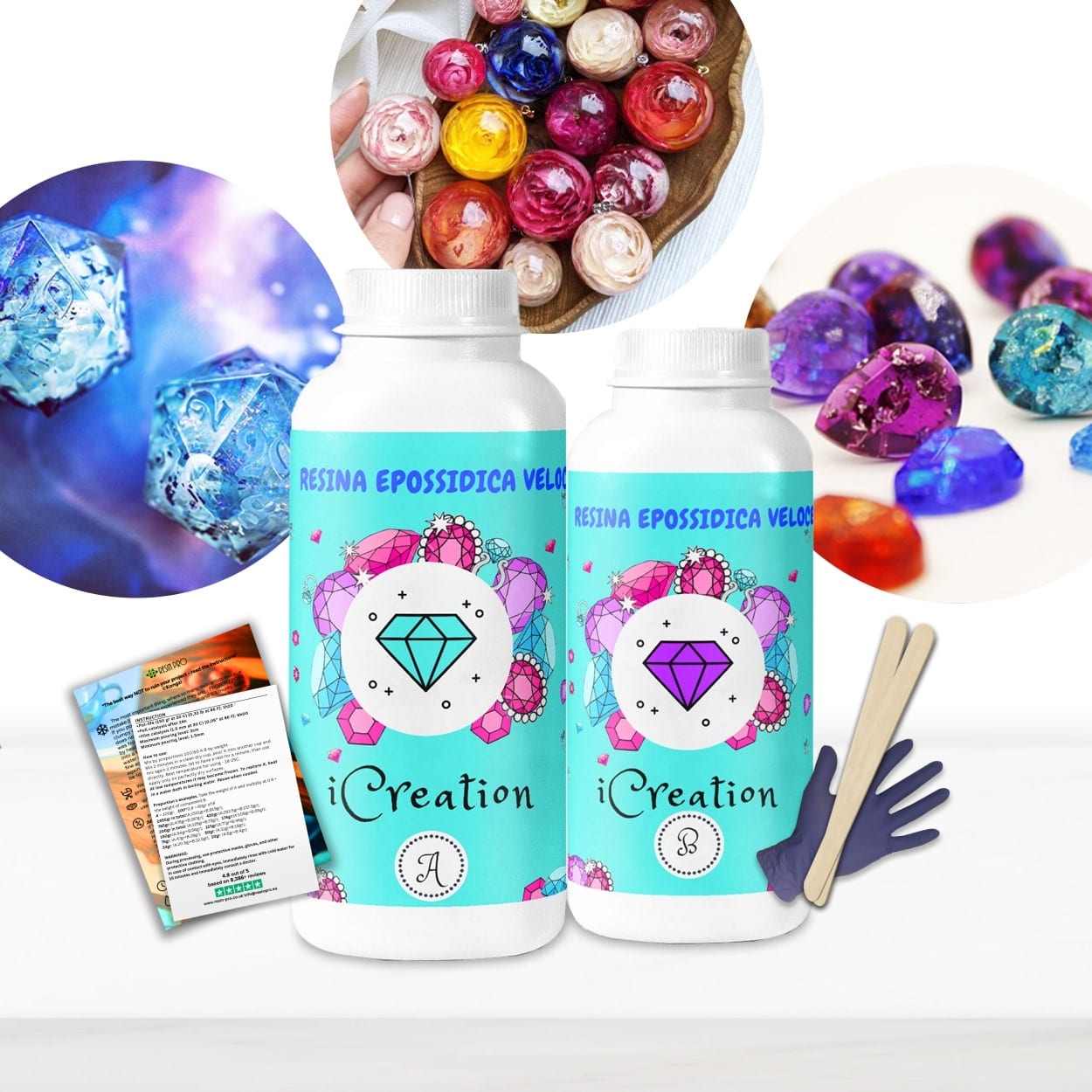 "ICreation" – Fast Epoxy Resin, 6h Demoulding, Transparent Gloss FinishPrice range: £19.40 through £52.85ICREATION fast epoxy resin offers quick catalysis with a 6-hour demould and a transparent, glossy finish suitable for jewellery and crafts.
Frequently Asked Questions
How does room temperature affect resin drying?
Resin cures most reliably at 18–25°C. Colder environments slow or prevent curing, while excessive warmth reduces working time and can cause resin to overheat or yellow.
Which resin has the highest heat resistance?
Heat Pro – Flexible Heat-Resistant Glossy Coating offers heat resistance up to 200°C, making it ideal for coasters and surfaces that regularly come into contact with hot objects.
Can I speed up curing with a heater?
Yes, using a fan heater can hasten resin cure by maintaining a steady temperature, particularly helpful in cold weather or unheated spaces.
What is the fastest resin for craft projects?
The ICreation – Fast Epoxy Resin allows demoulding within 6 hours and full cure within 12 hours, suitable for artists and crafters on a tight schedule.
What temperature should I avoid when using Polyform casting resin?
Polyform should not be used in environments below 8–10°C, as lower temperatures negatively affect cure times and casting quality.
Is there an epoxy for super-deep pours?
Epoxytable 10-Ten is developed for deep casting up to 10cm in one pour, while EpoxyTable 5-Five is perfect for layers up to 5cm.
Why is my cured resin surface still soft?
This can indicate the workspace was too cold, the resin was not mixed accurately, or the recommended cure time was not observed. Always check each product’s instructions and the temperature of your curing area.