 Free shipping on orders over £29,85
  Shipping Tracking!


 Google
 Facebook
← Back to How is resin sand prepared?
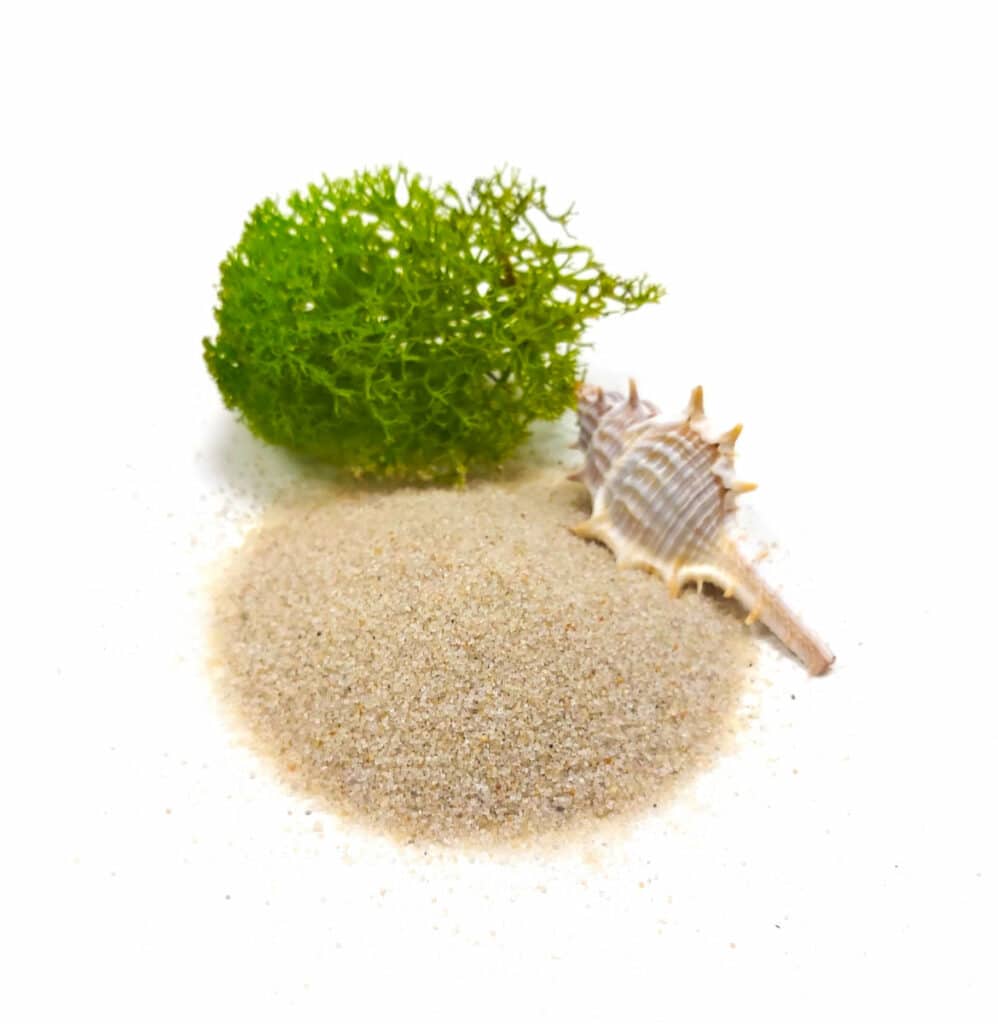
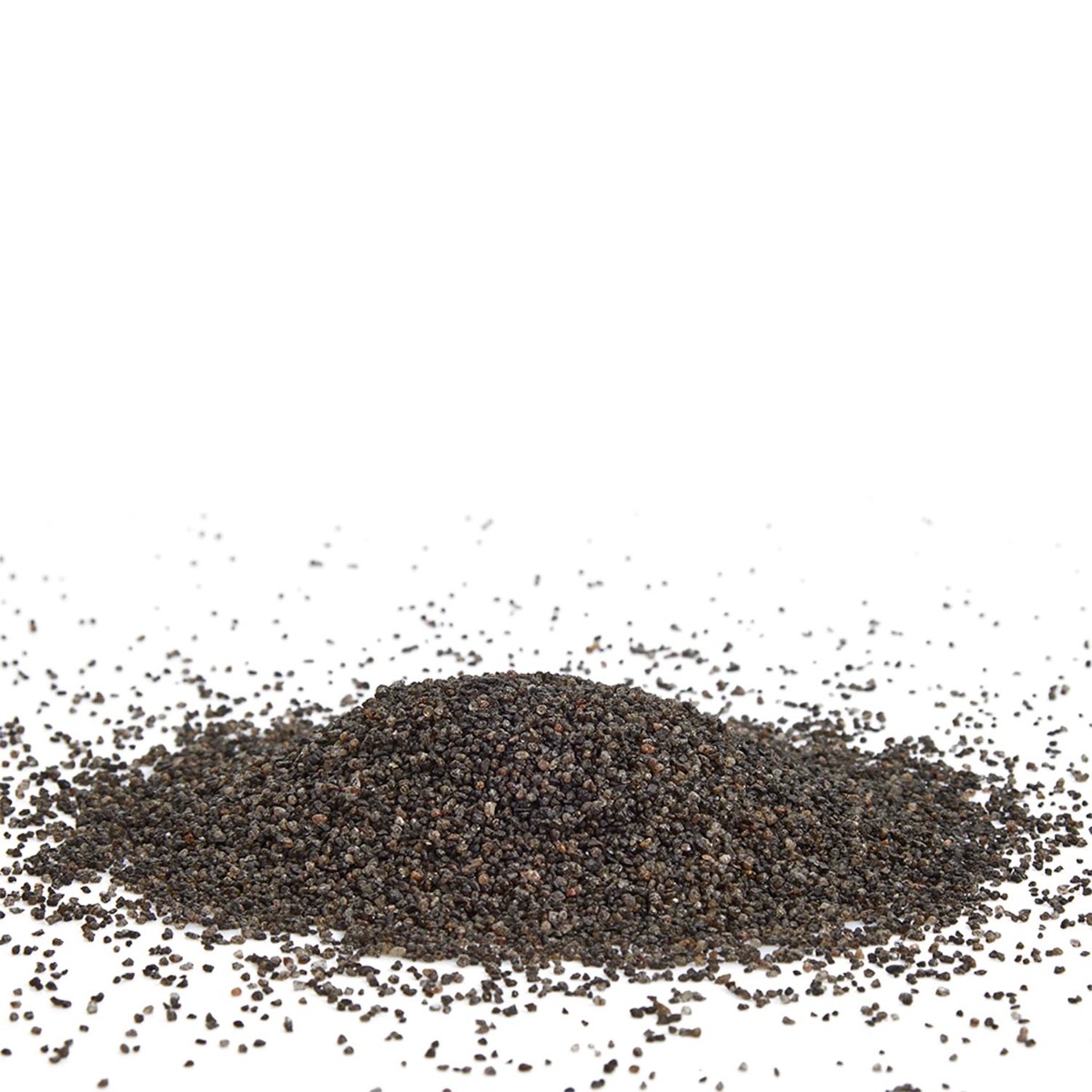
When creating textured surfaces in resin craft, getting your sand-to-resin ratio right ensures a smooth pour, effective curing, and a beautiful finish. Here’s what to know about balancing sand and resin for your next project.
Recommended Proportions for Resin Sand Mixing
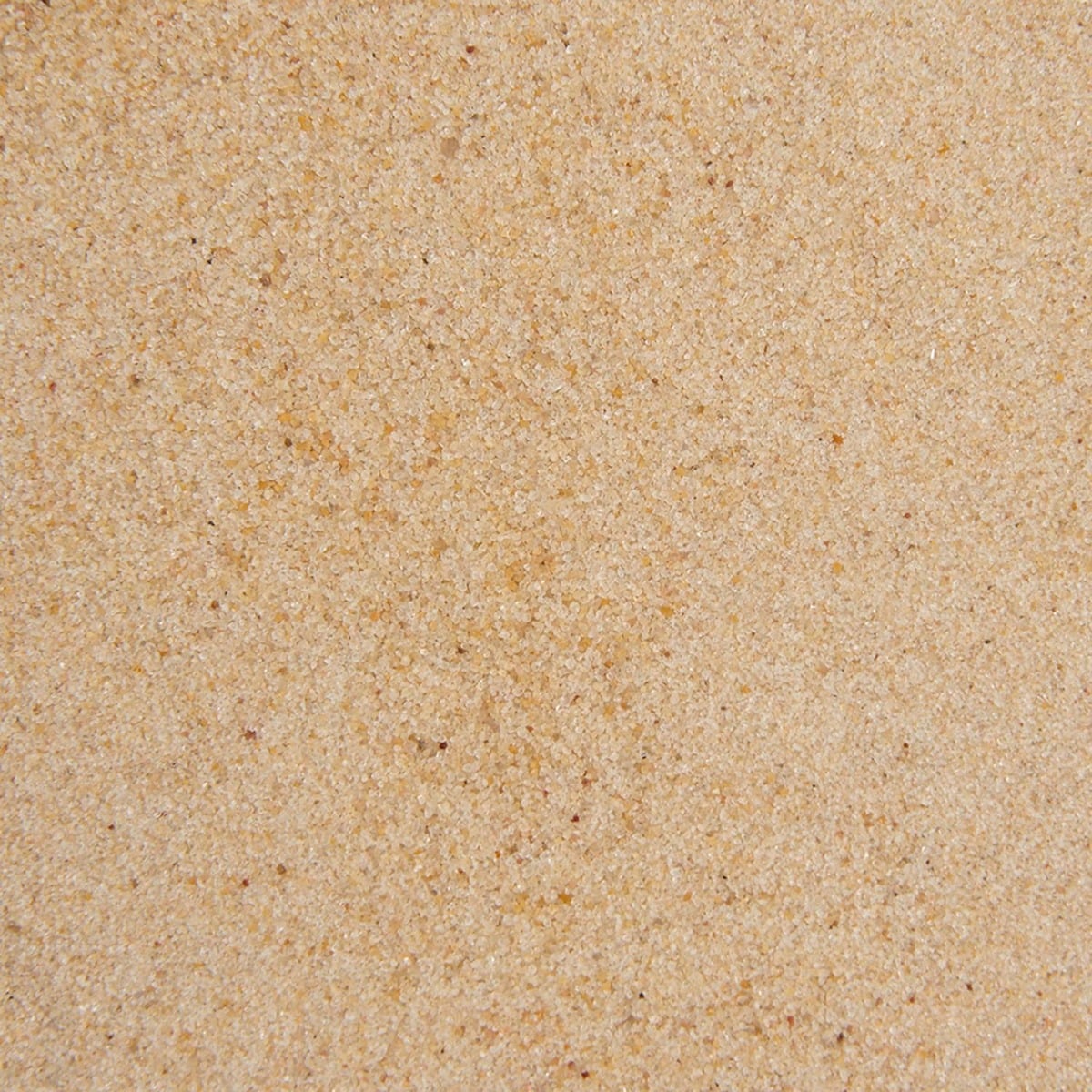
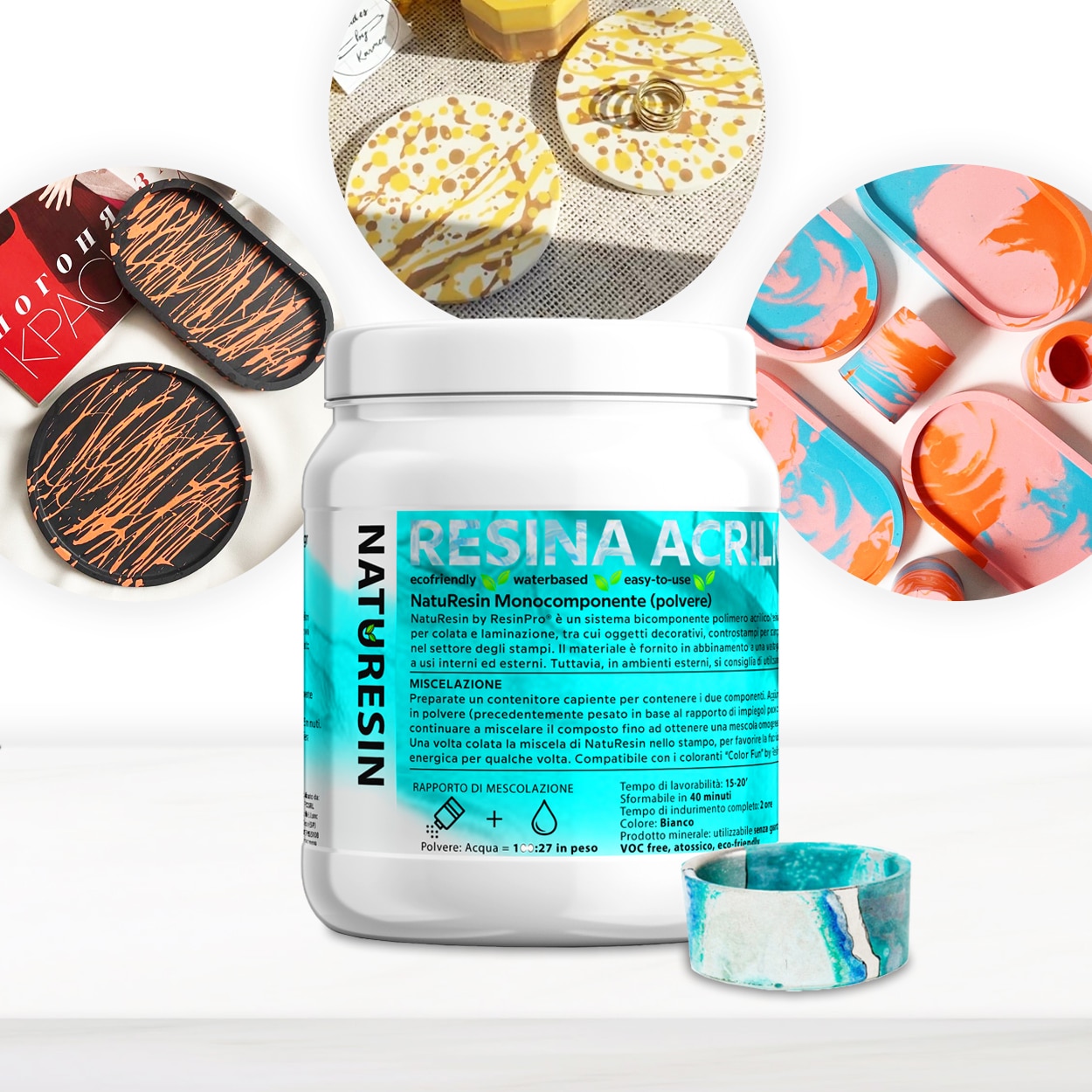
While you can adapt the ratio based on your desired texture, it’s generally best to keep the amount of sand at or below one part sand to every two to three parts resin by volume. Adding sand gradually—as you mix—allows you to observe the developing texture and stop before the resin becomes too thick to work with. Overloading with sand can interfere with curing, leaving you with an uneven or sticky finish. For inspiration, Natural Sand for Art Decoration is specifically designed to blend easily into epoxy resin.
Practical Mixing Tips
- Add sand slowly: Start with fully mixed resin, then sprinkle in small amounts of sand, stirring gently after each addition.
- Check for consistency: The resin should flow smoothly; if it starts to clump or thicken excessively, pause and test the mixture.
- Work in manageable batches: Mixing smaller portions helps avoid premature setting and makes it easier to control texture.
Mixing sand in too quickly or in large amounts may lead to air pockets and weak spots in your cured piece.
When Ratio Matters Most
Getting the sand-to-resin ratio right is crucial when creating pieces like coasters, trays, or decorative panels where both appearance and durability count. Too much sand may weaken your finished project or cause cure issues, especially in thin pours or detailed moulds. Always err on the side of less sand for trickier castings.

Related products
Related guides
Choosing the right sand-to-resin ratio is a key step in preparing resin sand for creative artwork. For more details on material preparation and project ideas, see our complete guide on how resin sand is prepared.