 Free shipping on orders over £29,85
  Shipping Tracking!


 Google
 Facebook
← Back to How to make a frame for resin
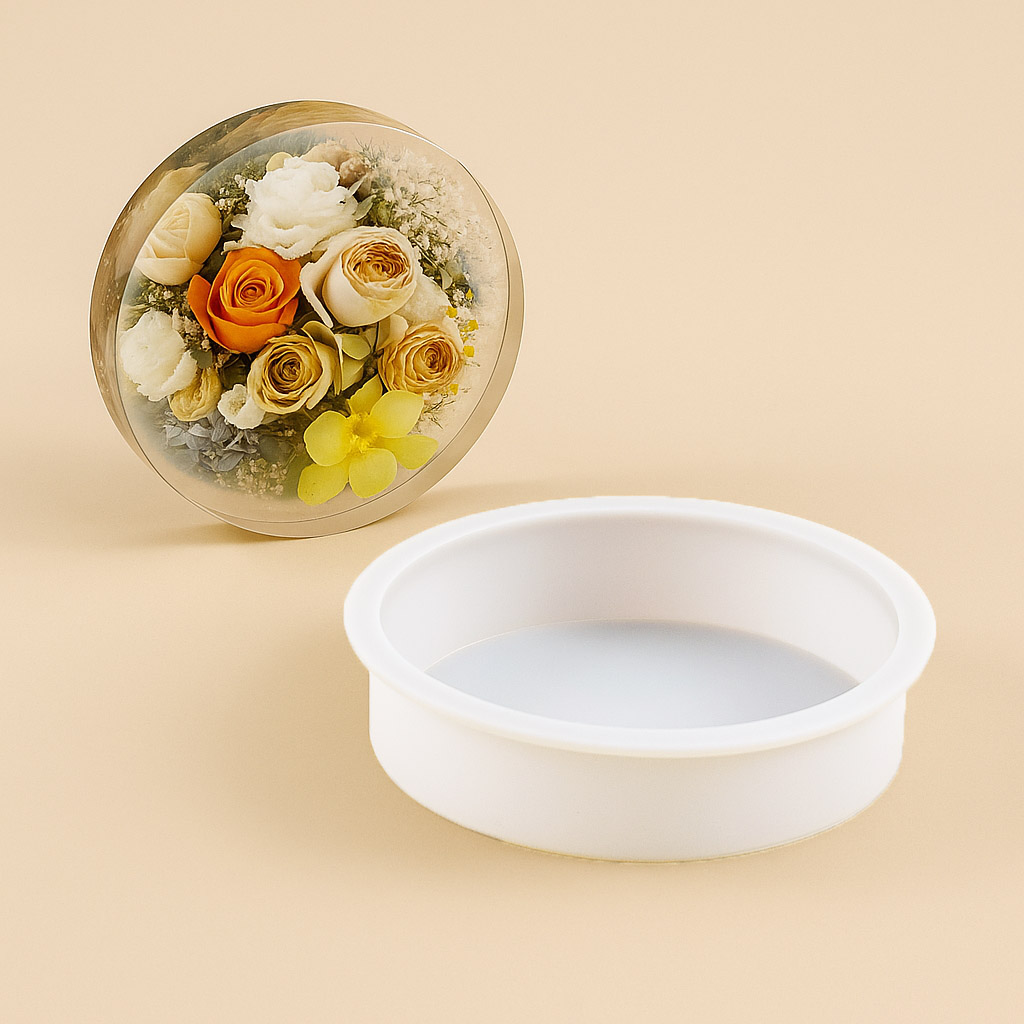
Struggling to remove your project from its mould is a common frustration in resin work. With a few simple steps, you can ensure resin comes out cleanly every time, preserving intricate details and avoiding unwanted breakage.
Prepare Your Mould: Release Agents and Linings
The use of a release agent is one of the most important steps before pouring resin. A release agent acts as a barrier, stopping the resin from bonding permanently with the mould material. Apply an even, thin coat to all surfaces in contact with resin, whether you’re using traditional formwork or reusable shapes. For flat or large forms, adhesive release films can also provide a smooth, removable lining that peels off without leaving residue.
Alternatively, choose a silicone mould. Silicone is naturally non-stick, making it ideal for consistent demoulding of coasters, keepsakes and other decorative resin pieces.
Demoulding Best Practices
Once the resin has fully cured, remove it from the mould slowly and carefully. If you’re using a rigid formwork, flex gently around the edges first rather than pulling from the centre. Silicone moulds can be easily peeled away but should be handled with care to maintain their flexibility and shape. Avoid using sharp tools that might damage the surface—gentle pressure and patience usually yield the best results.
When This Matters Most
Easy demoulding is critical when your project has detailed edges, embedded objects, or must retain a flawless finish. Taking the time to prepare properly can be crucial for keepsakes or unique items where damage isn’t easily repaired.
Related products
Related guides
With the right preparation and tools, removing resin from your frame or mould becomes a trouble-free process. Want to perfect every step—from building the mould to the grand reveal? Visit our main guide on making frames for resin for more tips and inspiration.