 Free shipping on orders over £29,85
  Shipping Tracking!


 Google
 Facebook
← Back to how to apply resin to wood
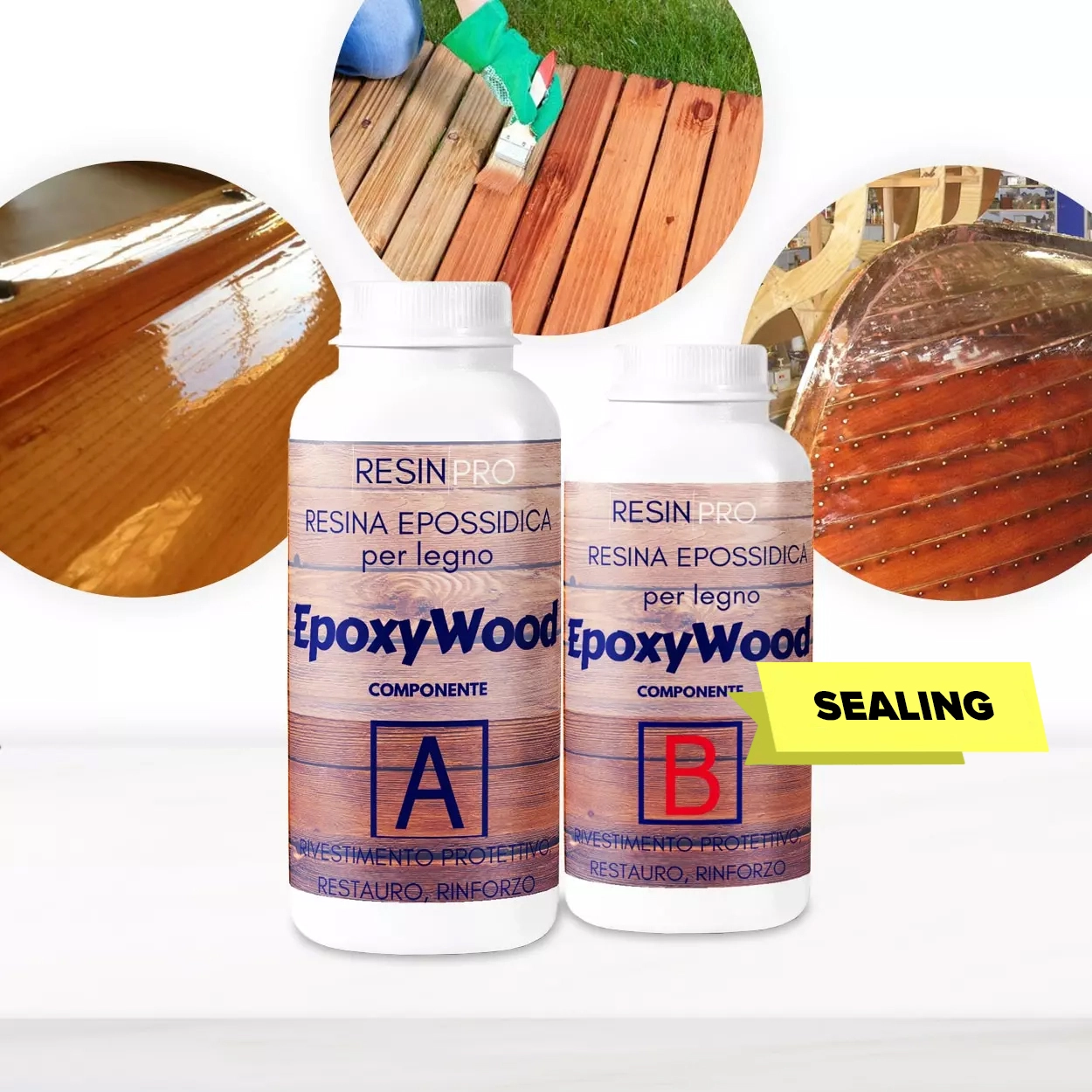
Achieving a clean, glass-like finish when applying resin to wood depends on removing air bubbles and ensuring the area stays undisturbed as the resin cures. Here’s how to manage both for outstanding results.
Effective Methods for Removing Bubbles
After pouring your resin, bubbles may appear on the surface or become trapped within. To tackle this:
- Use a heat gun or torch, moving it gently across the surface to release bubbles. Avoid holding the heat source too close or for too long, as this may affect the resin.
- For smaller projects, blowing on the resin through a straw can help surface bubbles dissipate.
- Allow the resin to stand for a few minutes after mixing, so some bubbles escape naturally before pouring.
Certain formulations, like “Trasparente” multipurpose clear epoxy resin, offer low viscosity to assist with bubble release during woodworking applications up to 2cm thick.
Tips for an Undisturbed Curing Process
Once your resin is poured and bubbles are removed, protecting the piece from dust, pets, and movement is essential. Cover your work with a clean, dust-free box or tented plastic sheet that doesn’t touch the resin’s surface. Make sure the curing area is on a stable, flat surface and the temperature is consistent, as changes can affect curing quality.
Avoid moving the piece until the resin has fully set, following the manufacturer’s recommended curing time. Different resins, such as deep pour epoxy for tables, may require longer undisturbed periods for thicker layers. Patience here leads to a flawless finish.
When This Matters Most
Bubble removal and undisturbed curing are crucial when aiming for a crystal-clear or glossy finish, especially on showpieces like tabletops, decorative panels, or restored wood. For projects such as antique restoration or resin river tables, following these practices helps showcase the wood grain and craftsmanship.
Related products
Related guides
Carefully removing bubbles and ensuring undisturbed curing is key to stunning resin-wood results. For detailed resin application tips and more techniques, return to the main wood resin application guide.