 Free shipping on orders over £29,85
  Shipping Tracking!


 Google
 Facebook
← Back to How to prepare the sheet metal for applying epoxy primer?
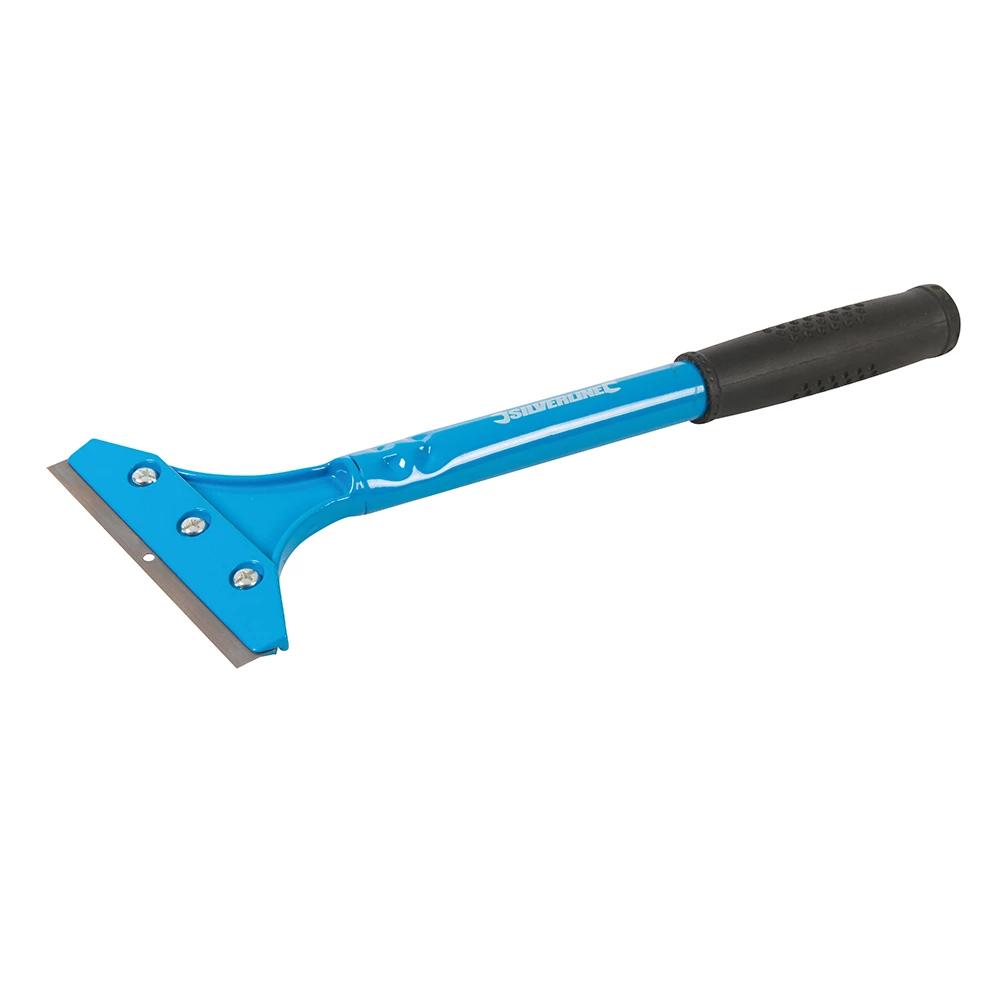
For a reliable, long-lasting epoxy primer finish, it’s essential to properly strip away any old paint, rust, or coatings from sheet metal. This guide explains practical methods and the best tools for the job.
Effective Tools and Methods
Begin by using a heavy duty scraper to remove loose paint, flaking coatings or rust. Scrapers with sharp, durable blades and comfortable grips allow for controlled, efficient stripping across metal surfaces. For stubborn or thick layers, a dedicated heat gun can gently heat and loosen the old coating, making the removal process far more manageable. Always work carefully to avoid damaging the metal beneath.
Finishing the Surface
Once most of the old coating is lifted, inspect the surface for any remaining residues. Sand the sheet metal lightly, focusing on any uneven areas or persistent spots, to ensure a smooth, clean finish. Removing fine dust and grease is crucial for epoxy adhesion—wipe down with a suitable degreaser or solvent after sanding.
When Surface Filling is Needed
If the underlying sheet metal has dents or deep scratches, consider using a two-component fibreglass putty—such as CROP 2K Fiberglass Putty—to level the area before priming. This helps build a strong, smooth foundation that is ready for final prep and epoxy application.
Related products
Related guides
Preparing sheet metal by thoroughly removing old coatings sets the stage for a quality epoxy primer finish. For further detailed steps and more advice, explore the full guide on preparing sheet metal for epoxy primer.