 Free shipping on orders over £29,85
  Shipping Tracking!


 Google
 Facebook
← Back to How do you prepare rosin resin?
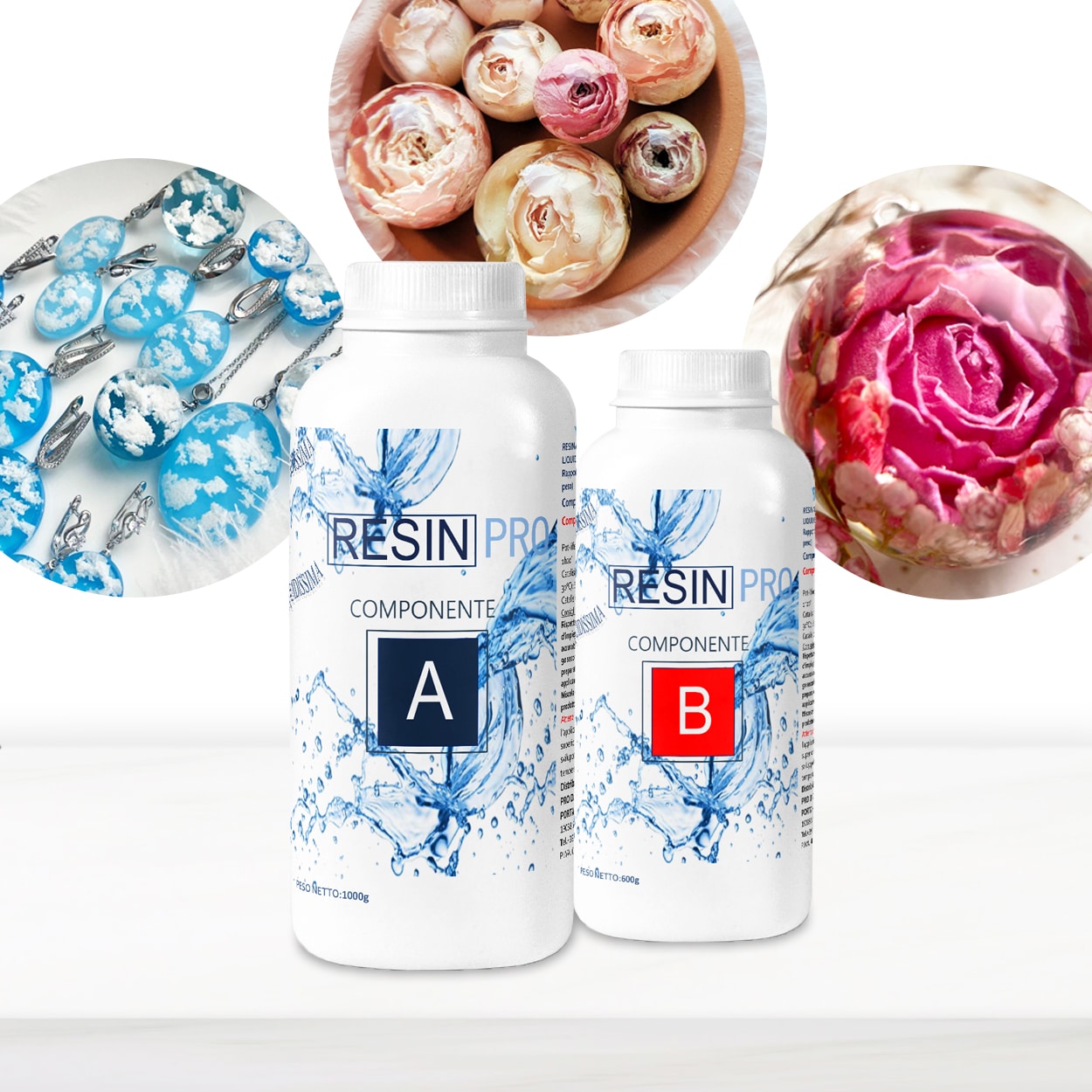
Air bubbles are a common challenge when working with rosin resin, potentially marring the clarity and finish of your creations. Fortunately, there are simple methods to eliminate them and achieve a smooth, professional result.
Why Bubbles Form in Resin and How to Prevent Them
Bubbles can be introduced into resin during mixing, pouring, or due to trapped air pockets in detailed moulds. To help prevent them, mix slowly and pour from a low height, allowing the resin to flow gently into the mould without agitating the mixture. Make sure your workspace is dust-free and at room temperature to minimise air entrapment.
Effective Techniques for Bubble Removal
- Isopropyl Alcohol Spray: A light mist of isopropyl alcohol over the resin’s surface encourages bubbles to rise and pop, leaving a much clearer finish. Products such as Pure Isopropyl Alcohol 99.9% are ideal for this step.
- Heat Gun: Gently waving a heat gun on its lowest setting above the resin will coax bubbles to the surface without scorching or overheating the material. Avoid holding the heat gun too close to avoid damaging the resin or mould.
Repeat these steps a few minutes after pouring and once more if needed, as bubbles may reappear during the initial curing process.
When Removing Bubbles Matters Most
Bubble removal is especially important for clear or highly detailed jewellery pieces, as imperfections are more visible. Using a resin formulated for minimal bubbles, like Liquidissima Epoxy Resin, will help achieve the pristine results artists desire for professional-quality craft or jewellery items.
Related products
Related guides
Mastering bubble removal ensures your rosin resin projects look their best. For more tips on preparing and working with resin, visit our main guide on how to prepare rosin resin.