 Free shipping on orders over £29,85
  Shipping Tracking!


 Google
 Facebook
← Back to How do you make resin cement?
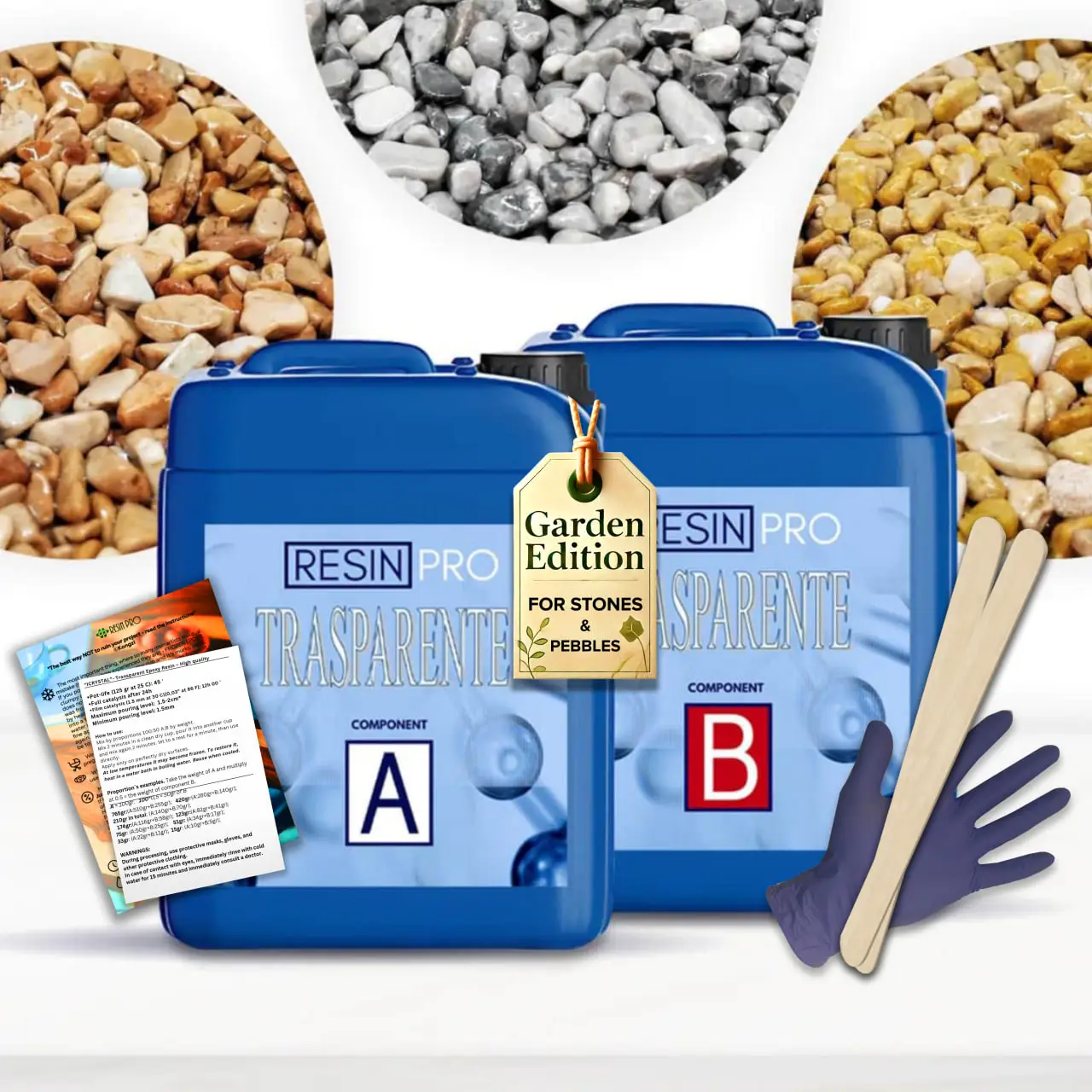
Allowing a resin-bound surface to cure completely is crucial for a long-lasting, durable finish. During the curing process, it’s essential that the area remains untouched for at least 24 hours to ensure optimal strength and performance.
The Science Behind Curing Times
Resin-bound systems rely on a precise chemical reaction between resin and aggregate to achieve their characteristics – strength, durability, and a smooth finish. This reaction needs uninterrupted time to develop properly. Disturbing the surface during the initial 24 hours can lead to irregularities, weak spots, or even surface failure, especially in high-traffic areas like driveways and pathways.
Best Practices for a Trouble-Free Cure
- Keep the area cordoned off: Use clear signage and barriers to prevent foot or vehicle traffic.
- Avoid water contact: Protect the surface from rain or hosepipes during the curing window, as moisture can interfere with the setting process.
- Maintain ideal conditions: Curing is most effective in moderate temperatures (avoid extremes), and humid or cold weather may extend curing times.
For those seeking an easy-to-use solution, products like the “Trasparente” – Epoxy Binder for Coloured Pebbles and Grits are engineered for reliability, but only when given sufficient undisturbed curing time.
When Curing Time Really Matters
A full 24-hour curing window is vital for installations exposed to loads or changing weather. This helps ensure the resin bond reaches its designed strength, whether you’re surfacing a driveway, patio, or decorative garden path. Rushing the process can compromise the appearance and permeability of the finished floor.
Related products
Related guides
Observing the correct curing time safeguards both the appearance and longevity of your resin-bound surface. For more on preparing and installing resin cement properly, return to our main guide on how to make resin cement.