 Free shipping on orders over £29,85
  Shipping Tracking!


 Google
 Facebook
← Back to When does Yaoo resin cross-link?
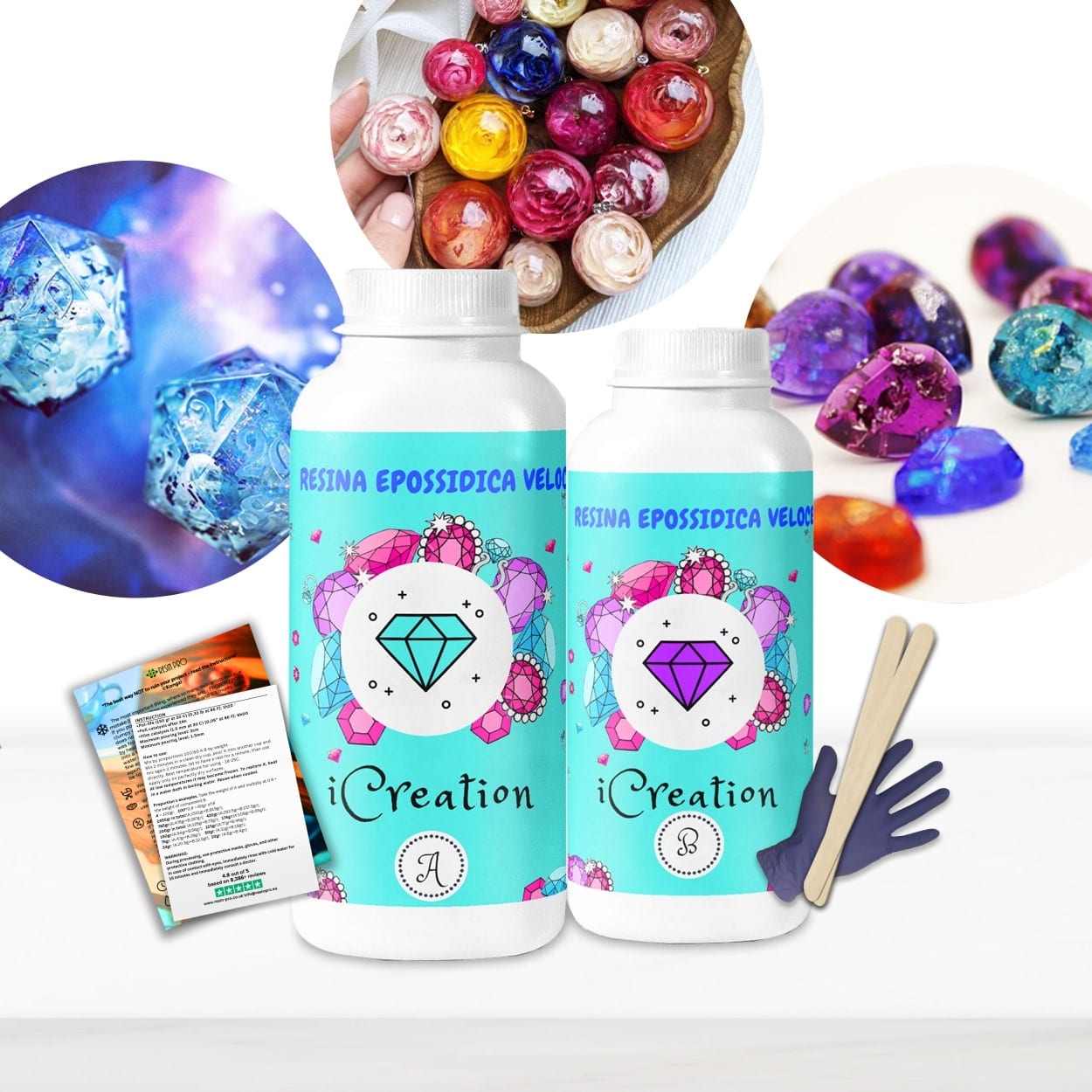

Temperature plays a vital role in how resins cure. Whether you’re working with epoxy or UV resin, understanding the influence of ambient conditions can help you achieve stronger, clearer results.
How Temperature Impacts Resin Curing
Warmer temperatures generally speed up the chemical cross-linking process that transforms liquid resin into a hard, durable finish. This is why resins like ICreation Fast Epoxy Resin can demould in as little as 6 hours at typical room temperatures. In contrast, lower temperatures may slow or halt the reaction, leading to longer curing times or incomplete hardening. It’s best to pour and cure resin in a temperature-controlled environment for reliable results.


Guidance for Different Resin Types
- Epoxy Resins: These benefit from stable, warm conditions—usually around 20–25°C. If it’s colder, curing may slow down considerably or stop until conditions improve. For faster projects, a quick-setting formula like “ICreation” is useful.
- UV Resins: Temperature influences the base properties, but these require a UV lamp for full cure. High ambient temperatures won’t replace the need for UV exposure but can help reduce any residual tackiness.
- Care Tips: Avoid extreme heat or cold. Ensure good ventilation and follow the manufacturer’s mixing ratios closely for best outcomes.
When This Matters Most
Temperature sensitivity becomes critical for time-sensitive projects, larger pours, or when working in fluctuating conditions such as garages or sheds in winter. Proper planning helps avoid incomplete curing or surface issues.

Related products
Related guides
By keeping temperature in mind, you’ll set the foundation for successful resin projects every time. Explore more about resin cross-linking and curing best practices on our main FAQ: When does Yaoo resin cross-link?